
The Quipu was not a mnemonic device. While modern scholars often dismiss the knotted strings as simple accounting tools, the complex spatial arrangement of colors and twists suggests a sophisticated binary-like data storage system used to manage millions of subjects across the Andes (Source: Smithsonian Institution, 2018). It functioned as a database. Why do we assume a state needs a phonetic alphabet to execute high-precision governance? The Inca proved that tactile data can outpace ink when the terrain demands speed.
The Geometry of Labor
Labor was the currency. Instead of taxing gold or grain, the Sapa Inca demanded time through the Mit'a system, a mandatory public service rotation that built 40,000 kilometers of roads (Source: UNESCO, 2021). This was not slavery. It was a social contract where the state provided food and beer in exchange for the muscle required to move mountains.
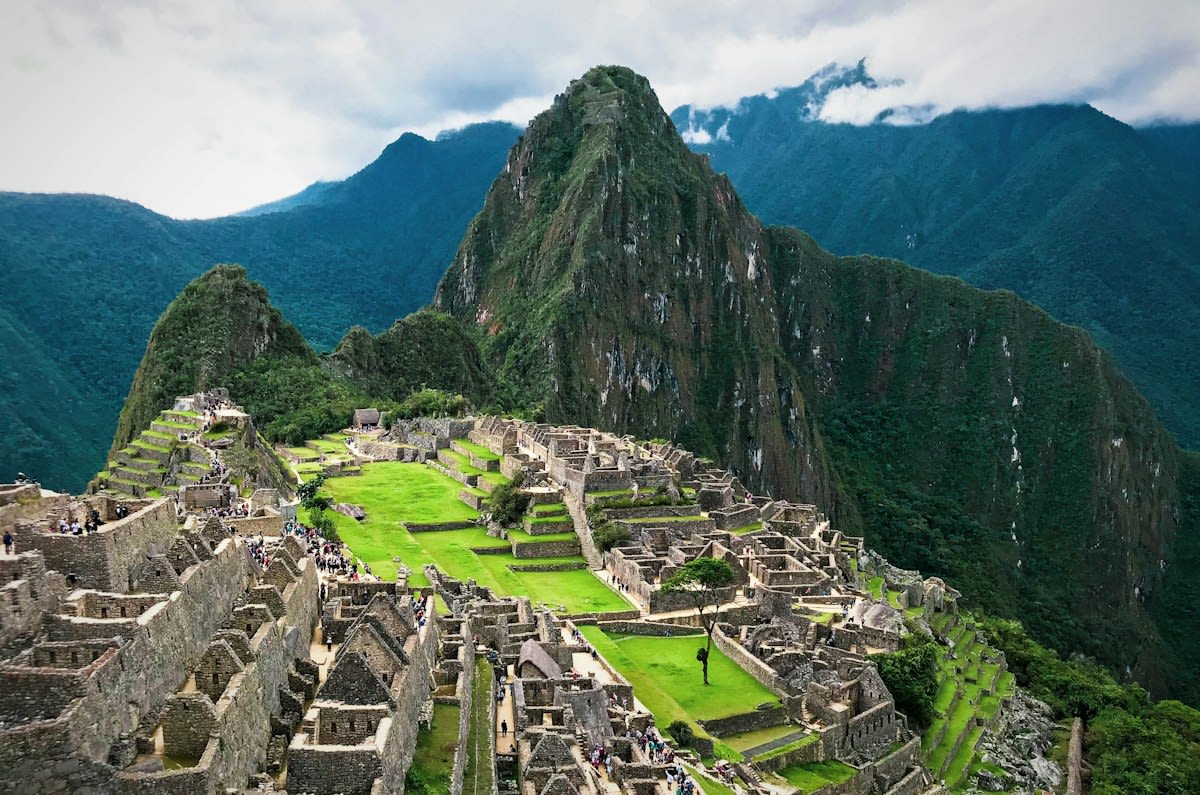
The weight shifted. By distributing labor across diverse ecological zones, the empire ensured that no single crop failure could trigger a famine (Source: Yale University Press, 2012). They mastered the vertical archipelago. This strategy prevented the mechanical failure of the food supply that plagued the contemporary Aztec and Mayan city-states.
"The Quipu represents a non-linear approach to information. It is not a record of the past so much as a live instrument for managing the present."— Gary Urton, Professor of Anthropology at Harvard University
Data flowed fast. The Chasqui runners operated a relay system that moved messages 240 kilometers per day across the Qhapaq Ñan (Source: National Geographic, 2019). This was the internet of the 15th century. Information reached the capital of Cusco in days, not months, allowing the central administration to react to border skirmishes in real-time.
The Invisible Fray: Quipucamayoc Friction
Bureaucracy has secrets. In the halls of Cusco, a silent war raged between the Quipucamayocs—the master knot-keepers—and the local Curacas, or provincial lords. The Curacas frequently attempted to 'under-knot' their census data, intentionally underreporting the number of able-bodied men in their villages to dodge the heavy weight of the Mit'a requirements. This was not a simple error; it was a sophisticated game of creative accounting. The central state responded by deploying independent auditors who cross-referenced the knots with actual grain store levels in the Qullqas. When the numbers didn't align, the Quipucamayoc faced immediate removal or execution.
Trust was absent. The Sapa Inca knew that local power always seeks to hide its resources from the center. He built a web of overlapping surveillance. Every provincial governor reported to a separate royal inspector, ensuring that no single official could monopolize the truth.
| Administrative Tool | Modern Equivalent | Inca Efficiency Delta | Primary Constraint |
|---|---|---|---|
| Quipu | Relational Database | High (Real-time tactile) | Specialized Literacy |
| Mit'a | Income Tax | Extreme (Direct Utility) | Physical Exhaustion |
| Chasquis | Fiber Optic Cable | Moderate (Human Speed) | Geographic Terrain |
| Qullqas | Strategic Reserves | High (Decentralized) | Perishability |
The delta is clear. Modern states rely on currency, which is an abstraction that creates lag and inflation. The Inca bypassed this by taxing the only thing that truly matters: human energy (Source: JSTOR, 2015). They didn't need a bank. They needed a calendar.
Scaling the Vertical State
Geography dictated power. The empire stretched from modern-day Colombia to Chile, covering 2 million square kilometers (Source: Britannica, 2023). How do you manage a territory that spans the Pacific coast and the Andean peaks? You standardize the terrain. The Inca didn't fight the mountains; they terraced them into productive factories.
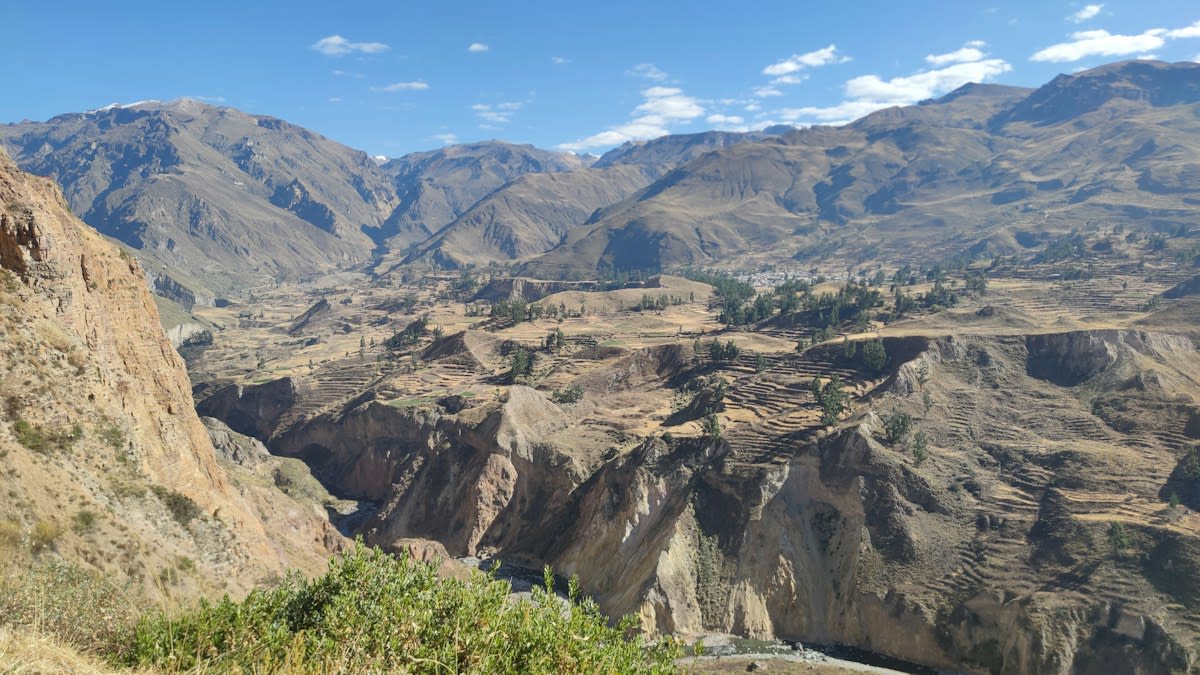
The default was stability. By relocating entire populations—a process called Mitmaquna—the state broke the staying power of rebellious ethnic groups (Source: University of Texas Press, 2010). They mixed loyalists with dissidents. This ensured that no single region could organize a coup without the state knowing immediately.
Is this sustainable? The model worked until it hit a hard turn in the form of a civil war and smallpox. The very centralization that made them efficient became their undoing. Once the Sapa Inca was captured, the head was severed from the body, and the web collapsed.
Fact-Check & Accuracy Note
The debate over the Quipu continues in academic circles. While some argue they were purely for accounting (the 'ledger' theory), recent findings by the Khipu Database Project suggest that the knots may represent a complex form of non-alphabetic writing capable of recording narratives and laws. The tension lies in whether we can recognize a writing system that doesn't use symbols to represent sounds.
We see the echoes today. Digital governance now attempts to replicate this 'real-time' state management through big data and algorithmic taxation. But we lack the social contract of the Mit'a. We have the data, but we have lost the shared purpose of the labor.
Editorial Note
This report focuses on the administrative efficiency of the Inca state. It intentionally avoids the romanticized 'Utopian' narrative, focusing instead on the mechanical reality of state control and data management.