
Salt is life. In the scorching depths of the Sahara, where the absence of sodium leads to rapid physical collapse, a single slab of rock salt possesses more utility than a handful of precious gems (Source: UNESCO General History of Africa, 1981). Biology dictates the market. Value is relative. While the miners of Taghaza lived in houses made of salt and viewed the mineral as a common nuisance, the kings of the Ghana Empire traded their gold weight-for-weight to secure these essential blocks (Source: The Golden Trade of the Sahara, 1974). Scarcity drives the price.
Prerequisites for Salt Monetization
Control requires assets. You cannot build a currency on a mineral you do not physically possess or can easily seize from weaker neighbors. Logistics define the reach. To turn salt into power, you must first secure the evaporite deposits of the central Sahara and the camel corridors that connect the desert to the savannah (Source: The Golden Trade of the Sahara, 1974). The terrain is hostile.
- Direct ownership or tributary rights to the Taghaza or Taoudenni salt mines.
- A standing army capable of protecting the Azalai (salt caravans) from Tuareg raids.
- Diplomatic treaties with the Berber nomads who provide the camel transport.
- Controlled access to the gold-producing regions of Bambuk or Bure to facilitate the exchange.
The Conversion Process
Extraction is basic. The salt is hewn from the earth in massive rectangular slabs that are then loaded onto camels for the long journey south (Source: UNESCO General History of Africa, 1981). Weight is everything. Because the salt loses mass through sublimation and wind erosion during the journey, the imperial accountant must calculate the loss before the slabs reach the market. Precision prevents loss.
- Secure the Mine: Establish a permanent garrison at the salt pans to ensure a steady flow of raw mineral output.
- Standardize the Slab: Enforce a uniform size for salt blocks to create a predictable unit of account for traders.
- Establish the Corridor: Map the most reliable wells and oases to reduce camel mortality rates during the transit.
- Implement the Trade: Exchange the salt for gold or ivory at the forest edge, ensuring the empire takes a cut of every transaction.
- Back the Currency: Use the stored salt reserves to stabilize the local economy during periods of drought or supply shortage.
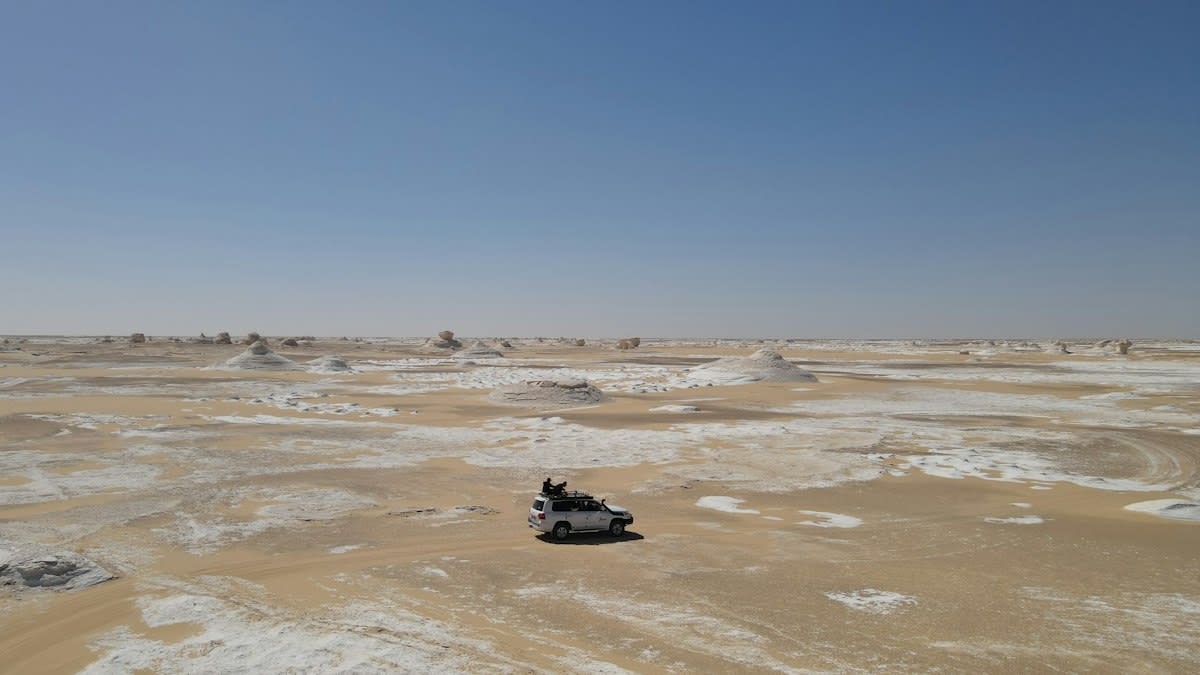
Pricing is fluid. The value of salt increases exponentially as the caravan moves from the arid desert into the humid savannah where salt is naturally scarce (Source: The Golden Trade of the Sahara, 1974). Demand creates wealth. When the imperial center controls the flow of these blocks, they effectively tax the very survival of their subjects. Power is biological.
"The control of the salt mines was not merely an economic advantage; it was the strategic cornerstone that allowed the Mali Empire to project power over vast, disparate territories."— Dr. Nehemia Levtzion, Historian of West African Empires
Internal disputes occur. Only a practitioner knows the fray that erupts between the caravan leaders and the imperial tax collectors over salt-weight shrinkage. The collectors demand the full weight of the original slab, while the traders argue that the desert wind stole the mass during the crossing (Source: UNESCO General History of Africa, 1981). This is a mechanical failure. These arguments often lead to delayed payments and localized riots in the market hubs of Timbuktu. Trust is fragile.
| Region | Salt Value | Primary Exchange Asset |
|---|---|---|
| Taghaza (Mines) | Negligible | Basic Grains |
| Timbuktu (Hub) | Moderate | Textiles/Gold |
| Savannah/Forest | Extreme | Pure Gold |
Trade is a web. Every node in the network depends on the reliable arrival of the salt caravans to maintain social order and physical health (Source: UNESCO General History of Africa, 1981). Stability requires salt. If the supply chain breaks, the imperial center loses its leverage over the peripheral gold mines. The web can tear.
Fact-Check & Accuracy Note
Historians debate the existence of 'silent trade,' where salt and gold were exchanged without verbal communication to protect the location of the mines. While popular in early accounts, modern scholarship suggests this was likely a stylized narrative rather than a standard trade practice (Source: The Golden Trade of the Sahara, 1974).
Common Pitfalls
Over-supply kills value. If a new salt deposit is discovered and opened without imperial oversight, the market will saturate and the currency will crash (Source: UNESCO General History of Africa, 1981). Volume ruins scarcity. A sudden influx of salt reduces its exchange rate against gold, stripping the empire of its purchasing power. Control the volume.
Route shifts are fatal. When the Tuareg nomads change their protection fees or shift the oasis paths, the cost of transport can exceed the value of the salt. This is a hard turn. The empire must either renegotiate the terms of the fray or face a total collapse of the trade web. Adaptation is mandatory.
Gold shocks happen. If a new gold field is discovered in the forest zones, the relative value of salt may drop as the abundance of gold makes it easier to acquire. This follows the classic playbook of currency devaluation. The empire must then find new luxury goods to maintain the weight of its trade. Diversify the assets.
Power is fleeting. The transition from salt-based power to gold-based power requires a change in how the state manages its reserves (Source: The Golden Trade of the Sahara, 1974). Salt provides the staying power. Without the biological hook, the empire is just another city-state in the sand. Hold the salt.