'India sitting on economic disaster': Rahul flags jobs, education crisis during US visit
Source Entity
ABHISHEK MISHRA
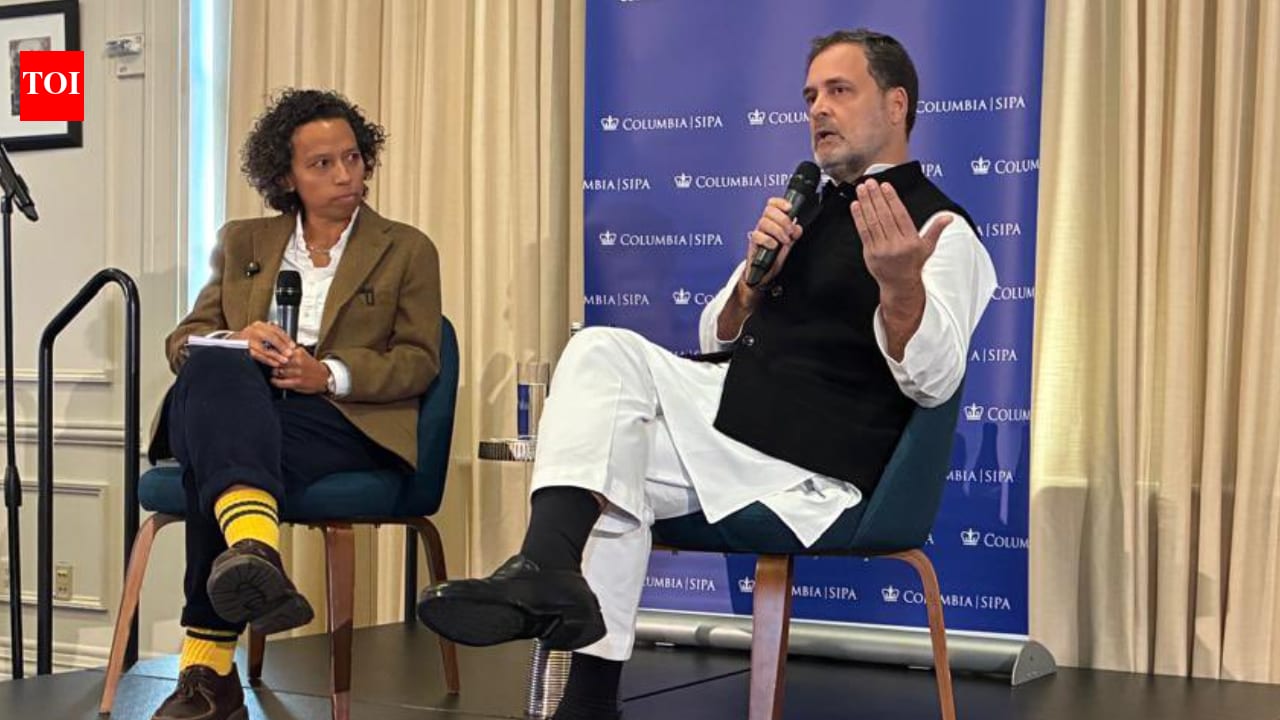
Rahul Gandhi, during a visit to Columbia University, criticized India's economic model, citing unemployment and systemic failures. The JD(U) has strongly countered these claims, asserting that official economic data refutes his narrative.
The Clash Over India's Economic Trajectory
The recent remarks made by Leader of the Opposition Rahul Gandhi at Columbia University in New York have ignited a sharp political debate regarding the state of the Indian economy. During a fireside chat on November 17, 2026, Gandhi characterized the nation as sitting on an "economic disaster," pointing to systemic issues such as massive unemployment, a struggling manufacturing base, and structural flaws in the education system. This critique represents a fundamental challenge to the current government's economic narrative, positioning the Opposition as a critic of the last decade's policy direction.
The Opposition’s Perspective: Structural Concerns
Rahul Gandhi’s arguments centered on the belief that India’s economic model has failed to deliver results over the past ten years. He explicitly targeted flagship government initiatives like 'Make in India' and 'Start-up India,' arguing that these programs have failed to revitalize the country's economic backbone. His focus on small and medium businesses, alongside the agricultural sector, highlights a belief that these segments are the primary drivers of job creation—a role he claims they are currently failing to fulfill due to a "broken" manufacturing landscape.
The Government’s Counter-Narrative
In response, the Janata Dal (United) (JD(U)), a key political entity, issued a strong rebuttal through spokesperson Rajeev Ranjan Prasad. The JD(U) accused Gandhi of attempting to tarnish India’s international image by projecting a negative narrative abroad. The party countered Gandhi’s "economic disaster" claims by citing macro-economic indicators, specifically noting that India’s current growth rate is more than double the global average. This response suggests that the ruling coalition intends to rely on statistical performance to insulate their policies from criticism.
The Youth and the Education Crisis
Beyond pure economic data, Gandhi highlighted a social dimension to the economic crisis: the frustration of the Indian youth. He noted an increasing disconnect between the younger generation and their parents regarding career prospects, suggesting that the lack of future opportunities is creating a volatile environment. This focus on the "education system" implies that the Opposition intends to frame the economic debate not just around GDP numbers, but around the accessibility and relevance of job-ready skills for the next generation.
Broader Implications and Future Trends
This confrontation underscores a widening ideological gap in how India’s development is measured. While the current administration emphasizes high-level growth rates and global positioning, the Opposition is pivoting toward issues of employment quality and the health of the informal and manufacturing sectors. As India continues to navigate its post-pandemic economic recovery, this debate is likely to intensify, with both sides utilizing international platforms to influence domestic public opinion and investor sentiment.
Conclusion
The discourse at Columbia University serves as a microcosm of the larger political battleground in India. By bringing these concerns to an international academic forum, Rahul Gandhi has challenged the government to defend the efficacy of its economic policies against the lived reality of unemployment. Conversely, the JD(U)’s swift reaction demonstrates the political sensitivity surrounding India's global reputation. The coming months will likely see further friction as both sides attempt to define the "reality" of the Indian economy through conflicting data and narratives.
Multiple Citing Sources