Krishna Janmabhoomi back in focus: Why BJP has revived Mathura temple pitch
Source Entity
Maulshree Seth
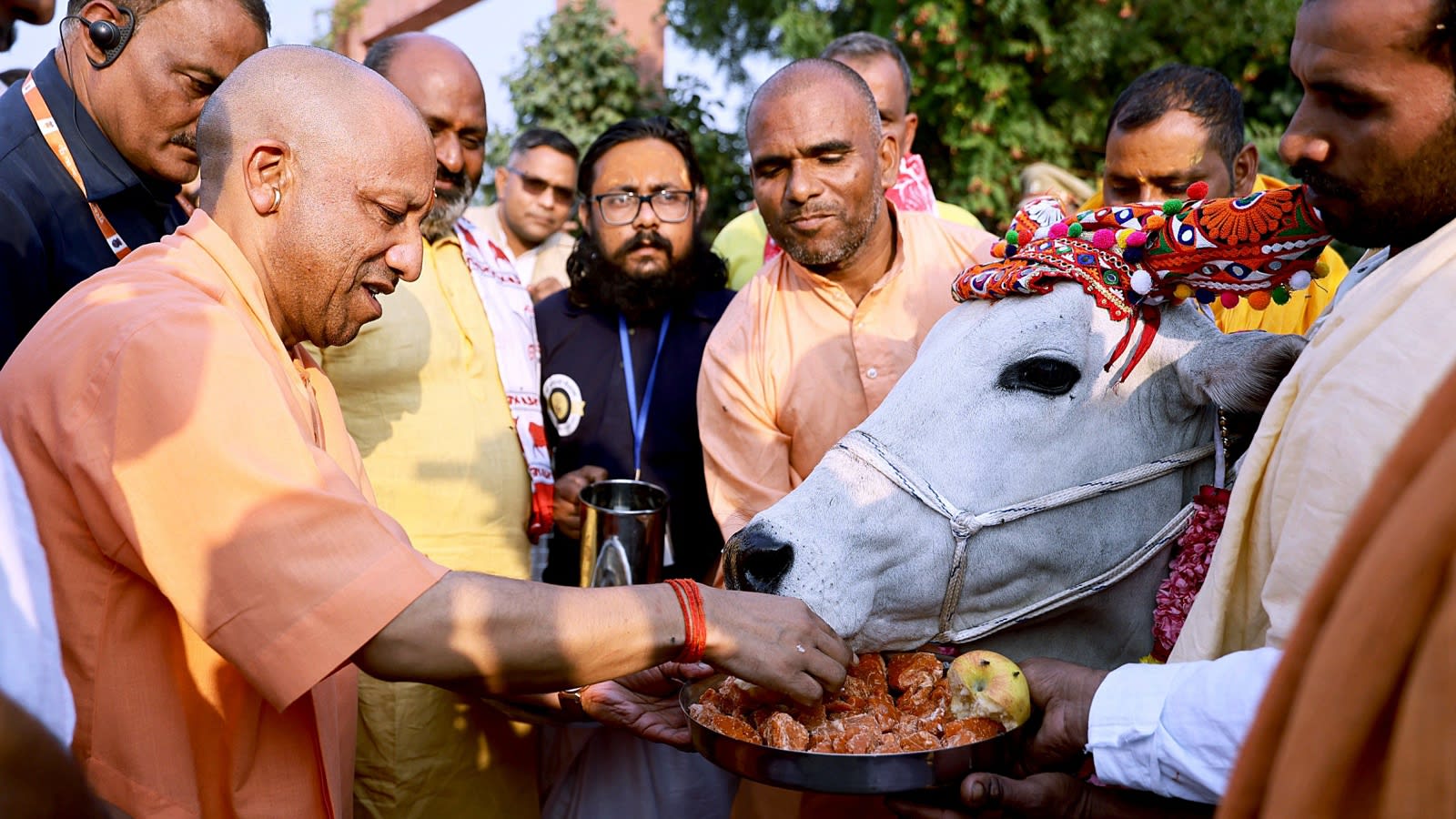
The BJP has launched its strategy for the 2027 Uttar Pradesh Assembly elections, focusing on law and order, welfare outreach, and a renewed Hindutva agenda. The campaign will feature a strong stance on the Krishna Janmabhoomi issue alongside direct political attacks on SP leader Akhilesh Yadav.
BJP Strategizes for 2027 UP Assembly Elections
The Bharatiya Janata Party (BJP) has formally initiated its roadmap for the 2027 Uttar Pradesh Assembly elections, holding a high-level two-day brainstorming session in Mathura. By gathering 54 key functionaries, the party aims to synchronize its organizational machinery to maintain its dominance in India's most populous state. This meeting marks the beginning of a long-term electoral preparation process, which includes a focus on updating electoral rolls through the Special Intensive Revision (SIR) to ensure no eligible voter is excluded.
Core Pillars: Governance and Outreach
At the heart of the BJP’s electoral platform are three primary pillars: law and order, women’s safety, and the extensive outreach to 'labharthis'—beneficiaries of various state and central welfare schemes. By centering the campaign on these themes, the party seeks to reinforce its narrative of providing a secure and stable governance environment. This strategy is designed to appeal to a broad demographic, emphasizing the tangible benefits of government welfare to consolidate the party's voter base.
The Aggressive Political Offensive
Beyond governance, the BJP is preparing for an aggressive political confrontation with the Samajwadi Party (SP). Internal discussions have signaled a shift toward labeling SP president Akhilesh Yadav as an "anti-Hindu" leader and a "protector of gundas" (criminals). This narrative aims to frame the upcoming election as a binary choice between the BJP’s law-and-order governance and the alleged mismanagement of the opposition.
The Return of the Hindutva Plank
Choosing Mathura as the venue for these strategy sessions holds deep symbolic significance, signaling that Hindutva remains a foundational element of the party's platform. Deputy Chief Minister Keshav Prasad Maurya has explicitly invoked the sentiment of the Krishna Janmabhoomi issue, stating, "Ayodhya hui hamari hai, ab Mathura ki baari hai." This rhetoric ties the upcoming election to the broader ideological goals of the party, suggesting that the construction of a temple at the Shri Krishna Janmabhoomi-Shahi Eidgah site will be pursued via judicial or dialogue-based paths.
Historical Context and Future Trends
By drawing parallels to the Ayodhya Ram Temple movement, the BJP is attempting to leverage the emotional and religious resonance associated with the Krishna Janmasthal. This approach reflects a historical trend where the party utilizes culturally significant locations to mobilize its core electorate. As the campaign progresses, the party is expected to balance this ideological fervor with the practical, development-oriented appeal of welfare distribution to maximize its electoral reach.
Conclusion
As the BJP prepares to mobilize its cadre under the guidance of party national president Nitin Nabin, the dual strategy of welfare-based outreach and ideological positioning is set to define the 2027 political landscape in Uttar Pradesh. By addressing the concerns of party workers and sharpening its critique of the opposition, the ruling party is positioning itself for a high-stakes campaign that seeks to blend governance records with core cultural narratives.