Lost a ‘good’ CM due to Patidar agitation, says Hardik Patel’s ex-aide
Source Entity
Parimal A Dabhi
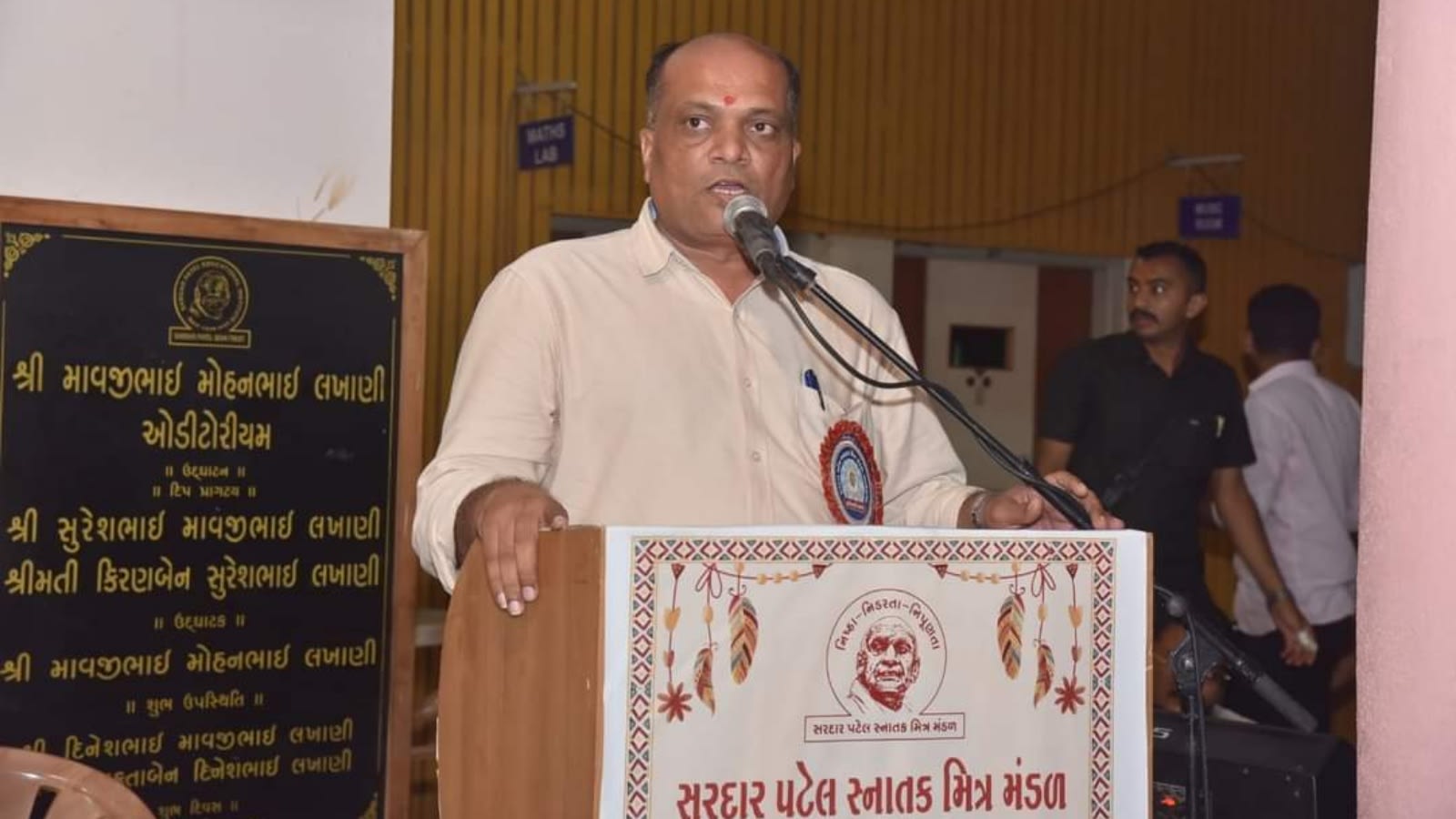
Former PAAS leader Dinesh Bambhaniya has expressed regret over the 2015 Patidar agitation, stating it unfairly led to the removal of Anandiben Patel as Gujarat's Chief Minister. The remarks, made in the presence of Anar Patel, signal a shifting political narrative regarding the movement's legacy.
The Legacy of the Patidar Agitation: A Reappraisal
Eleven years after the inception of the Patidar quota agitation, a significant political reassessment has emerged from within the movement's own ranks. Dinesh Bambhaniya, a former close aide to Hardik Patel and a key figure in the Patidar Anamat Andolan Samiti (PAAS), recently sparked a public discourse by expressing regret over the movement's role in the political displacement of former Gujarat Chief Minister Anandiben Patel. This statement, delivered at a public function in Rajkot’s Jasdan, marks a notable pivot in how the 2015 protests are being framed by their former architects.
The Context of the 2015 Uprising
The 2015 Patidar agitation was a watershed moment in Gujarat’s contemporary political history. Driven by demands for Other Backward Class (OBC) status for the influential Patidar community, the movement mobilized thousands and fundamentally altered the state’s political landscape. Bambhaniya’s admission that the agitation served as a pretext for the removal of Anandiben Patel—who currently serves as the Governor of Uttar Pradesh—highlights the intersection of social movements and internal party dynamics. It suggests that the pressure exerted by the PAAS was not merely a push for reservation, but a catalyst for significant leadership changes within the ruling establishment.
Shifting Perspectives and Political Reconciliation
The significance of these comments is amplified by the setting in which they were made. Speaking in the presence of Anar Patel, the daughter of the former Chief Minister, Bambhaniya’s words suggest an attempt at political reconciliation or at least a softening of historical tensions. Anar Patel’s response, noting that her mother holds no grudge against the agitators, further underscores a narrative shift toward closure. The virtual participation of current Chief Minister Bhupendra Patel in the same event suggests that the administration is eager to move past the confrontational politics of the previous decade.
Broader Implications for Gujarat Politics
This reappraisal by a primary agitator indicates that the political maturity of the movement has evolved. For years, the Patidar quota agitation was viewed primarily through the lens of protest and confrontation. By acknowledging that the movement may have unfairly targeted a 'good' Chief Minister, figures like Bambhaniya are effectively de-escalating the long-standing friction between the Patidar community and the state leadership. This could pave the way for more collaborative governance models where community demands are addressed through dialogue rather than mass mobilization.
Looking Toward the Future
The long-term impact of this admission will likely be a reduction in the adversarial rhetoric that defined Gujarat’s political discourse for nearly a decade. As the state moves forward, the legacy of the Patidar agitation will likely be viewed less as a singular event of rebellion and more as a complex period of transition. The willingness of key players to revisit these events with nuance suggests that the political environment in Gujarat is entering a phase of consolidation, where historical grievances are being set aside in favor of stability and collective progress.
Conclusion
In summary, the recent remarks by Dinesh Bambhaniya represent a critical turning point in the post-mortem of the 2015 Patidar agitation. By reframing the departure of Anandiben Patel as an unintended consequence of the movement, the former PAAS leader has opened a door for a more balanced historical understanding. This shift not only honors the dignity of the former leadership but also signals a maturing political landscape in Gujarat, characterized by a move away from the populist agitation of the past toward a more conciliatory future.