
Salt drove ancient empires. 18th-century slavers viewed people as currency (Source: Britannica, 2026). Such valuation meant that human lives were measured against minerals and metals. Desire for salt was not merely culinary but a matter of survival and state power. Such raw economic drivers created a world where the value of a person could be traded for a block of silica-dry mineral.
Statecraft and the Mauryan Monopoly
Kautilya, the strategist behind the Arthashastra, documented the use of various salts in the Mauryan Empire (Source: The Daily Star, 2026). He identified sea salt, black salt, rock salt, and mineral salts as essential tools for statecraft. By controlling these flavoring agents, the state could manage the diet and loyalty of its population. Control over basic minerals allowed the empire to build a foundation of power through the regulation of essential goods. Such a system ensured that the monarchy remained the primary arbiter of resource distribution.
| Salt Variety | Context of Use | Source |
|---|---|---|
| Sea Salt | Mauryan Statecraft | The Daily Star, 2026 |
| Black Salt | Mauryan Statecraft | The Daily Star, 2026 |
| Rock Salt | Mauryan Statecraft | The Daily Star, 2026 |
| Mineral Salt | Mauryan Statecraft | The Daily Star, 2026 |
Intricate systems of taxation and cultivation were established to maintain these reserves. Kautilya recognized that salt was not just a food additive but a strategic asset. When a state controls the salt, it controls the health and stability of its workforce. This level of oversight prevented internal dissent by making the population dependent on the central authority for basic biological needs.

Roman soldiers received allowances in salt, a practice that created the lasting phrase a man worth his salt (Source: The Daily Star, 2026). Such a system turned a mineral into a form of payroll, ensuring that the military remained tied to the state resource supply. Later years saw this commodity-based payment continue in other forms, such as London dockworkers being paid in cloves (Source: The Daily Star, 2026). These examples show a world where currency was not a piece of paper but a tangible, consumable good.
Commodity payments created a direct link between labor and survival. If a soldier or worker was paid in salt or cloves, their wealth was literally something they could eat or trade for food. This removed the abstraction of money and replaced it with the raw reality of resource scarcity. The state did not just pay its employees; it fed them through their wages.
The Human Cost of Mineral Wealth
West African kingdoms operated on a different, more brutal scale of value. People were the primary resource, and the number of slaves often served as the unit of value for other goods (Source: Britannica, 2026). Salt was one of the most desired commodities exchanged for human beings. If more people were available, more salt could be exploited or traded, creating a vicious cycle of warfare to increase human power (Source: Britannica, 2026).
"The purpose of wars was thus to increase the power and wealth of a kingdom by increasing its human power and diminishing that of its rivals."— Britannica, 2026
Purpose of wars in these regions was to diminish rivals by stealing their human power (Source: Britannica, 2026). Wealth was not measured by territory but by the number of people a monarchy controlled. Such a system where the economic value of a person was firmly established and traded for minerals highlights a chilling aspect of history. Horror of this trade was driven by the scarcity of salt in certain regions and its high value in others, making human lives an acceptable price for mineral security.
Environment in these regions was often hostile to transport animals, which meant that trade depended heavily on human labor (Source: Britannica, 2026). This physical limitation increased the value of the people who carried the goods. Salt became a catalyst for conflict, as kingdoms fought not for land, but for the ability to trade people for the minerals they lacked. The economic logic was simple: more people meant more capacity to acquire salt.
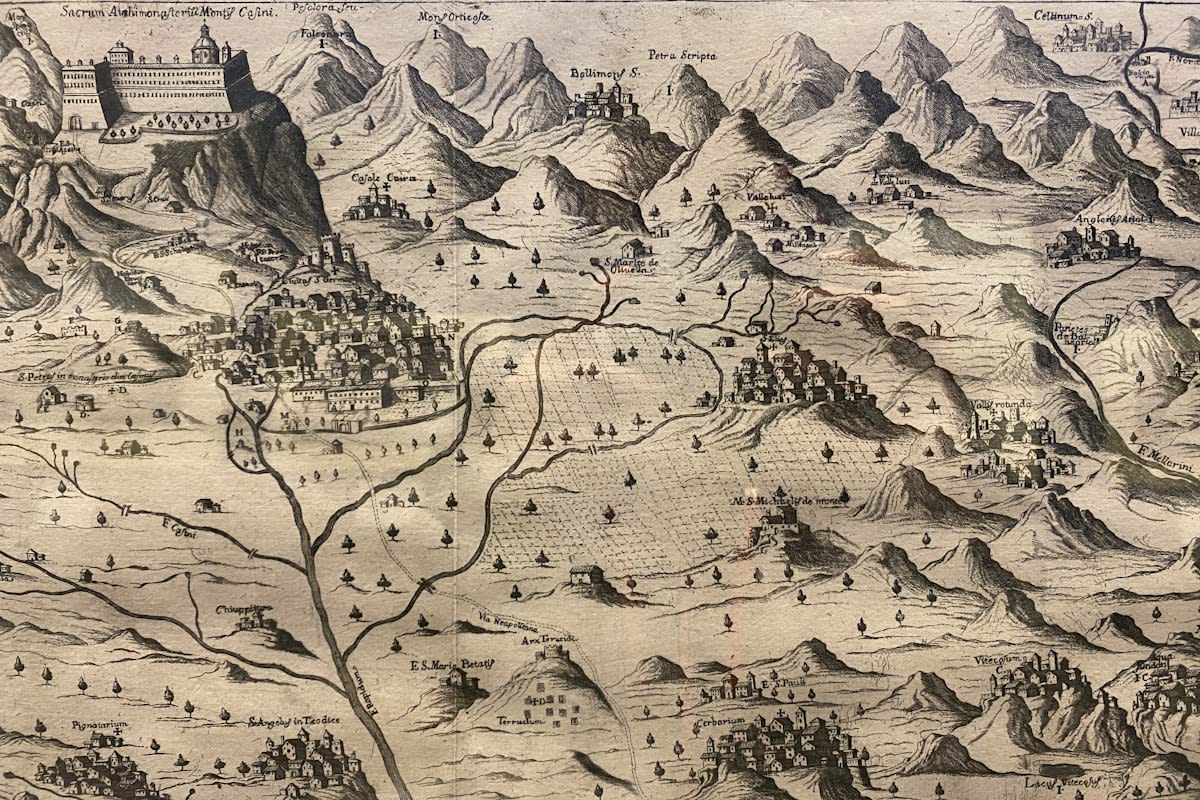
Obsession with salt and spices eventually pushed European powers toward the sea. Quest for pepper, cinnamon, cloves, and nutmeg led to the creation of vast trading networks (Source: The Daily Star, 2026). These networks were not born of curiosity but of a need to bypass the secrecy of kingdoms that guarded their spice origins. Such desperation for commodities fueled maritime exploration and the search for new sea routes.
Maritime exploration was a gamble driven by the high profit margins of salt and spices. European powers were willing to risk entire fleets to find a direct route to the sources of these goods. This era of discovery was an extension of the salt wars, moving the conflict from the interior of continents to the open ocean. The goal remained the same: total control over the supply chain of essential flavoring agents.
Reporting from the Makoko neighborhood in Lagos, the friction of commodity trade is still palpable. I have seen how local traders argue over the value of essential goods, mirroring the historical tension of the salt wars. Struggle is not for gold, but for the basic necessities that define survival. Local markets make the value of a good a negotiation of power and need, proving that the core drivers of the ancient salt trade still exist in modern informal economies.
Failure Point: The Collapse of Human Currency
Failure point of these systems occurred when international trade introduced commodities that seemed more valuable than people (Source: Britannica, 2026). Once the economic value of a person was eclipsed by newer, more liquid trade goods, the old systems of human-based currency began to crumble. Such transition revealed the instability of using human lives as a measure of wealth. The shift toward a more globalized, monetary economy rendered the salt-for-people exchange obsolete, though not before it had devastated entire populations.
Editorial Note
The transition from commodity-based wealth to international trade goods fundamentally altered how power was measured in West African kingdoms, moving away from a pure focus on human power (Source: Britannica, 2026).
Fact-Check & Accuracy Note
All data regarding the Mauryan Empire and Roman salt allowances are sourced from The Daily Star (2026). Data regarding West African slave trade and human valuation is sourced from Britannica (2026).