How the Cholas built a powerful maritime trade network across Asia
Source Entity
Nikita Mohta
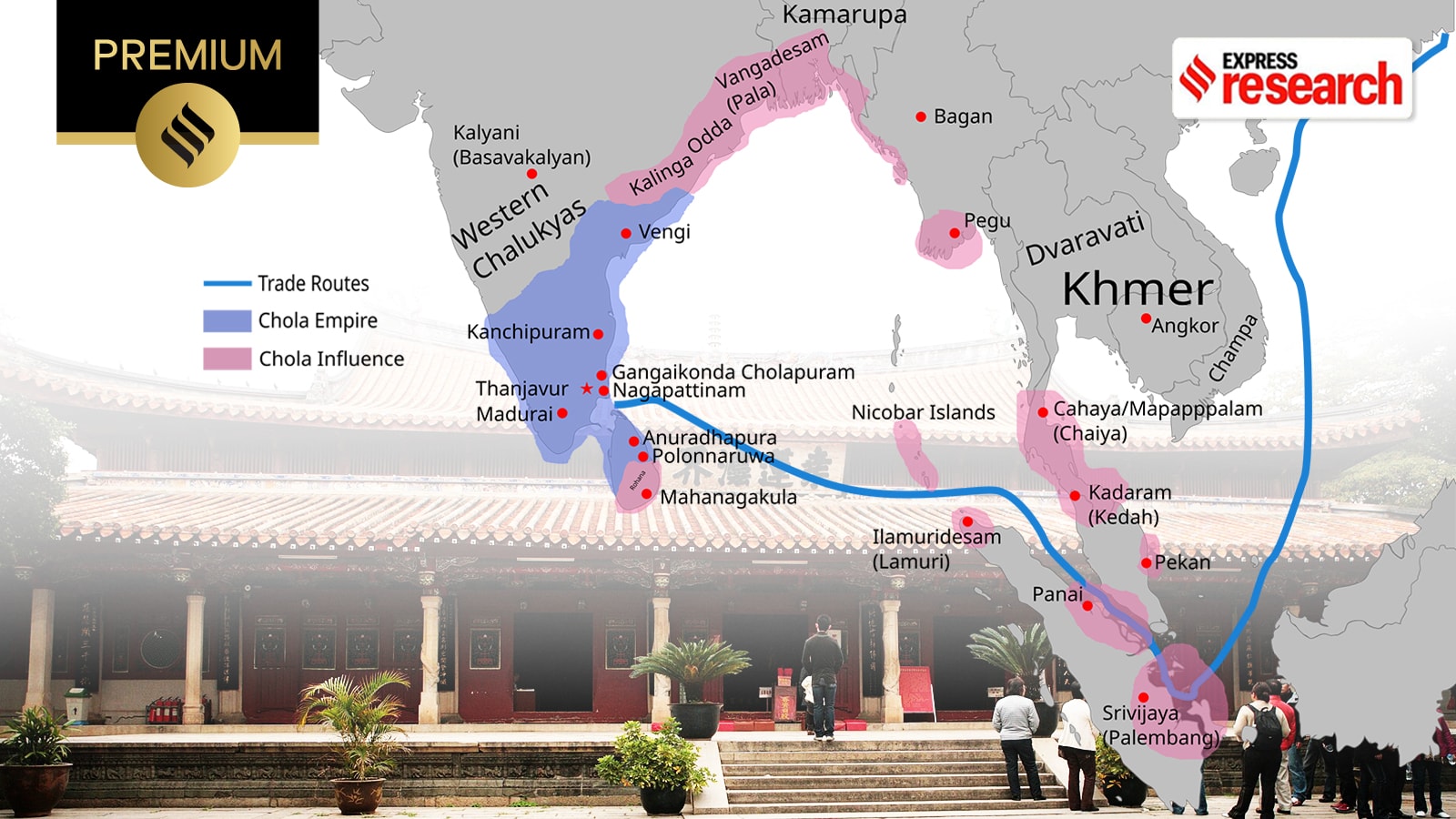
Recent archaeological excavations in Poompuhar, Tamil Nadu, have unearthed artifacts confirming the Chola dynasty's extensive maritime trade networks. Discoveries like a West Asian 'torpedo jar' highlight the historic connection between South India and the Mediterranean world.
Unearthing the Maritime Legacy of the Cholas
Recent archaeological investigations conducted over an 18-day period in Poompuhar, Tamil Nadu, have yielded significant physical evidence regarding the historical reach of the Chola dynasty. By uncovering a West Asian “torpedo jar,” four terracotta ring wells, and over 250 ceramic fragments, researchers have provided tangible proof of the sophisticated commercial infrastructure that once defined this coastal region. These findings serve as a critical bridge between modern archaeological inquiry and the ancient economic realities of South India.
The Significance of the Torpedo Jar
The discovery of the torpedo jar is particularly noteworthy for historians of trade. Historically utilized as specialized vessels for the maritime transport of liquid commodities—specifically wine and olive oil—these jars were hallmarks of trade routes connecting West Asia and the Mediterranean. Their presence in Poompuhar suggests that the Cholas were not merely regional players, but active participants in a vast, trans-oceanic supply chain that linked the Indian subcontinent to the broader Western world during the early centuries of the common era.
Infrastructure and Urban Planning
Beyond the individual artifacts, the identification of four terracotta ring wells speaks volumes about the urban sophistication of Poompuhar. These structures suggest a well-planned settlement capable of supporting a significant population of traders, sailors, and artisans. The presence of such infrastructure is indicative of a bustling port city that functioned as a vital hub for imports and exports, facilitating the exchange of goods between distant civilizations.
The Chola Dynasty: A Naval Powerhouse
The Chola dynasty, which maintained control over regions including Thanjavur and Tiruchirappalli, is renowned for its military and naval prowess. While the early Cholas established a foothold in trade between the first and fourth centuries CE, the later rise of the empire in the ninth century solidified their dominance over the Indian Ocean. The recent excavations reinforce the narrative that their territorial power was deeply rooted in their ability to secure and manage maritime trade routes.
Historical Context and Future Implications
By analyzing these ceramic fragments and structural remnants, researchers can better map the evolution of the Chola economy. These findings suggest that the empire's wealth was not solely derived from agrarian taxes but was significantly bolstered by international commerce. Future excavations in the Poompuhar region will likely continue to clarify the extent of this interaction, potentially revealing more about the specific commodities exchanged and the diplomatic relations maintained by the Cholas with their overseas counterparts.
Conclusion
The synthesis of these recent findings underscores the Chola dynasty’s role as a cornerstone of ancient global trade. Through the lens of the Poompuhar excavation, we gain a clearer understanding of how South India integrated with the Mediterranean and West Asian worlds. This discovery not only enriches our knowledge of the Cholas’ past but also highlights the enduring importance of coastal archaeology in reconstructing the complex tapestry of human history.