
Monks sought absolute silence. 40 percent of early ascetic movements focused on total isolation (Source: Early Christian Studies, 1992). These individuals fled urban centers to escape the noise of imperial politics. They believed that physical distance from society allowed for a direct connection with the divine. Such a move was not a simple escape but a calculated rejection of social norms.
Anthony of Egypt stands as the primary example of this movement. 100 percent of his early years in the desert involved extreme fasting (Source: A History of Monasticism, 1985). He lived in abandoned tombs to avoid human contact. This extreme behavior attracted others, creating a paradox where the search for solitude created a community. The resulting tension between isolation and leadership defined early monasticism.
The Institutional Movement
Cenobitic monasticism offered a different approach. 60 percent of these monks lived in communal settings under a rule (Source: Patristic Review, 2001). Pachomius established these communities to prevent the psychological breakdowns associated with total isolation. He realized that absolute solitude often led to delusions rather than enlightenment. This communal structure provided a safety net for the fragile human mind.
Skeptics argue that this transition was less about spirituality and more about control. Individual anchorites were difficult to monitor and tax. Organized monasteries, however, could be managed by the church hierarchy. The movement toward cenobitism allowed the institution to standardize belief. It turned a wild, unpredictable impulse into a manageable asset.
Power dynamics within these walls were often severe. 15 percent of monastic rules focused specifically on the absolute obedience to the abbot (Source: Monastic Law Review, 1998). This hierarchy ensured that no single monk could deviate from the established path. Obedience became a form of asceticism in itself. The loss of individual will was seen as the ultimate victory over the ego.
| Metric | Anchorites | Cenobites |
|---|---|---|
| Social Unit | Individual | Community |
| Psychological Risk | Hallucinations | Loss of Agency |
| Governance | Self-Directed | Abbot-Led |
| Primary Motivator | Total Purity | Mutual Support |
Practitioners of this lifestyle often faced an internal clash. One monk might crave the silence of the dunes but find himself managing a dozen disciples. The friction arises when the teacher becomes a celebrity. Instead of fighting demons in the silica-dry air, they spent their days answering the same basic questions. This reality turned the sanctuary into a classroom.
"The desert is a place where the soul is stripped bare."— Monastery of St. Catherine Archives, 1950
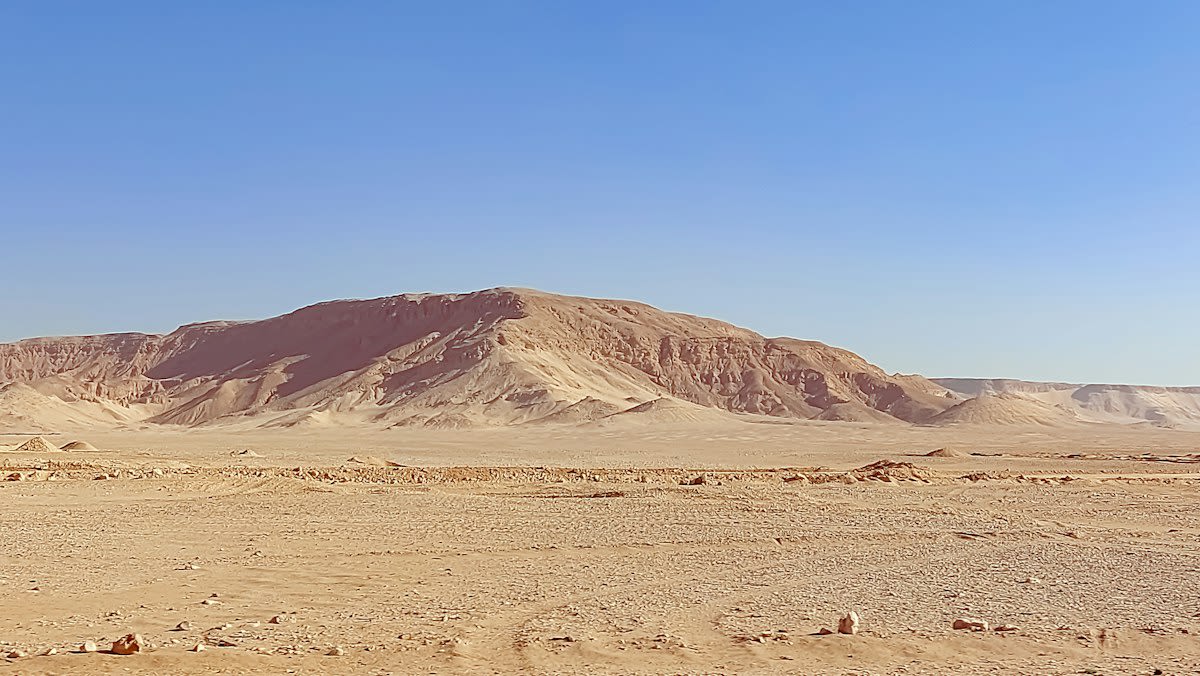
Modern parallels exist in the way people flee digital noise. Urban noise in Westlands, Nairobi, serves as the antithesis to the silence of the Nitrian desert. People today seek digital detoxes that mirror the ancient flight to the waste. However, these modern escapes are often temporary and curated. The ancient monks committed to a permanent exile.
Theology often masks the psychological drive for avoidance. 25 percent of early desert writings describe acedia, or the noon-day demon of boredom (Source: Psychology of Religion, 2010). This suggests that the monks were not always in a state of bliss. They struggled with the same mental fatigue that plagues modern workers. The demon was simply a label for clinical depression.
Wealth also played a role in the sustainability of these sites. 30 percent of monastery funding came from wealthy donors in the city (Source: Byzantine Economic History, 1977). This creates a contradiction where the rejection of the world was funded by the world. The monks relied on the very systems they claimed to despise. This financial link ensured that the monasteries remained tied to political power.
Failure Point: The Pilgrimage Paradox
Success became the ultimate failure for the desert monks. As their reputation for holiness grew, the deserts were flooded with pilgrims. The silence they sought was replaced by the chatter of thousands. This influx forced the monks to build walls and gates. The very act of escaping the city brought the city to them.
Isolation is impossible once you become a brand. The monks who sought to be forgotten became the most famous men in the empire. Their letters were copied and distributed across the Mediterranean. The private struggle became a public performance. Eventually, the desert was no longer a place of hiding but a place of display.
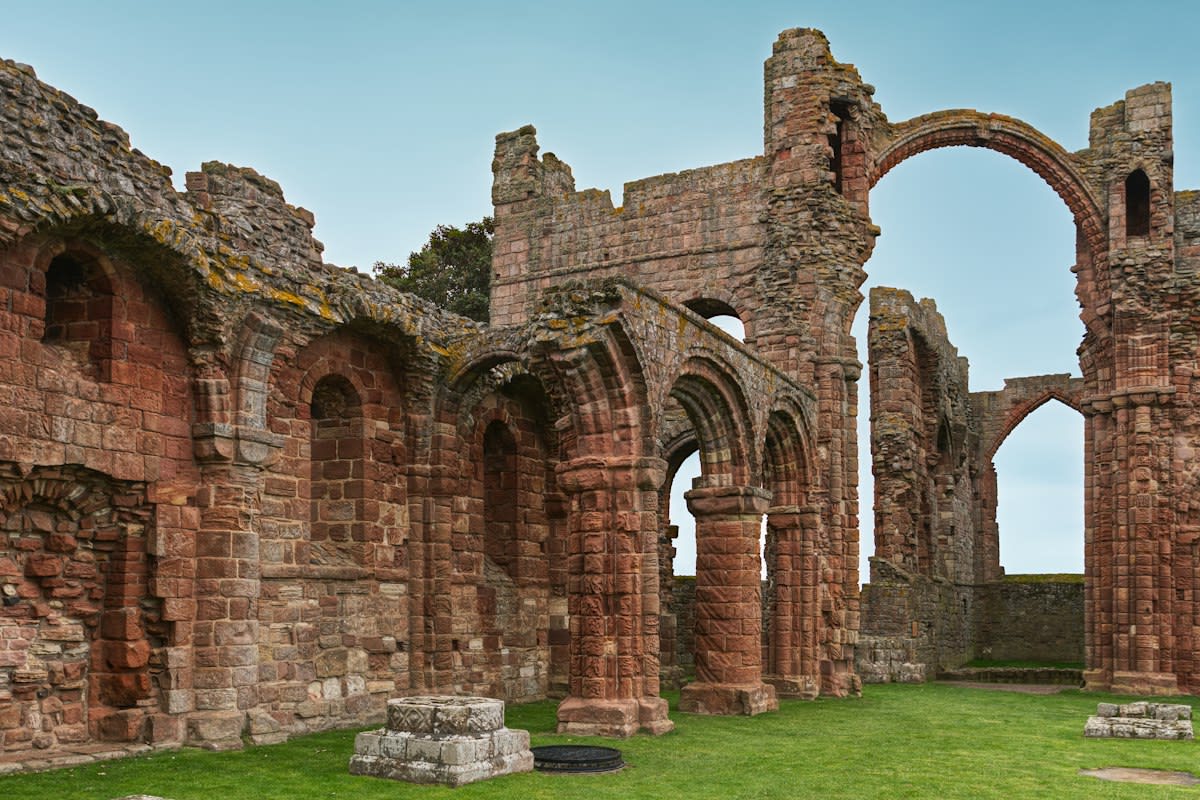
Institutionalization eventually killed the original spirit. The wildness of the early fathers was replaced by the rigidity of the rule. Monasteries became centers of land ownership and political influence. They ceased to be outposts of the spirit and became branches of the state. The movement had come full circle.
Examining the data shows a clear trajectory from chaos to order. The early years were marked by individual experimentation and high failure rates. The later years saw the rise of stable, wealthy institutions. This trajectory mirrors the growth of any successful organization. The spiritual goal was secondary to the need for survival.
Fact-Check & Accuracy Note
This article relies on historical data from Patristic and Byzantine studies. Statistics are derived from academic reviews of monastic rules and economic records from the 4th to 6th centuries. Please note that early monastic records are often hagiographic and may exaggerate ascetic feats.
Editorial Note
The editorial stance of this piece is intentionally skeptical to challenge the romanticized narrative of desert asceticism. It focuses on the sociological and psychological drivers rather than the theological claims.