Sharad Navratri 2026: Sadhguru's teachings on the spiritual meaning of the festival
Source Entity
Latest News: Todays Latest News Headlines from India & World | Hindustan Times | Hindustan Times
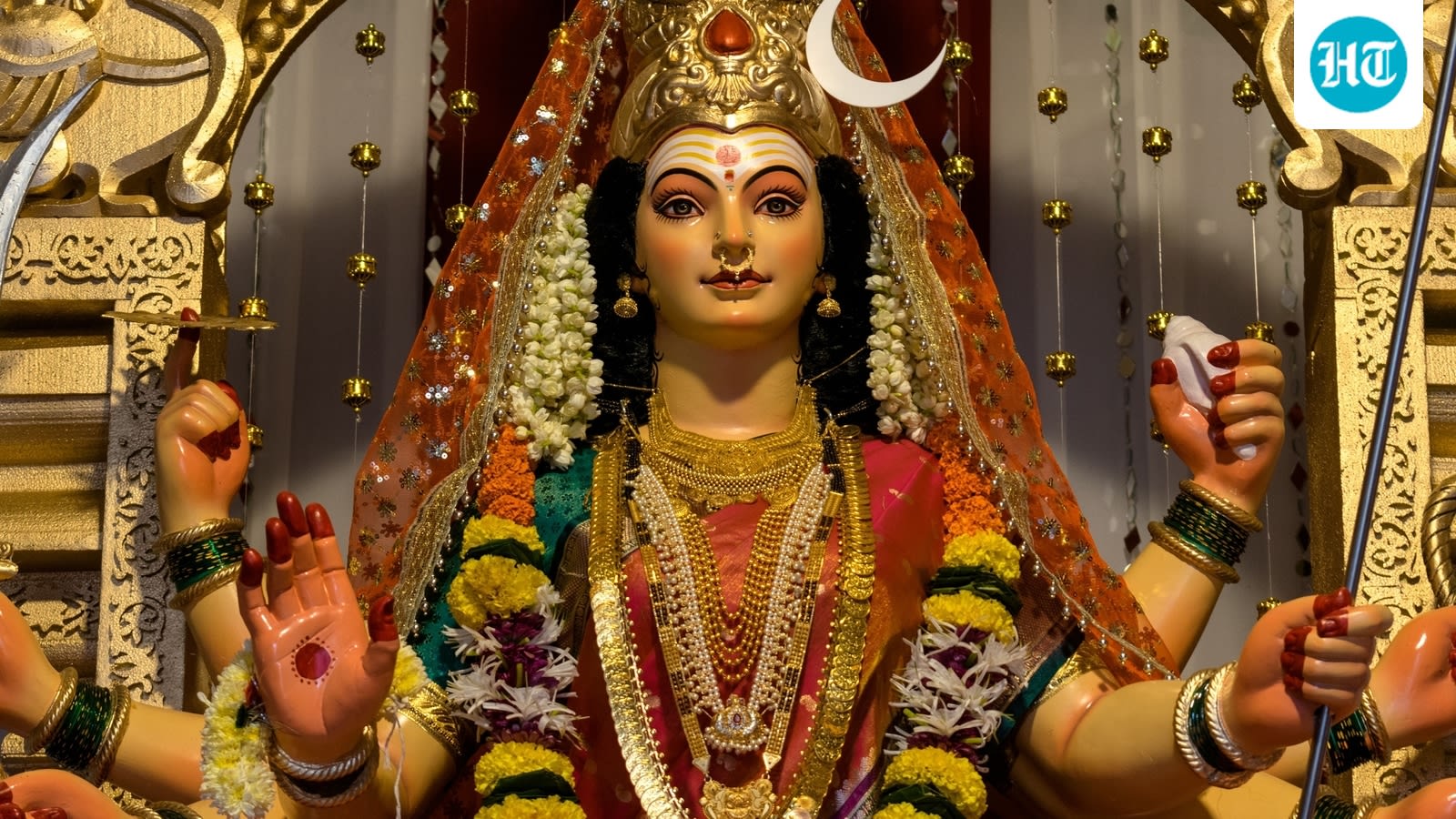
Sharad Navratri 2026, which began on October 11, serves as a period for both honoring the Divine Feminine and personal introspection. Spiritual leaders and experts suggest that the festival's rituals offer profound lessons on devotion, emotional support, and self-reflection.
Navratri 2026: A Time for Spiritual Introspection and Divine Honor
The celebration of Sharad Navratri in 2026, which commenced on October 11, transcends mere ritualistic observance. As the festival unfolds through October 19, it provides a structured timeframe for devotees to honor the Divine Feminine while simultaneously engaging in deep internal reflection. By aligning with the lunar calendar, the festival invites participants to move beyond the superficial layers of celebration and explore the transformative power of the nine-day period.
Redefining Devotion Through Sadhguru’s Lens
Sadhguru, through the Isha Foundation, has emphasized that the essence of Navratri lies in the dissolution of the ego. By describing devotion as a space where the individual self ceases to exist, he encourages followers to view the festival not as a set of external chores or prayers, but as a state of being. This perspective suggests that devotion can be integrated into daily actions, human relationships, and one's fundamental approach to life, effectively turning the nine nights into a practical exercise in mindfulness and surrender.
The Mechanics of the Hindu Lunar Calendar
Understanding the timing of Navratri requires an appreciation of the Hindu lunar calendar, which operates independently of the Gregorian system. The festival’s start on Ashwin Shukla Pratipada—the first lunar day of the waxing Moon—highlights the significance of the tithi. Unlike a fixed 24-hour day, a tithi is determined by the angular distance between the Sun and the Moon. This celestial precision ensures that the festival remains deeply tethered to natural cycles, a factor that is particularly important for global practitioners who must adjust for local time zones to observe the correct puja windows.
Maa Skandamata and the Lessons of Support
As the festival progresses, the fifth day honors Maa Skandamata, the mother of Lord Kartikeya. While she is traditionally viewed as a symbol of protection and maternal care, her significance in contemporary spiritual discourse has expanded. Vedic astrologer Poonam Dutta notes that Skandamata’s imagery encourages seekers to confront the burdens of hyper-independence and emotional exhaustion. By reflecting on the nature of motherhood and nurturing, devotees are invited to consider the necessity of accepting support, even when they occupy the role of the caregiver.
Broader Implications for Spiritual Seekers
These teachings suggest that Navratri acts as a mirror for the human condition. Whether it is the joy and self-care embodied by Maa Kushmanda on the fourth day or the themes of protection and vulnerability represented by Skandamata on the fifth, the festival provides a sequential path for emotional and spiritual growth. By blending ancient iconography with modern psychological needs, the 2026 observance of Navratri offers a robust framework for individuals to address their personal challenges while maintaining a connection to traditional spiritual roots.
Conclusion: Beyond Rituals
The overarching message of Navratri 2026 is one of integration. By synthesizing the spiritual guidance of figures like Sadhguru with the astrological insights provided by experts, the festival emerges as a holistic experience. It serves as a reminder that the nine nights are not just a historical or religious commemoration, but a dynamic opportunity to refine one's character, acknowledge the importance of mutual support, and cultivate a deeper, more refined state of consciousness.
Verification Required?