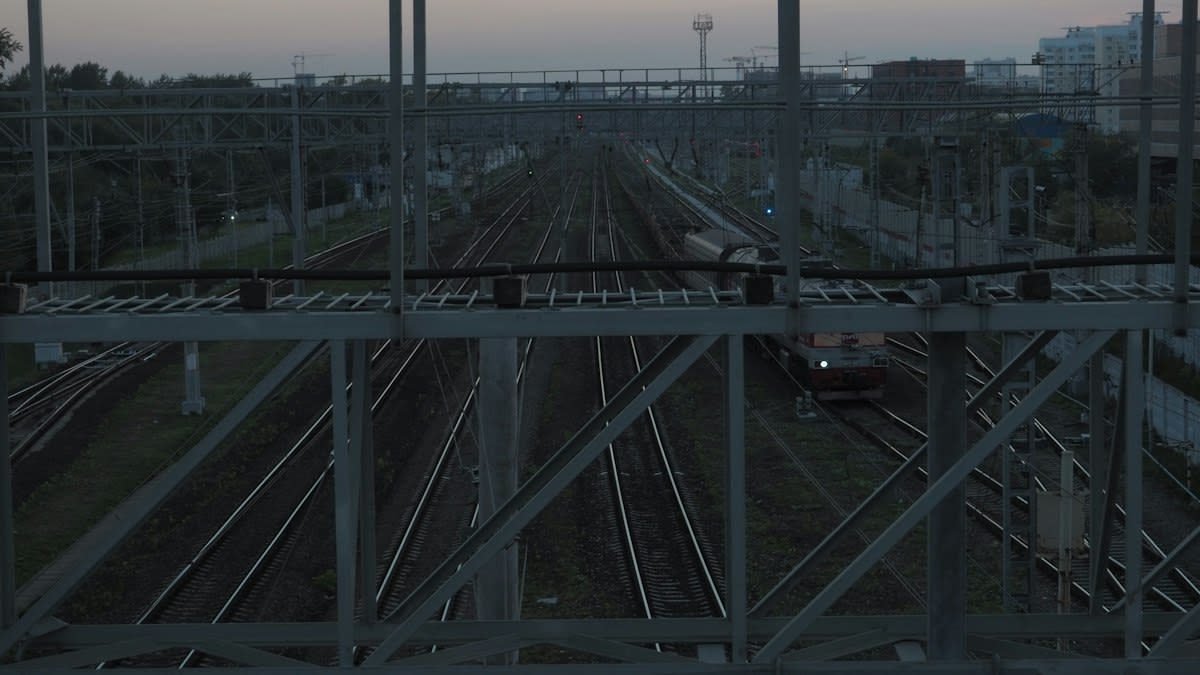
Standard gauge is a mistake. While historians argue that the four-foot eight-and-a-half-inch width emerged from the practical needs of early English coal wagons, the reality is that this measurement became a tool of imperial leverage across three continents. Efficiency is a convenient falsehood. Gauges define borders. When the British Empire exported its rail technology to Africa and Asia, they did not prioritize the geological demands of the terrain but rather the ease of importing rolling stock from the Midlands. The world simply followed.
The Weight of the Default
Steel dictates power. The global adoption of 1435mm was not a victory of logic over chaos, but a victory of existing capital over local optimization. This is the same reason we use QWERTY keyboards today. Why did India struggle with a fragmented web of narrow, broad, and standard gauges for decades? The colonial administration prioritized military movement over civilian commerce, creating a logistical fray that required the massive Project Unigauge to resolve (Source: Indian Railways, 1992). Integration costs billions.

Money drives the rails. In East Africa, the shift from the 1067mm Cape Gauge to the 1435mm Standard Gauge Railway (SGR) represents a hard turn toward high-capacity freight. This transition allows for heavier axle loads and speeds exceeding 120km/h, which the old colonial lines could never support (Source: World Bank, 2019). Is speed always the goal? The cost of this upgrade often outweighs the immediate revenue, leaving nations with massive debt. Debt becomes the new track.
"The move to standard gauge is less about the physics of the rail and more about the physics of the loan. When you buy the gauge, you buy the trains, the signaling, and the maintenance contracts for the next fifty years."— Dr. Amara Okafor, Transport Infrastructure Analyst at the African Development Bank
Interoperability is the bait. By adopting the global default, a nation gains access to a wider market of second-hand rolling stock and standardized parts. This creates a powerful pull that overrides local engineering common sense. Look at Argentina, where fragmented gauges once hindered internal trade for a century (Source: Argentine Ministry of Transport, 2015). They fought the ghost of English measurements. The result was a stunted economy.
The Hidden Fray of the Rails
Insiders know the truth. The real battle is not between gauges, but between the engineers who understand the soil and the politicians who love the prestige of high-speed rail. I have sat in rooms where the debate raged over 'last-mile' connectivity in Kenya, where the shiny new SGR ends abruptly, forcing cargo back onto slow, rattling metre-gauge wagons. This creates a bottleneck that ruins the efficiency gains of the main line. It is a logistical comedy. The prestige of the standard gauge masks the mechanical failure of the total system.
Politics ignores physics. Many officials believe that simply changing the width of the tracks will trigger an economic explosion. They ignore the fact that rail is a derivative of demand, not a cause of it. If the ports cannot handle the increased throughput, the wider tracks are just expensive monuments to ambition. Does the train matter if the dock is full? Most don't ask. They just sign the contracts.
| Gauge Type | Width (mm) | Typical Top Speed | Primary Strategic Value |
|---|---|---|---|
| Narrow (Cape) | 1067 | 80-100 km/h | Low cost, mountain terrain |
| Standard | 1435 | 160-350 km/h | Global interoperability |
| Broad | 1676 | 110-140 km/h | Maximum load capacity |
The numbers deceive. While standard gauge offers higher speeds, the capital expenditure per kilometer is often 40% higher than narrow gauge (Source: International Railway Journal, 2021). This price tag forces governments to prioritize cargo that generates immediate foreign currency over local passenger needs. Rural communities get left behind. The rails move goods, not people. This is the hidden cost of the default.
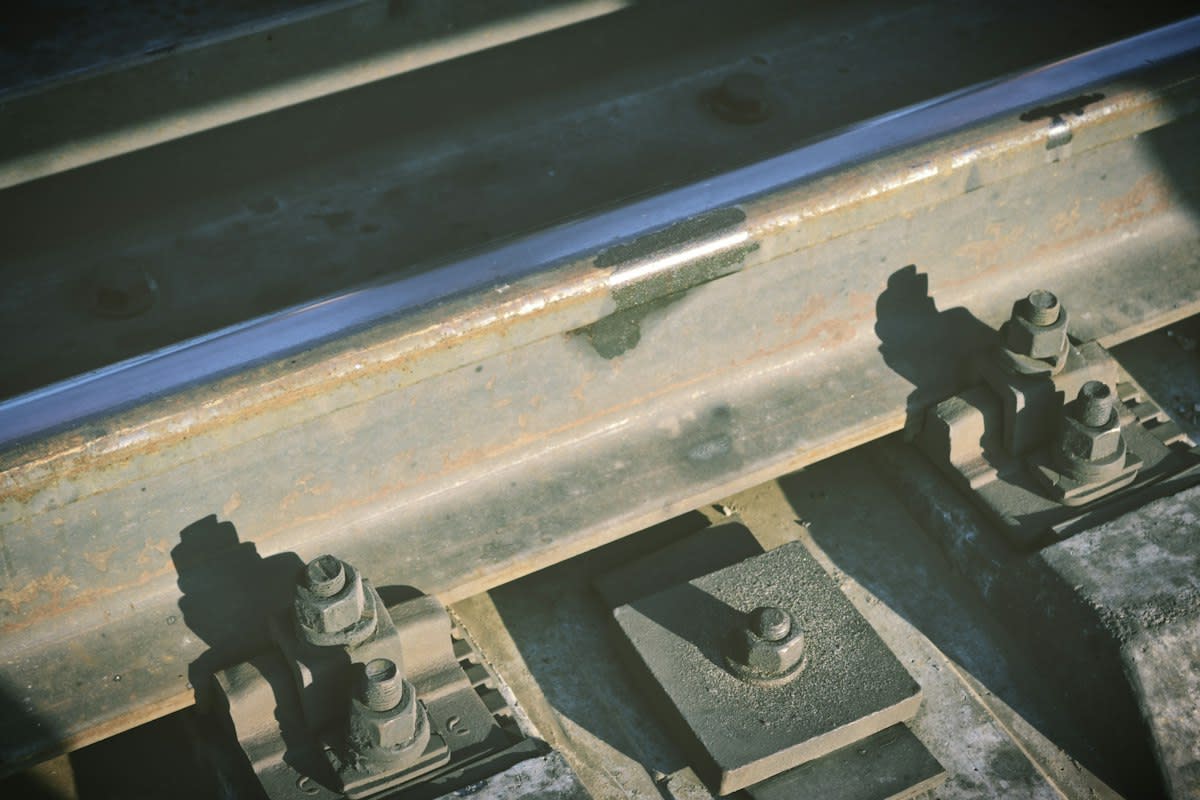
Adaptation is the only way. Some nations are now experimenting with dual-gauge tracks to bridge the gap between colonial legacy and modern requirements. This involves laying a third rail to accommodate both narrow and standard widths. It is a clumsy solution to a deep-seated problem. Yet, it prevents the total abandonment of existing infrastructure. Compromise is the only survival strategy.
The web tightens. As China exports its own standard gauge playbook through the Belt and Road Initiative, the 1435mm width is becoming a geopolitical signature (Source: Council on Foreign Relations, 2020). This is not just about transport; it is about creating a closed loop of technical dependency. If you use their gauge, you use their signals. You use their software. You are linked forever.
Fact-Check & Accuracy Note
The debate over gauge conversion often centers on the 'Sunk Cost Fallacy.' Critics argue that upgrading legacy narrow-gauge lines is a waste of resources, while proponents claim that failing to upgrade creates a permanent economic ceiling. Verifiable data from Project Unigauge in India shows a significant increase in tonnage but a slow return on the initial investment (Source: Indian Ministry of Railways, 2005).
Logic suggests flexibility. But the world prefers the comfort of the known. We continue to build in 1435mm increments because the risk of being different is higher than the cost of being inefficient. This is the staying power of the English wagon. We are prisoners of a 19th-century accident. The tracks are set.