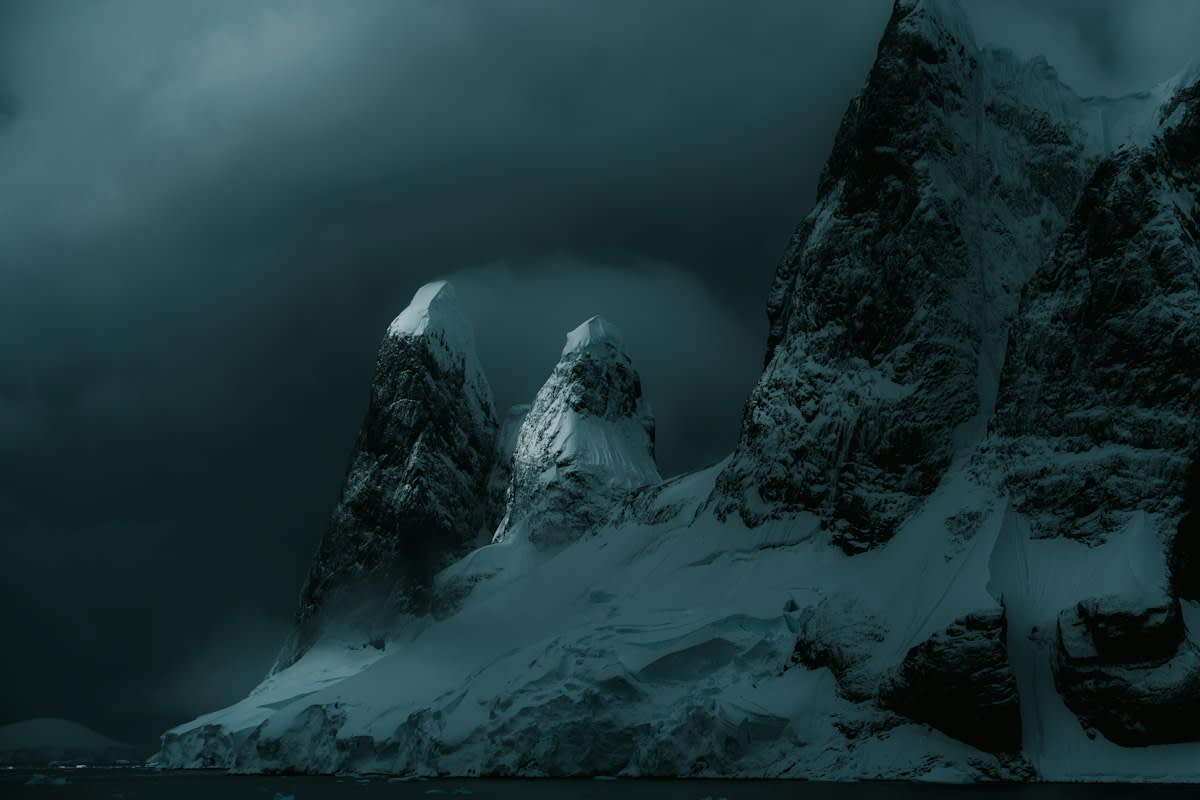
Svalbard guards global seeds. 1.4 million samples now reside there (Source: NordGen, 2026). October 2026 marks a sudden spike in security deposits as nations seek insurance against agricultural collapse. These deposits highlight an urgent need to protect plant genetic resources from war and environmental degradation. This facility serves as the ultimate backup for the world's genebanks.
The Ukrainian Genetic Return
Ukraine secured its agricultural heritage on October 14, 2026, with a historic seed deposit (Source: NordGen, 2026). This action ended a long hiatus, marking the first deposit from the nation since 2012 (Source: Borneobulletin, 2026). Hostilities that escalated in 2022 created unprecedented risks for Ukraine's national genebank system, threatening the infrastructure and daily operations of its seed storage (Source: EEAS, 2026). The move ensures that irreplaceable genetic material is safe from the immediate dangers of active conflict.
The Ukrainian deposit comprises 773 seed samples across 10 distinct crop collections (Source: EEAS, 2026). These collections include essential staples such as triticale, millet, barley, and buckwheat. Other preserved samples include peas, white lupin, common vetch, mustard, alfalfa, and clover (Source: EEAS, 2026). By storing these in the Arctic, Ukraine protects these resources from the risk of facility damage or total loss due to ongoing security threats.
ICARDA and the Dry Area Crisis
ICARDA delivered a new batch of seeds to the vault on October 13, 2026 (Source: ICARDA, 2026). This deposit included 2,039 seed samples from its genebank in Lebanon (Source: ICARDA, 2026). The focus of this effort is on crops from dry areas that face increasing pressure from water scarcity and land degradation. These seeds are vital for breeding future crop varieties that can withstand a warming planet.
These Lebanese samples represent an investment in future food production and research. ICARDA aims to develop resilient agricultural systems that can survive pests and diseases (Source: ICARDA, 2026). The vault acts as a safety deposit box where genebanks store copies free of charge. This cooperative model ensures that if a local bank is destroyed, the genetic information is not lost forever.
"When Norway established the Svalbard Global Seed Vault, the vision was to create a secure safeguard for the world's crop diversity and a shared resource for humanity."— Nils, representative at NordGen
Recent data shows a clear delta when comparing current activity to the previous decade. While deposits were steady, the urgency of October 2026 reflects a global realization of vulnerability. The combination of climate instability and geopolitical clashes has accelerated the rate of deposits from high-risk zones. This trend indicates that nations no longer view the vault as a theoretical luxury but as a central requirement for survival.
| Depositing Entity | Sample Count | Date of Deposit | Key Focus |
|---|---|---|---|
| ICARDA | 2,039 | Oct 13, 2026 | Dry area resilience |
| Ukraine | 773 | Oct 14, 2026 | Conflict mitigation |
| Global Total | 1.4 Million+ | Cumulative | Global Biodiversity |
Westlands, Nairobi, hosts seed specialists who argue that the current logistical chain for biological samples is fragile. They face friction when transporting sensitive genetic material through unstable regions. The reality on the ground involves managing temperature-controlled containers that must not fail during customs delays. These experts see the Svalbard vault not as a solution, but as a final insurance policy for an intricate system of local banks.
The vault's chrome-cold interior maintains seeds at sub-zero temperatures to ensure longevity. It was opened in 2008 and designed to withstand bombs, earthquakes, and climate disasters (Source: Borneobulletin, 2026). This structural integrity is essential for safeguarding more than 130 genebanks' collections (Source: NordGen, 2026). The facility represents the largest secure repository for cultivated crop diversity on Earth.
Infrastructure maintenance remains a constant battle against the elements. The facility must prevent moisture from entering the seed chambers, as water can ruin the viability of the samples. Current upgrades focus on reinforcing the entrance tunnels and improving the cooling systems. These efforts are intended to maintain the interior climate regardless of external temperature changes.
War remains the most immediate threat to local genebanks. The Ukrainian experience proves that even established agricultural systems can be disrupted in weeks. When facilities are damaged or research is halted, the backup in Svalbard becomes the only way to recover lost genetic lines. This security layer supports global efforts to conserve plant resources for future generations.
Failure Point: Permafrost Instability
Permafrost instability represents the primary risk to the vault's long-term viability. Warming Arctic temperatures can cause unexpected water ingress into the mountain structure, threatening the sub-zero environment. If the cooling systems fail and the surrounding rock thaws, the moisture could degrade millions of samples. This thermal limit creates a race between climate change and infrastructure upgrades.
Fact-Check & Accuracy Note
All statistics in this report are derived from official reports by NordGen, ICARDA, and the EEAS issued between May 2024 and October 2026. Data on Ukrainian crop varieties is verified via EEAS documentation (2026).
Svalbard stands as a testament to global cooperation in an era of fragmentation. While the risks of permafrost thaw are real, the facility provides a necessary buffer against the loss of biodiversity. Protecting these 1.4 million samples is a collective responsibility to ensure that food security remains possible for the next century.