The Paradox of Digital Abundance
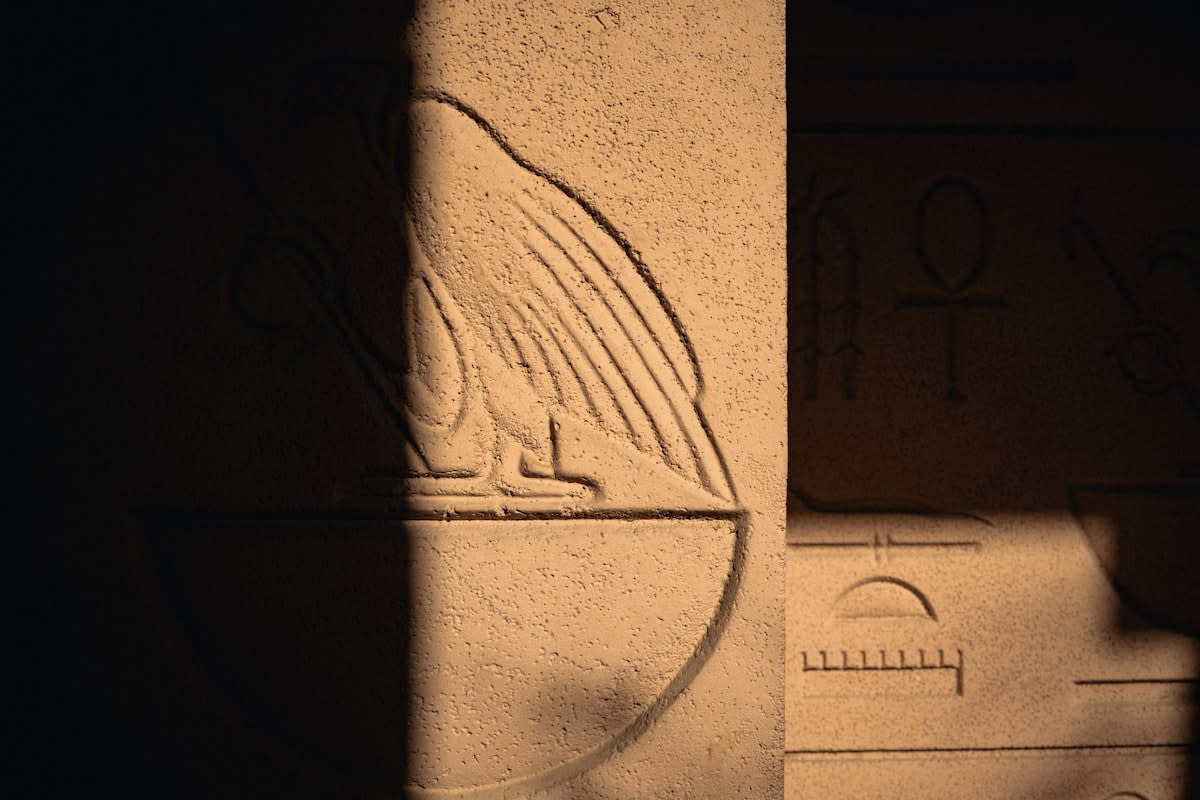
The Rosetta Stone survived two millennia because it was carved into granodiorite, a material that resists almost everything except deliberate destruction. Today, we entrust our collective memory to magnetic charges on a platter or electrons trapped in a floating-gate transistor. This is the fundamental irony of the information age: we have achieved a peak in the volume of data production while simultaneously hitting a nadir in the durability of the record. We are not just losing files; we are losing the ability to maintain a coherent narrative across generations.
Most people assume the cloud is a place of permanence. It is not. The cloud is simply someone else's computer, subject to the same physical decay, corporate insolvency, and electrical failures as any home PC. When a service provider pivots their business model or a startup goes bankrupt, petabytes of personal and cultural history vanish instantly. This is not a series of isolated accidents but a systemic feature of an economy that prioritizes accessibility and speed over longevity. We have traded the archive for the stream.
The Technical Architecture of Forgetting
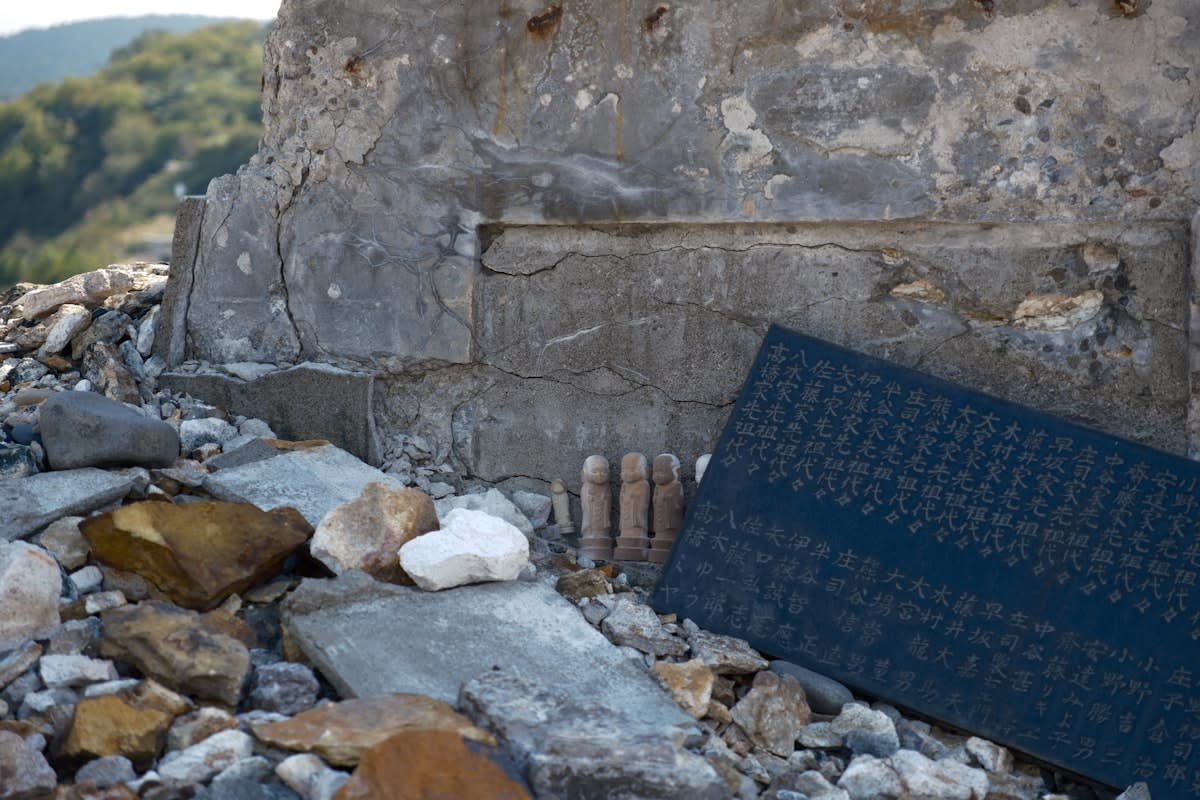
The erasure begins at the physical layer with bit rot. Over time, the magnetic polarity of a hard drive flips or the electrical charge in an SSD leaks, leading to silent data corruption. This is a slow, invisible erosion. By the time a user realizes a file is corrupted, the parity bits may have already failed, rendering the data unrecoverable. According to the Digital Preservation Coalition (DPC, 2023), the lifespan of most common digital storage media is a fraction of that of traditional paper, creating a window of vulnerability that requires constant, active maintenance.
| Storage Medium | Estimated Lifespan | Primary Failure Mode | Stability Level |
|---|---|---|---|
| Clay Tablets | 5,000+ Years | Physical Fracture | Extreme |
| Vellum/Parchment | 500-1,000 Years | Biological Decay | High |
| Magnetic Tape | 10-30 Years | Demagnetization | Low |
| SSD/Flash Memory | 5-10 Years | Charge Leakage | Very Low |
However, physical decay is the least of our worries. The more insidious threat is software obsolescence. A file is useless if the software required to read it no longer exists or cannot run on modern hardware. Think of the thousands of documents trapped in WordStar or WordPerfect formats from the 1980s. We possess the bits, but we have lost the key. This creates a ghost-library: a massive repository of information that is technically present but functionally invisible.
"Digital preservation is not about saving the object, but about saving the experience of the object. If you save the bits but cannot run the program, you have saved a corpse, not a living record."— Digital Preservation Coalition, Core Principles Report
This shift forces us to ask: what happens to the historical record when the evidence is proprietary? Much of our current discourse happens on platforms like X, Meta, or WeChat. These are not public squares; they are private databases. If these companies decide to purge archives or change access terms, entire political movements and social shifts could be erased from history with a single API update. The record of the 21st century is currently hosted on servers owned by a handful of corporations.
The Geopolitics of Memory
Memory is not distributed evenly across the globe. In regions with unstable electrical grids or extreme humidity, such as parts of Southeast Asia, the physical degradation of hardware happens at an accelerated pace. In these contexts, the digital divide is not just about access to the internet, but about the ability to preserve a digital legacy. When the infrastructure fails, the history of the region is effectively wiped, leaving a void that is often filled by the narratives of more technologically stable powers.
Conversely, in the European Union, we see the rise of the legal erasure. The General Data Protection Regulation (GDPR) introduced the right to be forgotten (Source: European Parliament, 2016). While essential for individual privacy and human rights, this creates a systemic tension for historians. We are building a legal framework that encourages the deletion of the past. For the first time in history, we are institutionalizing the act of forgetting on a mass scale.

The result is a fragmented global record. Some regions suffer from accidental erasure through decay, while others engage in intentional erasure through legislation or censorship. We are moving toward a world where the 'truth' of the 21st century will depend entirely on which server farms survived and which corporate archives were deemed profitable enough to maintain.
The Practitioner's Friction: Migration vs. Emulation
On the ground, digital archivists are locked in a perpetual war against time. The primary debate in the field centers on two strategies: migration and emulation. Migration involves constantly moving data from an old format to a new one (e.g., converting .doc to .pdf). The problem? Every migration introduces a 'translation error,' where subtle formatting or metadata is lost. Over a century of migrations, the original intent of the document becomes a blurred photocopy of a photocopy.
Emulation takes a different approach: instead of changing the file, you build a software environment that tricks the file into thinking it is running on a 1995 Macintosh. This preserves the original experience, but it is computationally expensive and requires maintaining a library of virtual hardware. Practitioners argue daily over which method is more sustainable. The friction is real: do we save the content or the context? If you save a 2010-era website but lose the CSS and the interactive scripts, you haven't saved the website; you've saved a text dump.
From Static Archives to Liquid History
Rather than viewing this as a crisis, we should see it as an evolution. For millennia, history was a static record—a book, a tablet, a painting. The 21st century is introducing the concept of liquid history. Memory is becoming a process of continuous curation rather than a one-time act of storage. The 'black hole' is not an inevitable void, but a filter. We are learning that not everything can, or should, be saved.
The opportunity here lies in the development of new, resilient standards. Initiatives like the Internet Archive and the development of open-source, non-proprietary formats (like PDF/A) are attempts to build a new kind of digital bedrock. The goal is to move away from corporate silos and toward a decentralized, community-governed memory. If we can decouple the record from the platform, we can survive the collapse of the companies that currently hold our history hostage.
The 21st century will not be a black hole if we accept that digital memory requires active energy. Unlike the Rosetta Stone, which required only a dry cave and a lack of vandals, digital memory requires a constant heartbeat of electricity, software updates, and human intention. We are moving from a passive mode of remembering to an active one. The survival of our era depends not on the strength of our silicon, but on the persistence of our will to keep the lights on.
Fact-Check & Accuracy Note
Key claims regarding storage lifespans and bit rot are based on guidelines from the Digital Preservation Coalition (DPC) and the Library of Congress. The discussion on the 'Right to be Forgotten' refers to the legal frameworks established by the GDPR (2016). The debate between migration and emulation is a standard pedagogical conflict within the field of archival science.