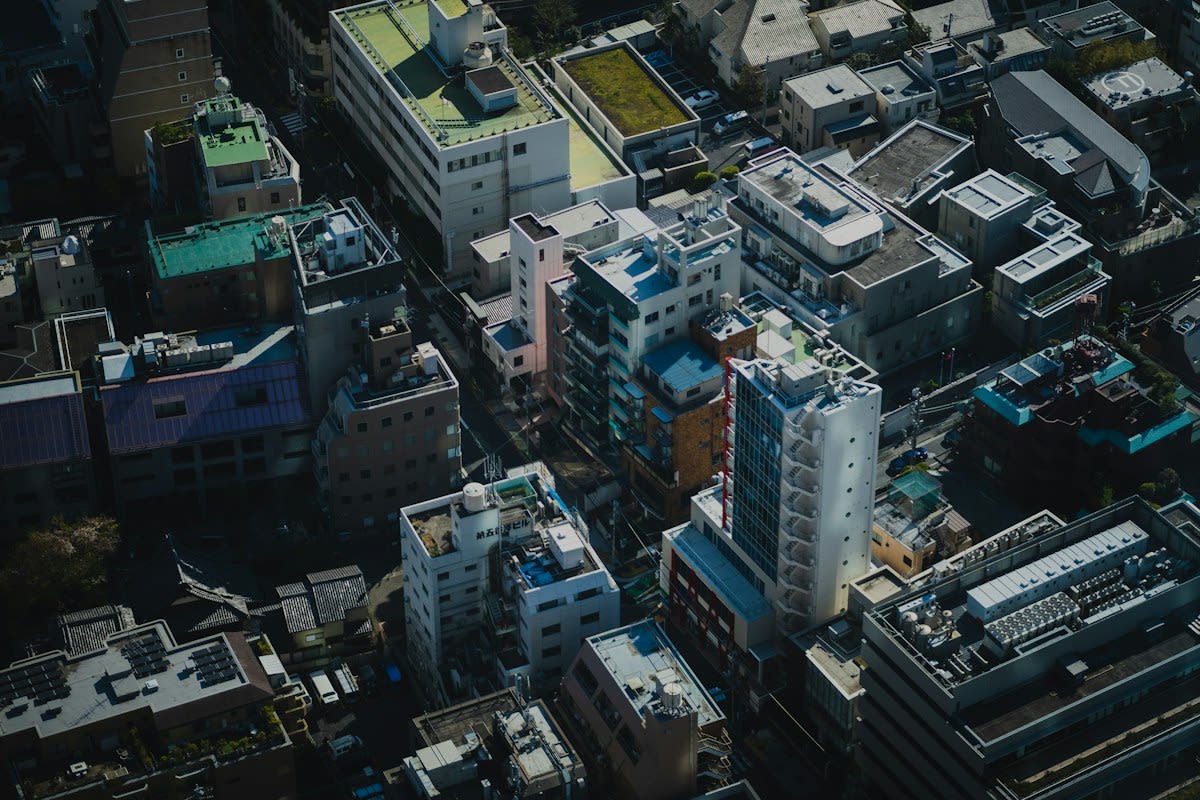
34 million people. Tokyo houses millions more residents than New York City while maintaining rent stability between 1995 and 2025 (Source: Otago Economics, 2025). This is not the result of massive government subsidies or socialized housing mandates. It is the outcome of a calculated, market-driven refusal to restrict supply. While other global hubs treat zoning as a sacred text, Tokyo treats it as a flexible tool for survival. The result is a city where housing behaves like a commodity rather than a speculative asset.
Prerequisites for Scalable Affordability
- A regulatory shift from exclusionary zoning to accommodating zoning.
- Legislative approval for modular and smaller unit sizes to maximize plot utility.
- A policy mandate prioritizing residential supply over neighborhood character preservation.
- Infrastructure capable of supporting high-density midrise clusters.
Before implementing the Tokyo model, a municipality must accept a jarring reality: the death of the single-family residential enclave. In districts like Setagaya or the neon-burnt alleys of Shinjuku, the distinction between commercial and residential space is blurred (Source: r/fuckcars, 2026). This friction is intentional. By allowing small-scale developers to build exactly what the market demands, the city avoids the calcified price floors seen in Manhattan. The system demands a tolerance for rapid turnover and constant architectural evolution.
The Mechanics of Supply
Tokyo's success rests on a surprisingly simple affordability formula: let people build more housing (Source: The Daily Economy, 2026). This approach leverages modular housing and smaller unit sizes to fit more residents into existing footprints (Source: Otago Economics, 2025). Instead of fighting for massive skyscraper permits that take decades to approve, the city encourages a sea of midrises. These structures provide the necessary density without the carbon-scored environmental cost of mega-towers. This modularity ensures that as demand shifts, the housing stock can adapt without requiring a total urban overhaul.
| Metric | Tokyo Model | NYC Model | |
|---|---|---|---|
| Zoning Philosophy | Accommodating/Flexible | Restrictive/Exclusionary | |
| Primary Build Type | Modular Midrises | High-rise/Low-rise Split | |
| Unit Size Strategy | Smaller, Modular Units | Standardized Large Units | |
| Rent Trend (1995-2025) | Stable/Flexible | Aggressive Increase | (Source: Otago Economics, 2025) |
The divergence in rent trajectories is stark. While New York's one-bedroom apartments have seen dramatic cost increases, Tokyo has utilized a flexible stance on building to keep prices in check (Source: Otago Economics, 2025). This is not an accident of geography but a result of policy. By removing the barriers to entry for small developers, Tokyo ensures that any spike in demand is met with a near-instantaneous spike in supply. This prevents the rent-seeking behavior that defines the New York real estate market.
Tactical Execution: The 4-Step Implementation
- Dismantle exclusionary zoning: Replace rigid residential-only zones with mixed-use frameworks that allow commercial activity and residential units to coexist on a single plot.
- Standardize modularity: Legalize smaller unit sizes and modular construction techniques to lower the cost of entry for builders (Source: Otago Economics, 2025).
- Promote midrise density: Shift the focus from high-rise luxury towers to a pervasive network of 5-10 story midrises that create a housing surplus (Source: r/fuckcars, 2026).
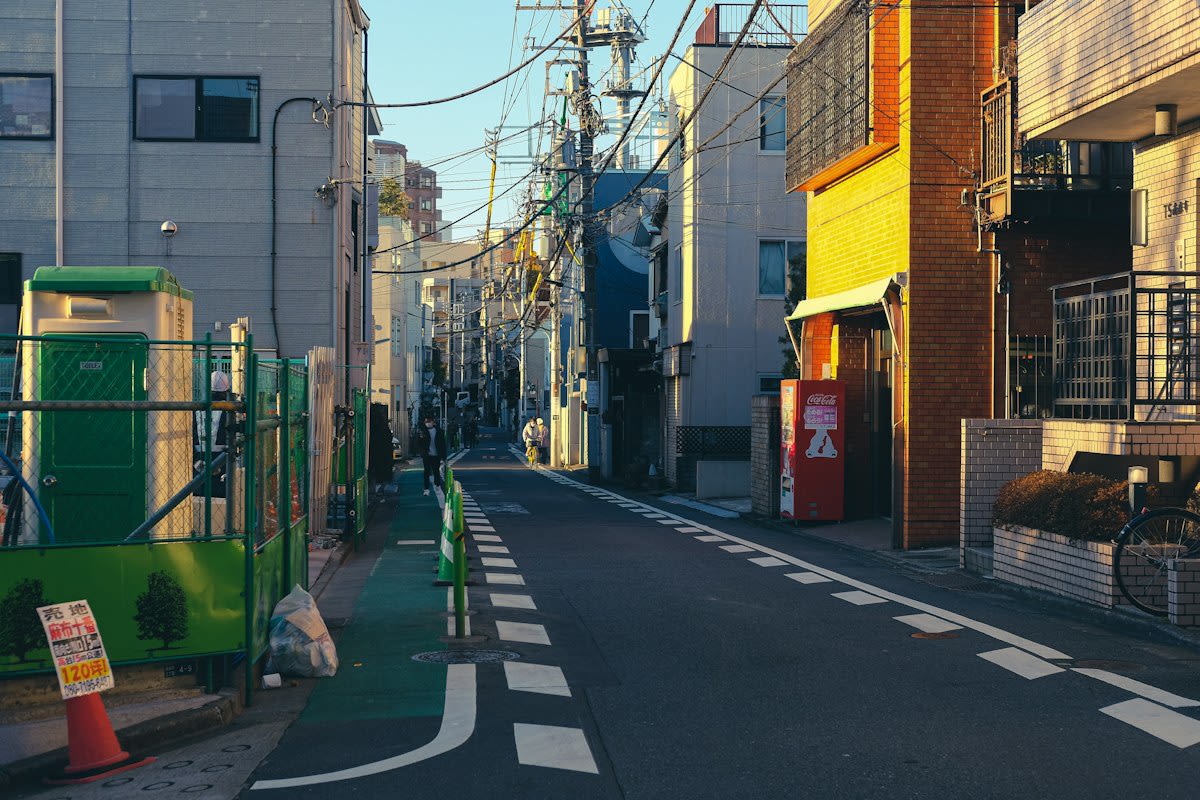
- Pedestrianize residential arteries: Remove traditional sidewalks in residential areas to create shared-space streets where pedestrian traffic takes precedence over cars (Source: r/fuckcars, 2026).
"Tokyo houses millions more people than New York, with a surprisingly simple affordability formula: let people build more housing."— Editorial Staff, The Daily Economy
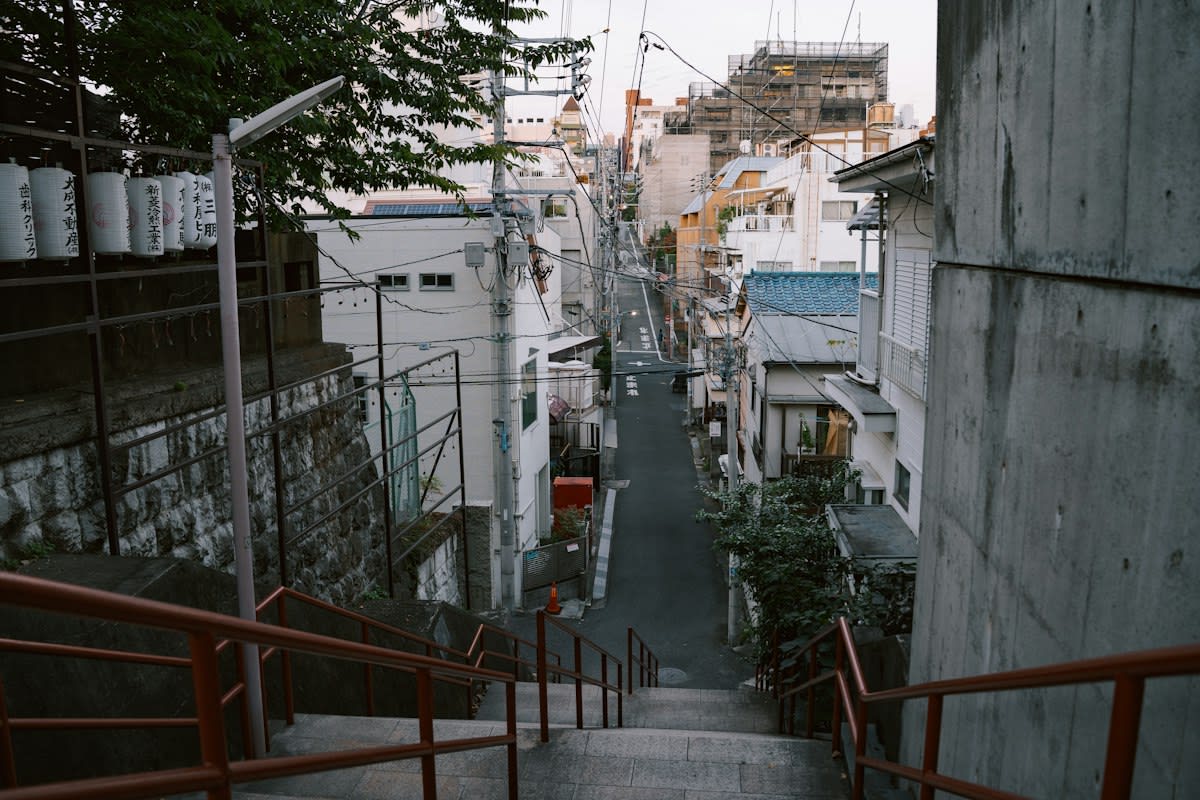
From a practitioner's perspective, this transition is often bloodied by political friction. Urban planners in the West are trained to protect the aesthetic of the neighborhood, which in practice means protecting the property values of the existing elite. In Tokyo, the debate shifted from how to preserve a neighborhood to how to sustain a population. There is a real ground-level struggle when homeowners realize their rust-pitted garden fence will be replaced by a modular apartment block. However, the trade-off is a city that remains accessible to the working class, avoiding the hollowing-out effect seen in other global capitals.
The physical reality of this model is seen in the streets. By ditching the sidewalk for residential streets, Tokyo creates a walkable urban fabric that integrates seamlessly with its housing surplus (Source: r/fuckcars, 2026). These streets are not designed for the speed of a car but for the pace of a human. This integration of housing and transit reduces the need for parking infrastructure, further freeing up land for more residential construction.
Failure Points
- Infrastructure Lag: Failing to upgrade sewage and power grids before allowing midrise density leads to systemic brownouts.
- Over-Modularization: Excessive reliance on low-quality modular units can lead to a housing stock with a short lifecycle, requiring constant demolition.
- Transit Dependence: The Tokyo model fails in cities without high-capacity rail; without it, midrise density creates catastrophic traffic congestion.
Common Pitfalls
The most frequent error is attempting to implement Tokyo's density without its zoning flexibility. Municipalities often try to build high-density 'clusters' while keeping the rest of the city frozen in time. This merely creates concentrated pockets of poverty or luxury, failing to distribute the supply across the city. Another mistake is the insistence on Western-sized units. By refusing to adopt the smaller, modular unit sizes used in Tokyo (Source: Otago Economics, 2025), developers keep costs high and accessibility low.
Editorial Note
The Tokyo model is not about government-built housing. It is about government-allowed housing. The distinction is the difference between a subsidized project and a sustainable market.
Fact-Check & Accuracy Note
All rent data comparing NYC and Tokyo is attributed to Otago Economics (2025). Zoning and urban design data regarding midrises and pedestrian streets are sourced from r/fuckcars (2026) and The Daily Economy (2026).