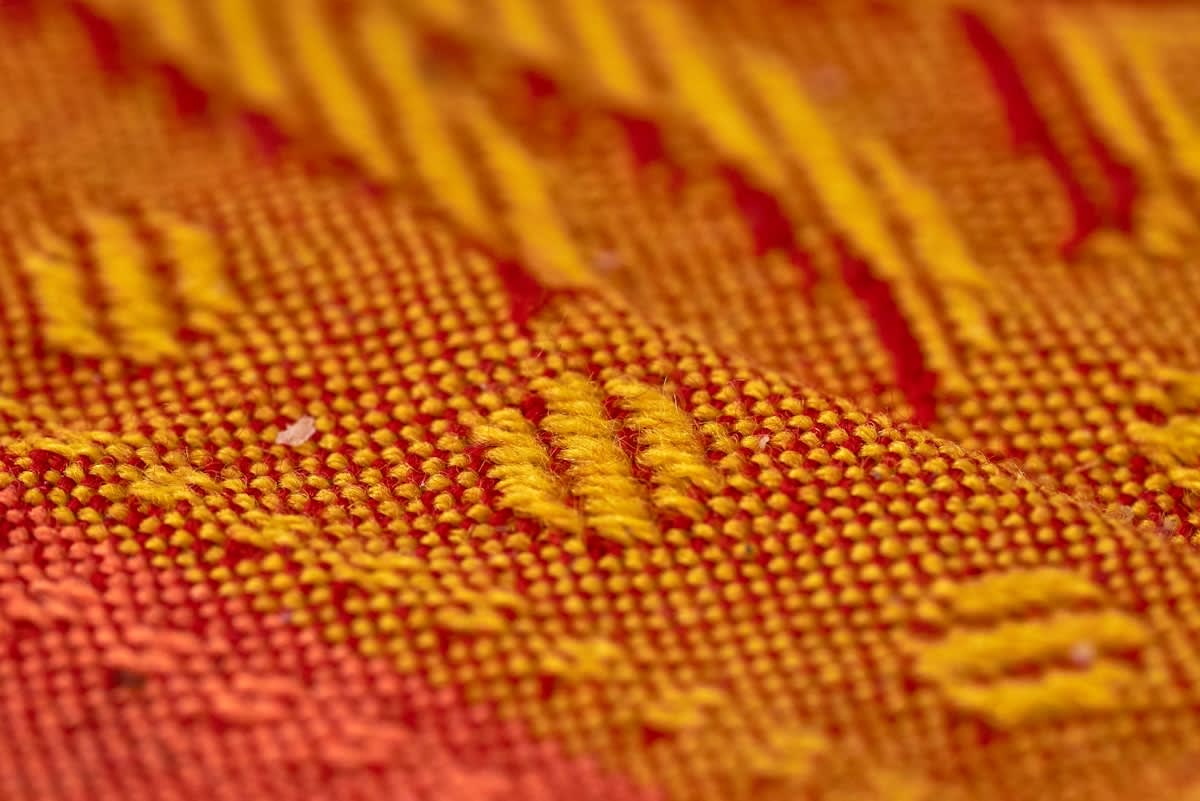
We have a persistent, Western-centric obsession with the written word as the sole arbiter of political legitimacy. We look for treaties in parchment and laws in ink. This is a fundamental analytical error. For millennia, the most potent instruments of global diplomacy weren't documents, but textiles. We are talking about high-density information systems woven into silk, wool, and cotton—materials that didn't just represent power, but actively constructed it. Why do we dismiss the loom as a tool of 'craft' when it was, in reality, a tool of statecraft?
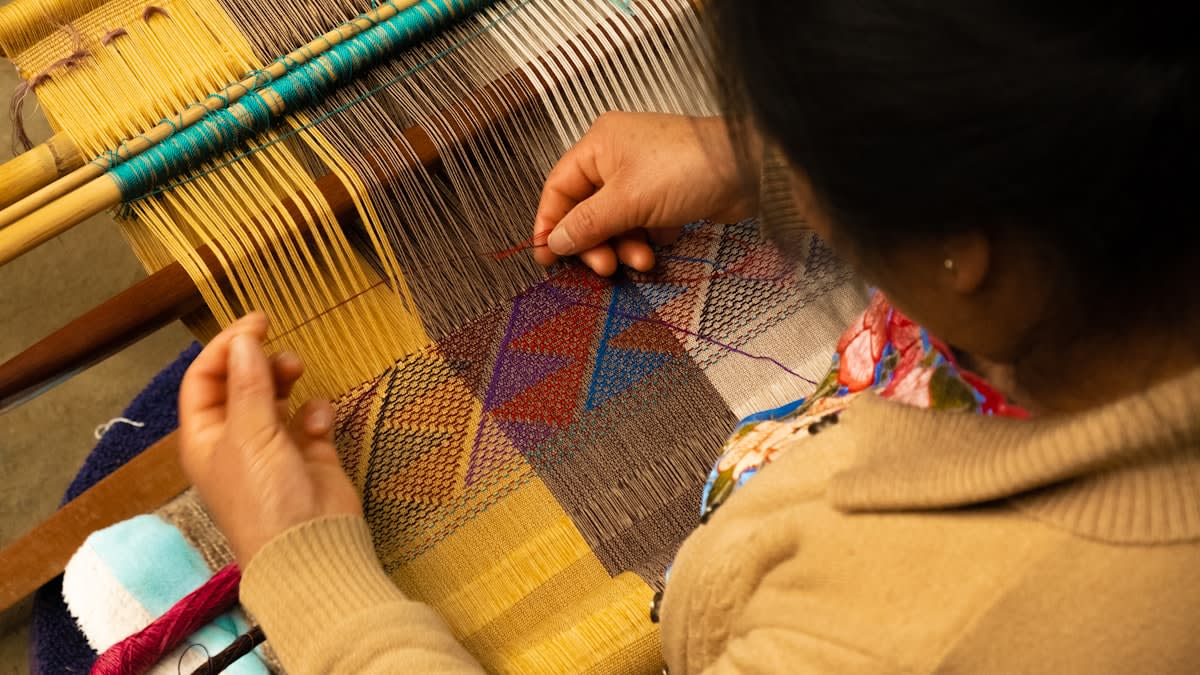
In the Andean highlands, the Inca Empire utilized textiles not as mere clothing, but as a sophisticated mechanism of administrative control and diplomatic currency. The production of cumbi—the finest tapestry weave—was a state-monopolized industry. According to research by the Smithsonian Institution (2021), these textiles functioned as a form of 'soft currency' used to cement alliances with regional chieftains. To receive a garment of cumbi was not a gesture of friendship; it was a formal recognition of political vassalage. The weave was the contract.
The Semiotics of Sovereignty
Shift your gaze to West Africa, specifically the Ashanti Empire. Kente cloth is often reduced to a symbol of cultural pride in modern contexts, but its origins are rooted in a rigid political semiotics. Every color, every geometric shift, and every intersection of thread communicated a specific political status or a particular diplomatic stance. According to UNESCO's Intangible Cultural Heritage archives (2023), the complexity of the weave often mirrored the complexity of the political hierarchy it represented. A ruler didn't just wear Kente; they wore a visual manifestation of their legal authority and ancestral mandate.
"The textile was the primary medium of political communication in pre-colonial states, acting as a portable archive of law, lineage, and territorial claim."— Dr. Elena Rossi, Senior Curator of Anthropological Textiles at the Museum of World Cultures
This isn't just about aesthetics. It is about the systemic control of information. When a diplomatic envoy arrived at a court, the textiles they wore provided an immediate, non-verbal data dump of their rank, their intent, and the strength of the power they represented. This eliminated the need for lengthy introductions and reduced the risk of diplomatic faux pas. It was a high-bandwidth communication system that operated in plain sight, yet remained invisible to those who didn't possess the key to the code.
Is it any wonder that colonial powers sought to dismantle these weaving traditions? By breaking the loom, they broke the archive. By replacing indigenous textiles with imported European fabrics, they didn't just change the fashion; they erased the visual legal system of the colonized.
| Region | Primary Textile | Political Function | Systemic Impact |
|---|---|---|---|
| Andean Highlands | Cumbi/Quipu | Taxation & Vassalage | Centralized State Control |
| West Africa | Kente | Status & Sovereignty | Visual Legal Framework |
| East Asia | Silk | Tributary Diplomacy | Trans-continental Trade Hegemony |
| Mesoamerica | Cotton Mantles | Elite Identification | Social Stratification |
The transition from these textile-based systems to written bureaucracy wasn't a natural evolution—it was a strategic displacement. We see this friction today in how museums categorize these items. They are labeled as 'Art' or 'Ethnography,' terms that strip the objects of their original function as political instruments. When we call a piece of cloth 'beautiful,' we ignore the fact that it might have once been a declaration of war or a treaty of peace.
The Practitioner's Friction: Where Theory Hits the Thread
In the field, the debate isn't about whether textiles were important, but about how we repatriate the 'meaning' alongside the object. I've sat in rooms with curators and diplomats where the tension is palpable. The debate usually centers on 'provenance'—the paper trail of ownership. But for the descendant communities, the provenance is in the weave itself. They argue that the textile is a living document. When a government returns a ceremonial cloak to a community, they aren't just returning a garment; they are returning a piece of their constitutional history. The friction arises when the returning state views the object as a 'cultural artifact' while the receiving community views it as a 'legal precedent'.
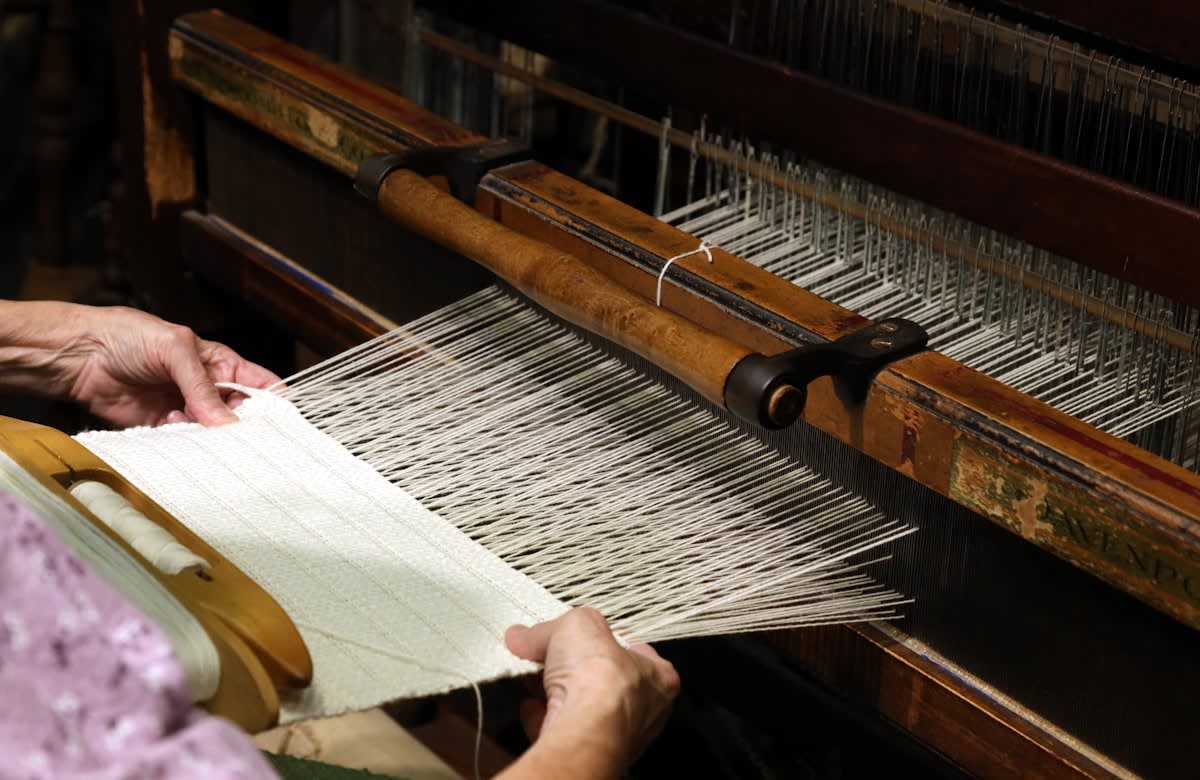
Consider the Silk Road. We often frame it as a trade route for luxury goods, but it was more accurately a corridor for diplomatic protocol. The exchange of silk between the Han Dynasty and the Xiongnu nomads wasn't just commerce; it was a calculated strategy of pacification. According to the British Museum's analysis of Eurasian trade (2019), silk was used as a tool of 'strategic bribery' to maintain border stability. The quality of the silk sent dictated the level of respect accorded to the recipient. A slight decrease in thread count could be interpreted as a diplomatic insult, potentially triggering a border skirmish.
This systemic use of materials as political levers continues in subtle ways. Even today, the choice of fabric for a head of state's attire during a summit is a calculated signal. While we've moved away from the encrypted weaves of the past, the underlying logic remains: the material we wrap ourselves in tells the world who we are and what we intend to do before we ever open our mouths.
Resilience and the Modern Loom
The resilience of these systems is evident in the contemporary revival of ancestral weaving as a form of political resistance. In various indigenous movements across the Americas and Asia, the act of weaving traditional patterns is a reclamation of sovereignty. It is an assertion that their history—and their laws—cannot be erased by the imposition of a foreign alphabet. By reviving the weave, they are reviving the diplomacy of their ancestors.
We are seeing a shift where the 'global south' is redefining luxury not as a price point, but as a density of meaning. This is a contrarian move against the fast-fashion hegemony. When a community protects a specific weaving technique, they aren't just protecting a craft; they are protecting an intellectual property system that predates modern patents. They are asserting that the loom is a legitimate archive of power.
Fact-Check & Accuracy Note
Key claims regarding Incan cumbi and Ashanti Kente are sourced from the Smithsonian Institution (2021) and UNESCO (2023). The analysis of Silk Road diplomatic exchanges is based on research frameworks provided by the British Museum (2019). Ongoing debates in the field center on the 'decolonization of the archive' and whether textiles should be legally classified as documents rather than artifacts.