
Compute is a lie. While industry leaders treat flops as the primary currency, the actual inflation is driven by the staggering cost of electrical infrastructure and the volatility of the energy grid. The physical limits now dictate the speed. We pretend that compute is a software problem, yet the real cost stems from the brittle nature of 20th-century grids attempting to handle AI workloads. This is the hidden tax.
The Voltage War
Voltage is the key. Moving to 800 VDC power architectures for rack-scale systems can improve end-to-end power efficiency by up to 5% compared to the older 54 V systems (Source: NVIDIA, 2026). Efficiency is a survival trait. When you operate at the scale of a megawatt rack, a 5% gain is not a marginal improvement but a necessary reduction in operating expenditure. This shift represents a hard turn in how we build data centers.
Stability is elusive. AI workloads can cause a single rack's power consumption to fluctuate between 30% and 100% within milliseconds, creating a chaotic demand profile that grids cannot naturally sustain (Source: Ampt, 2026). The grid hates surprises. To prevent total mechanical failure, operators must now integrate energy storage to bridge the gap between these conflicting demands. This adds layers of cost.
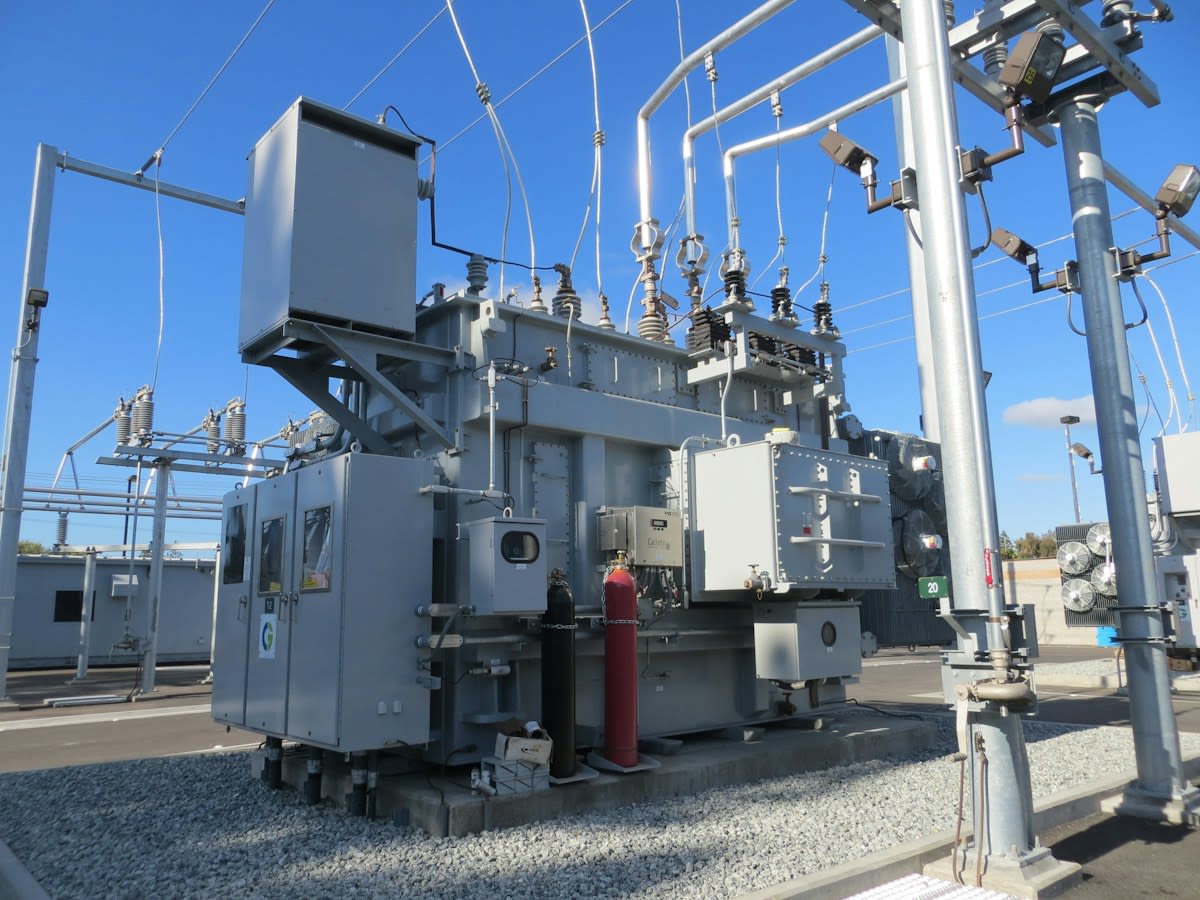
The bottleneck shifted. Developers can acquire thousands of Nvidia processors but still face years-long delays securing the generation capacity and grid connections required to operate them (Source: Coinpaper, 2026). Copper is the new gold. This delay creates a pricing bubble where the value of a GPU is negated by the inability to plug it into a wall. Infrastructure is the actual ceiling.
The Industrial Backlog
Money is flowing. Siemens Energy currently manages a €164 billion backlog, with €15 billion of those orders specifically tied to data center requirements (Source: Coinpaper, 2026). The demand is staggering. Investors are no longer just rewarding the chip designers but are instead pivoting toward the companies that build the gas turbines and transformers. This is where the real value resides.
"In AI factories, GPU loads swing in milliseconds, so storage has to work every minute of the day. With the Ampt Battery Converter, the same battery gives the grid a steady load and the GPUs the fast-responding power they need."— Aaron Gomolak, CEO of Ampt
Global costs climb. In Mexico, production costs for the core CPI basket grew by 25.9% between February 2006 and July 2024, with services alone jumping 27.2% (Source: Banco de Mexico, 2026). This creates a heavy weight. When general industrial costs rise this sharply, the specialized components for AI power distribution see an even steeper climb. Everything is connected.
Inflation is pervasive. Processed food and non-food merchandise in Mexico saw cumulative growth rates of 29.2% and 19.7% respectively over the same period (Source: Banco de Mexico, 2026). These numbers matter. They signal a broader cost-push environment that makes the procurement of raw materials for grid expansion more expensive. The macro environment is hostile.
| Metric | 54V Architecture | 800VDC Architecture |
|---|---|---|
| End-to-End Efficiency | Baseline | +5% Improvement (Source: NVIDIA, 2026) |
| Power Response Time | Slow/Standard | <1 Millisecond (Source: Ampt, 2026) |
| Grid Impact | High Volatility | Smoothed Demand Profile |
| Primary Constraint | Thermal Throttling | Grid Connection Lead-Times |
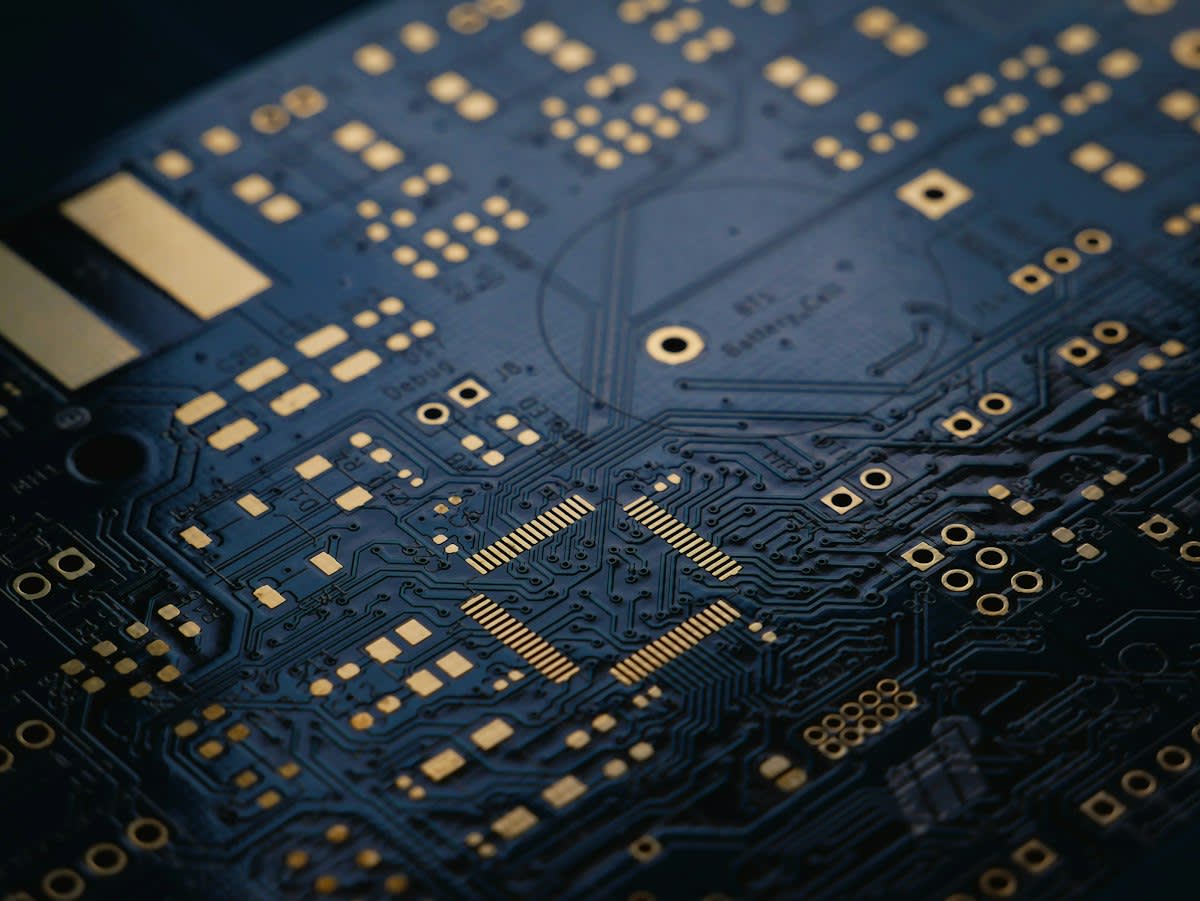
The boardrooms clash. IT directors scream for more H100s while the facility managers point to the thermal limits of the local substation with shaking fingers. This is the invisible war. The conflict is not about software versions but about the physical capacity of a transformer to handle a sudden 70% jump in load. Engineers are fighting for survival.
Storage is mandatory. To prevent the grid from collapsing, operators are deploying battery converters that respond in less than one millisecond to absorb or supply power (Source: Ampt, 2026). This smooths the peaks. By sizing upstream equipment closer to average demand rather than peak demand, operators can reduce costs. Adaptation is the only way forward.
AI Rack Power Demand Volatility
Executive Insight
+18.4%
YTD Growth
The future is electric. We must stop measuring compute by the number of chips and start measuring it by the available megawatts per square foot. The collision of demand and physics is inevitable. Those who secure the power first will win the race. The silicon is secondary.
Fact-Check & Accuracy Note
Verifiable data is sourced from Banco de Mexico (2026) regarding CPI cost indices, NVIDIA (2026) white papers on VDC architecture, and corporate filings from Siemens Energy and Ampt (2026). Academic debate continues regarding whether 800VDC is the ultimate ceiling or if higher voltages are required for 1MW+ racks.
Editorial Note
This analysis intentionally ignores the semiconductor pricing cycle to focus on the underlying physical infrastructure. The author's contrarian view is that the 'Compute Inflation' is actually 'Energy Inflation' masquerading as a tech trend.