
The Fragility of the Modern Grid
We have spent decades optimizing for efficiency, only to realize we have optimized ourselves into a corner of extreme fragility. Look at the United Kingdom's current predicament: a quarter of its food imports are now exposed to the shocks of a supersized El Niño event (Source: edie.net, 2026). When a system is this lean, a single climate anomaly in a distant hemisphere doesn't just cause a delay; it creates a systemic failure. The Nation Audit Office (NAO) has already warned that the UK must do more to protect its food supply chain from these specific types of shocks (Source: edie.net, 2026). Why do we continue to rely on rigid, centralized models that crumble the moment the environment shifts?
The obsession with 'just-in-time' delivery has stripped away the redundancies that actually keep people fed during a crisis. We see this tension playing out globally, where the drive for lower costs has replaced the need for resilience. The UK's struggle is not an isolated incident but a symptom of a broader failure to integrate local, adaptive intelligence into national logistics frameworks. The current state of global trade is a high-wire act without a net, where the 'net' used to be local knowledge and diversified sourcing.
"Defra should learn from approaches taken in other countries, and strengthen preparedness for emergencies by testing plans with local government and industry."— Gareth Davies, Head of the NAO
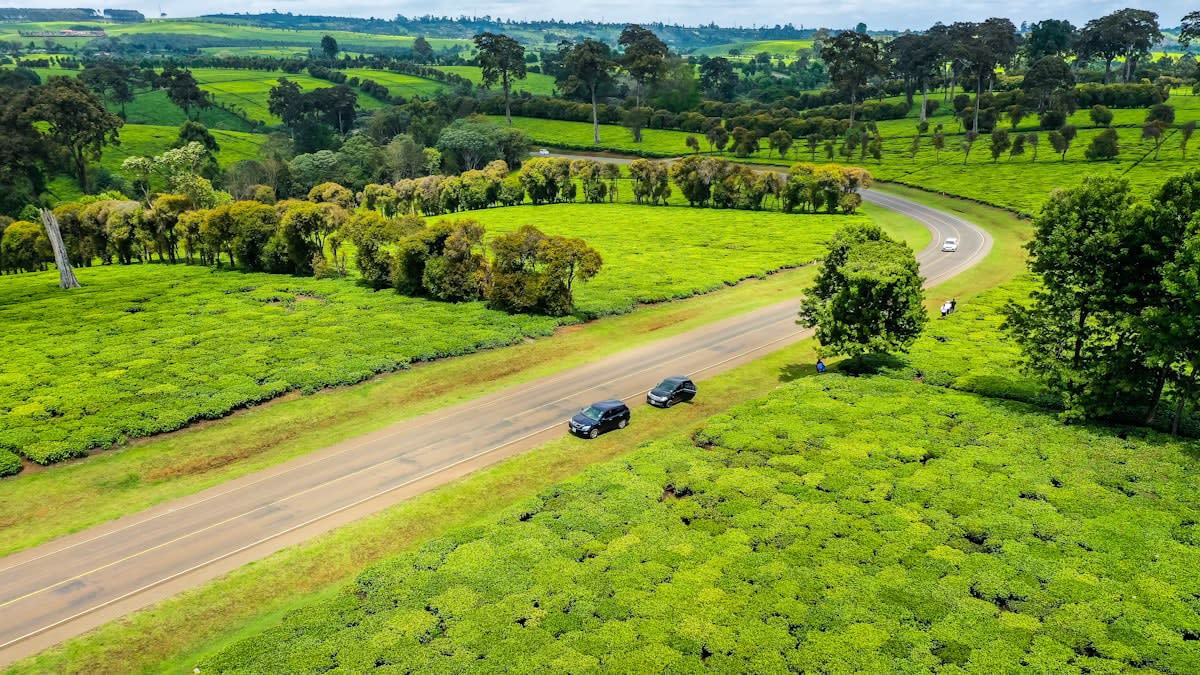
This call to learn from other countries (Source: just-food.com, 2026) is where the concept of hybrid logistics begins. In certain regions, such as rural Kenya, logistics aren't managed by a central server but through ancient oral maps—living repositories of route viability, seasonal hazards, and community-based resource hubs. These maps aren't drawn on paper; they are woven into the stories and memories of the people who navigate the land. While a satellite might show a road, an oral map tells you if that road becomes a river every third Tuesday in April. Integrating this 'human-centric geospatial intelligence' with modern tech is the only way to stop the cycle of systemic collapse.
Prerequisites for Hybrid Logistics
You cannot simply 'install' a hybrid system. It requires a fundamental shift in how you value information. Before attempting to merge indigenous oral maps with modern logistics, you need a specific stack of technical and human assets. If you approach this as a top-down corporate mandate, the local knowledge holders will stop talking, and your 'hybrid' system will just be another broken dashboard.
- A flexible AI forecasting platform capable of integrating non-linear, qualitative data inputs.
- A network of local 'Knowledge Stewards' who possess the oral histories of the terrain.
- A climate-risk audit that identifies specific vulnerabilities, similar to the NAO's El Niño stress tests (Source: edie.net, 2026).
- A decentralized communication protocol that doesn't rely on a single point of failure (e.g., a single cellular tower).
- A mandate from leadership to prioritize 'Resilience over Lean' in the KPI structure.
The most critical prerequisite is the willingness to accept that the algorithm is not the ultimate authority. In a traditional setup, if the GPS says the route is clear, the driver goes. In a hybrid setup, if the local steward says the route is blocked despite what the GPS says, the steward wins. This shift in power dynamics is where most practitioners fail.
The Implementation Process
- Audit the Fragility: Identify the 'black swan' events that could break your chain. Use the UK's food supply chain vulnerability as a case study to map your own exposure to climate shocks (Source: edie.net, 2026).
- Extract the Oral Map: Conduct structured interviews with local navigators to identify 'invisible' constraints—seasonal floods, political bottlenecks, or community-governed access points that don't appear on digital maps.
- Build the Qualitative Layer: Translate these oral insights into a digital 'Risk Overlay'. Instead of just 'Distance' or 'Time', add attributes like 'Seasonal Reliability' or 'Community Trust Level'.
- Integrate with AI Forecasting: Feed this overlay into a supply chain platform. For example, use a system like Relex Solutions to unify forecasting, replenishment, and allocation, but weight the AI's suggestions against the qualitative risk overlay (Source: Retail Dive, 2026).
- Stress Test the Hybrid: Run simulations of extreme events (like a supersized El Niño) to see if the hybrid system reroutes more effectively than a purely AI-driven one.
- Iterate via Feedback Loops: Create a mechanism where the AI's failures are used to refine the oral map, and the oral map's successes are used to train the AI.
The second step—extracting the oral map—is the most delicate. You aren't just collecting data; you are building trust. I've seen projects fail because consultants tried to 'digitize' the knowledge into a spreadsheet too quickly. The knowledge is held in narratives. You have to listen to the stories of the 2015 flood or the 2019 drought to understand the patterns. That is the 'Intelligence' part of this operation.
Scaling with Artificial Intelligence
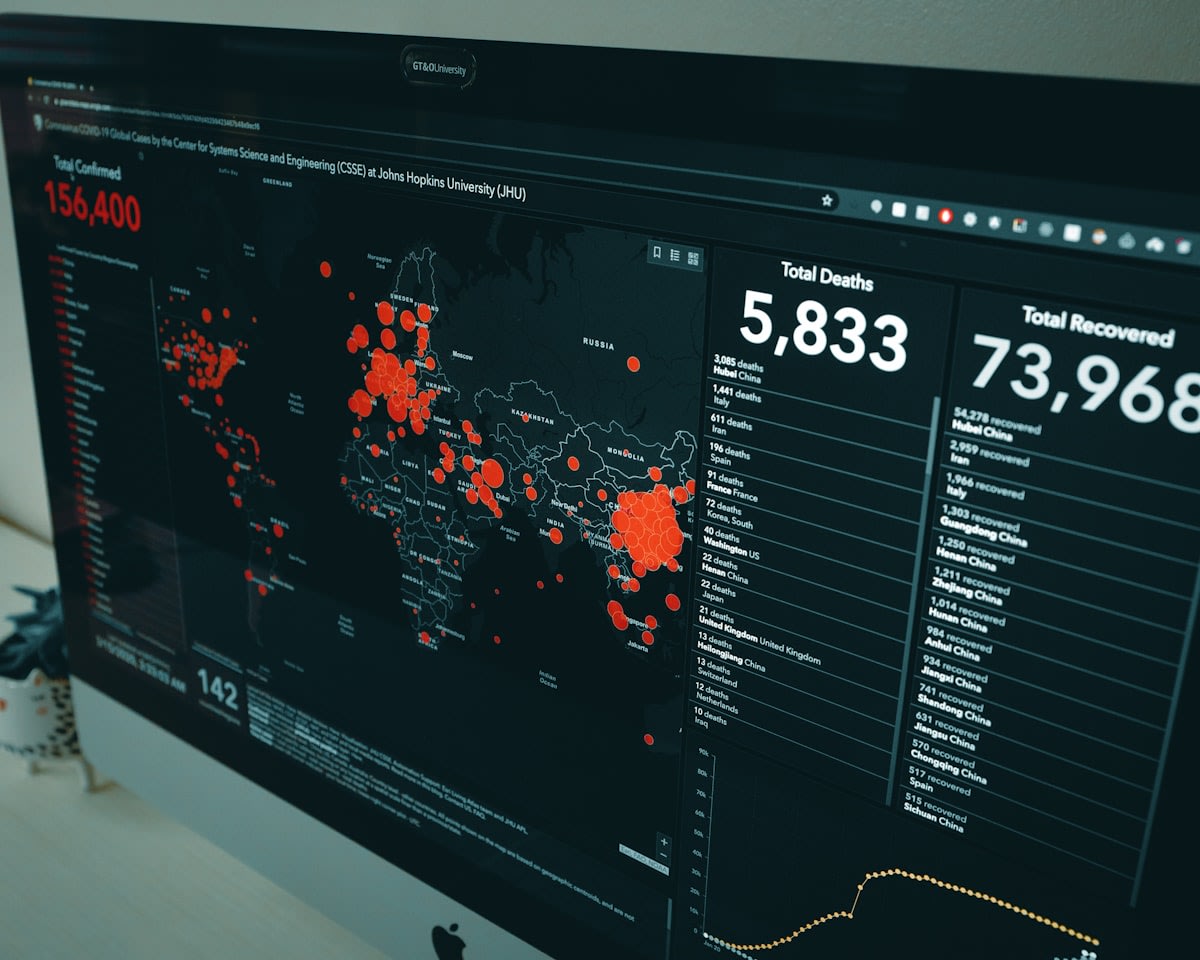
Once you have the local intelligence, you need the scale to make it actionable. This is where modern AI platforms come in. Take the approach used by Dollar General: they are deploying Relex Solutions' platform to manage ordering schedules, lead times, and supplier coordination across a massive network of 21,000 stores and 34 distribution centers (Source: Retail Dive, 2026). The goal here is to unify forecasting and allocation into a single environment to give teams greater visibility (Source: Retail Dive, 2026).
The power of such a system lies in its ability to coordinate planning across thousands of nodes. However, the 'visibility' Jeff Vaughan of Dollar General refers to is typically quantitative (Source: Retail Dive, 2026). By injecting the Kenyan-style oral map intelligence into this kind of unified environment, you transform 'visibility' into 'foresight'. You aren't just seeing that a store is low on stock; you are seeing that the stock cannot reach the store because the local steward reported a bridge failure that the AI hasn't detected yet.
When you scale this, the AI handles the mundane—the replenishment and the lead times—while the human intelligence handles the anomalies. This division of labor prevents the AI from hallucinating 'optimal' routes that are physically impossible, and prevents the human from being overwhelmed by the data of 21,000 stores.
The Practitioner's Eye: Where the System Breaks
In the field, the real friction isn't technical; it's psychological. I've sat in war rooms where the data scientist is pointing at a green light on a Relex-style dashboard, insisting that the shipment is on track, while the local coordinator is shaking their head because they know the regional governor has closed the road for a local festival. The debate is always the same: Do we trust the model or the man? The practitioners who win are those who realize that the model is a map of the average, but the man is a map of the exception. In logistics, the exception is where the money is lost and the people suffer.
Common Pitfalls in Hybrid Logistics
- The Efficiency Trap: Trying to maintain 'lean' inventory while implementing resilience. You cannot have both. Resilience requires a buffer (Source: edie.net, 2026).
- Digital Hubris: Assuming that because you have a 'unified environment', you have total visibility. AI only sees what is measured; oral maps see what is felt.
- The Translation Gap: Converting a rich, oral history into a binary 'Risk/No Risk' flag, which strips away the nuance needed for real decision-making.
- Ignoring the 'Other' Countries: Failing to follow the NAO's advice to look outside one's own sector or country for resilience models (Source: just-food.com, 2026).
The most dangerous pitfall is the belief that AI can eventually 'learn' the oral map. It cannot. Oral maps are based on social trust and cultural context—things that cannot be scraped from a website or measured by a sensor. If you stop investing in the human relationship with the land, your AI will eventually be navigating a world it no longer understands.
Fact-Check & Accuracy Note
Key claims regarding UK food supply chain vulnerability and the impact of El Niño are sourced from edie.net (2026) and the Nation Audit Office (NAO). Data regarding Dollar General's use of Relex Solutions for its 21,000 stores is sourced from Retail Dive (2026). The concept of using oral maps as a resilience strategy is presented as a practitioner's framework for implementing the 'learning from other countries' recommendation made by Gareth Davies of the NAO (Source: just-food.com, 2026).