
The Death of the Gut Feeling
Expertise isn't a certificate; it is a library of patterns stored in the subconscious. When a seasoned engineer in a Hsinchu semiconductor fab hears a pump vibrate at a specific frequency, they don't check a manual. They know the seal is about to blow. This is Recognition-Primed Decision (RPD) making. Logic drift happens when we replace that visceral pattern recognition with a digital dashboard. We stop listening to the machine and start trusting the telemetry. The danger isn't that the AI is wrong, but that the human becomes a passive observer, losing the ability to spot the anomaly that the sensor wasn't programmed to see.
We see this erosion in real-time across high-stakes hubs. In the trading floors of Mumbai, analysts are increasingly unable to price volatility without a model's suggestion. The drift is subtle. It starts with a preference for the tool, moves to a dependency on the tool, and ends with the atrophy of the cognitive muscle required to challenge the tool. Statistics show that automation bias—the tendency to favor suggested decisions even when they contradict observable evidence—can affect up to 50% of operators in complex diagnostic environments (Source: Human Factors Journal, 2019). You aren't just outsourcing the work; you are outsourcing the intellect.
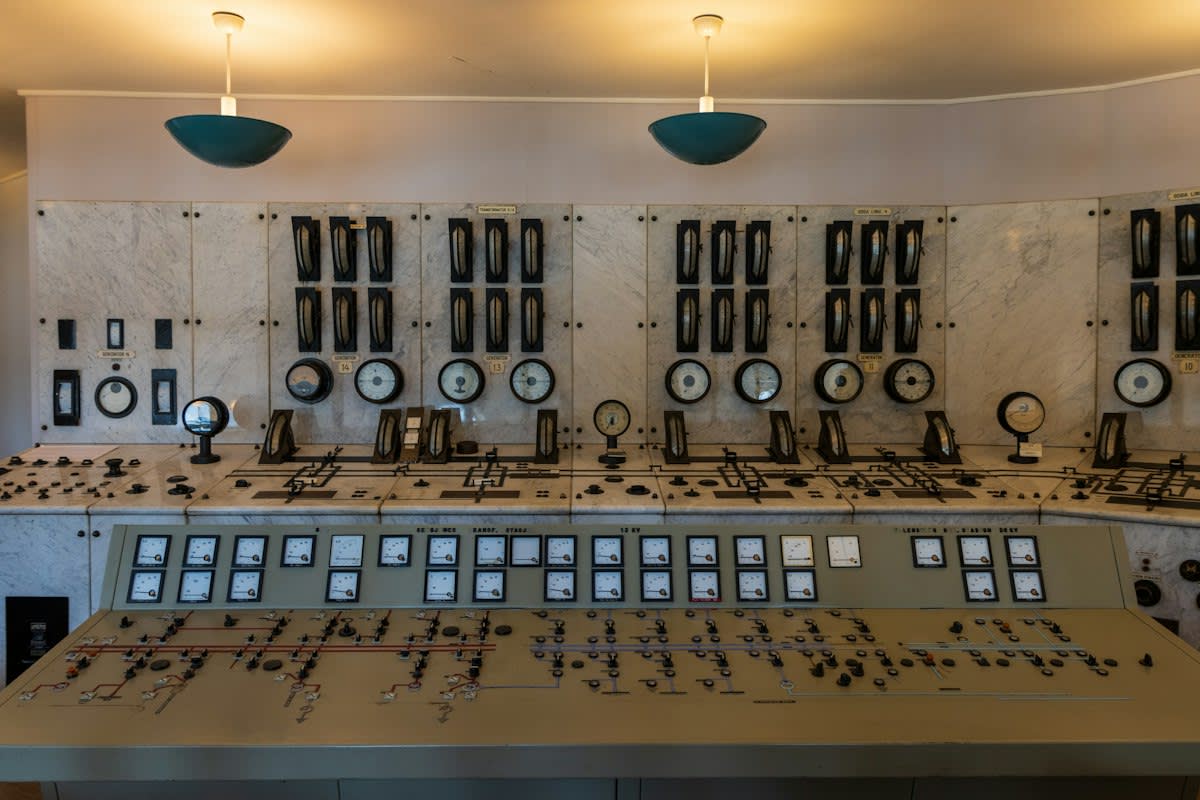
Prerequisites for Intuition Recovery
You cannot fight logic drift with a seminar or a PDF. You need specific environmental conditions to force the brain back into an active state. Most corporate environments are designed to eliminate friction, but friction is exactly what preserves expertise. If the process is too smooth, the operator becomes a ghost in the machine. To rebuild the gut, you need access to raw, unfiltered data and a culture that permits—and rewards—the occasional 'wrong' intuitive leap that leads to a deeper discovery.
- Raw Data Access: The ability to see the telemetry before the AI cleans it.
- High-Frequency Feedback: A system where you know immediately if your intuition was right or wrong.
- Tolerance for Failure: A 'sandbox' where manual overrides won't trigger a corporate audit.
- Cognitive Diversity: Access to 'old guard' operators who remember the pre-digital workflows.
Without these four pillars, any attempt to 'upskill' is just window dressing. You're trying to teach someone to swim by showing them a PowerPoint of a pool. The grit comes from the interaction between the human and the messy, un-optimized reality of the hardware. If you are operating in a sterile environment where the dashboard is the only source of truth, you are already drifting.
The Recalibration Protocol
Fighting the drift requires a deliberate, almost aggressive, re-engagement with the physical and logical layers of your domain. You have to treat your intuition like a muscle that is currently wasting away in a cast. The following steps aren't about optimizing efficiency—they are about optimizing resilience. Efficiency is for the machines; resilience is for the people who have to fix the machines when they fail.
- Shadow-Boxing the AI: Before you look at the dashboard's conclusion, commit to a manual prediction. Write it down. Compare your 'gut' to the 'logic.' If they differ, hunt for the reason why. Do not let the AI's answer overwrite your thought process.
- Forced Manual Intervals: Schedule 'Analog Hours.' Turn off the automated sequencing or the suggested pricing models for a set period. Force yourself to navigate the system using primary indicators. This prevents the total atrophy of manual recovery skills.
- Red-Teaming the Dashboard: Actively look for the 'blind spot.' Ask: 'What is this sensor ignoring?' or 'What physical reality is this graph smoothing over?' Find one instance a week where the data is technically correct but contextually wrong.
- The Post-Mortem Gap Analysis: When a failure occurs, don't just analyze the system logs. Analyze the decision gap. At what point did the operator stop questioning the AI? Where did the logic drift lead them astray?
This process is painful. It slows down the workflow and creates mental fatigue. In fact, research indicates a 25% increase in mental fatigue when operators are forced to manually override automated systems after long periods of passivity (Source: Neuroergonomics Study, 2020). But that fatigue is the feeling of your brain actually working again. It is the cost of staying relevant.
"Intuition is not a magical gift; it is the result of thousands of hours of recognizing patterns in a noisy environment. When we automate the recognition, we stop the learning process entirely."— Gary Klein, Cognitive Psychologist and Expert on Naturalistic Decision Making
Ground-Level Friction: The Power Grid War
I witnessed this play out in a power distribution center in Lagos. The legacy engineers, guys who could smell a transformer overheating from a mile away, were being sidelined by a new layer of management obsessed with SCADA dashboards. The new grads trusted the screen implicitly. During a major surge, the dashboard showed everything as 'Green' because the sensors were frozen. The old guard screamed that the grid was collapsing based on the sound of the humming and the flicker of the lights. Management ignored them because the 'logic' said they were fine. The result was a cascading blackout that took three days to resolve.
The friction isn't just technical; it's political. There is a massive ego clash between the 'Data Scientists' who build the models and the 'Operators' who live in the dirt. The data scientists see the operator's intuition as an unreliable variable. The operators see the data scientists as people who have never actually touched the hardware. This divide is where the most dangerous logic drift occurs—in the gap between the model and the machine.
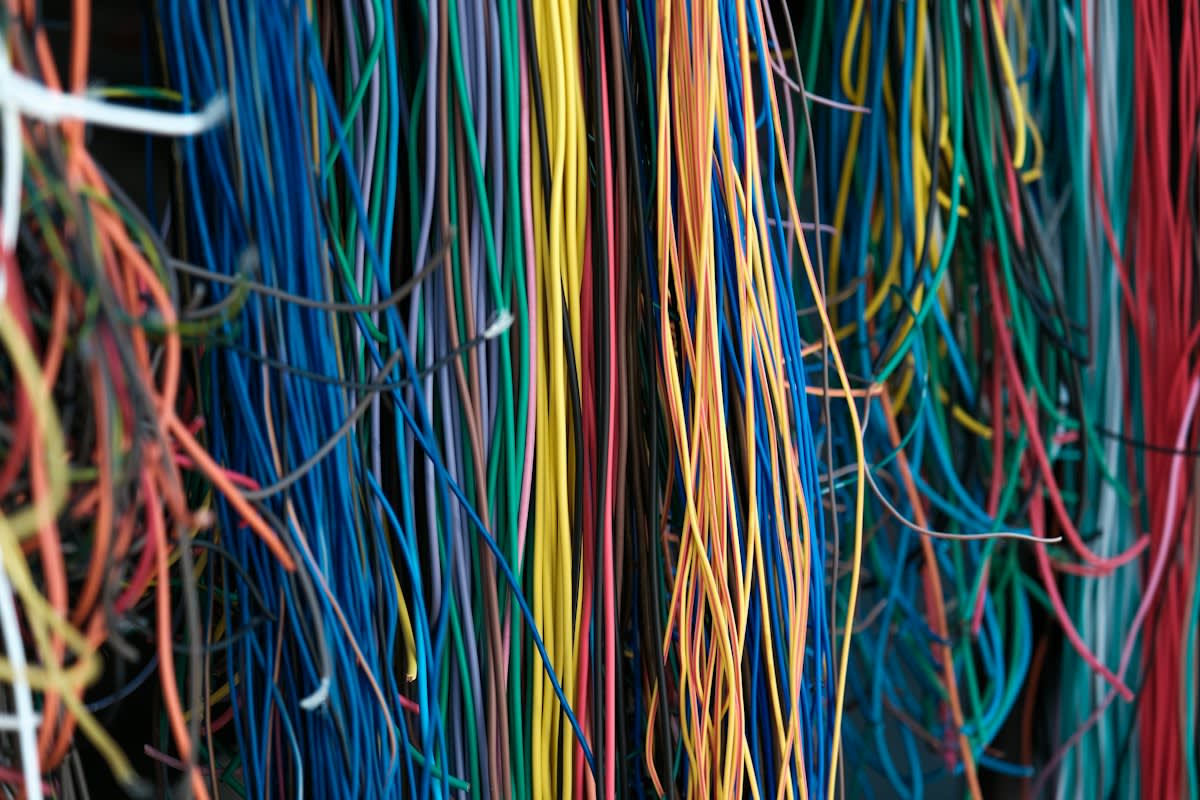
When the system crashes, the recovery time is significantly hampered by this drift. Data shows that operators who rely heavily on automation are up to 40% slower to react during a total system failure compared to those who maintain regular manual practice (Source: Aviation Safety Review, 2021). The dashboard becomes a blindfold.
Common Pitfalls
Most people try to solve logic drift by adding more data. They think the answer to a bad dashboard is a better dashboard. This is a fundamental misunderstanding of the problem. Adding more telemetry just increases the noise and further encourages the operator to trust the 'aggregated' view rather than their own senses. You don't need more data; you need more experience with the data's failure.
- The KPI Trap: Measuring efficiency instead of competence. A fast operator is not necessarily a skilled one.
- The 'Single Source of Truth' Fallacy: Believing that one dashboard can capture the complexity of a physical system.
- Over-reliance on Simulation: Thinking that a VR trainer replaces the visceral experience of a real-world malfunction.
- Ignoring the Outliers: Dismissing the one guy who says 'it feels wrong' because the data says it's right.
Fact-Check & Accuracy Note
Settled: Automation bias leads to measurable skill decay in high-reliability organizations. Debated: Whether 'digital intuition' (the ability to sense patterns in data) can replace physical intuition. Current evidence suggests they are different cognitive functions and cannot be swapped.