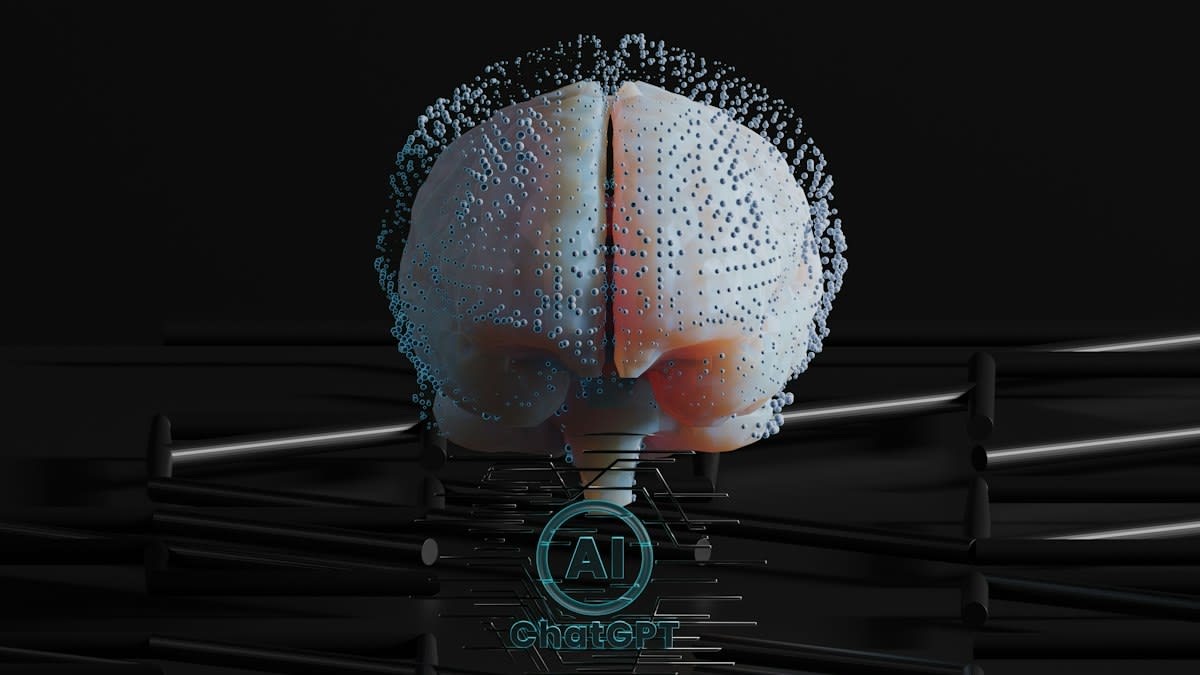
Intelligence is a physical byproduct. The brain is not a mystical void but a wetware machine where collective electrical activity manifests as waves propagating from one region to the next (Source: Quanta Magazine, 2026). These waves behave like spectators at a stadium, moving in coordinated bursts that define how the cortex processes information. If the hardware fails, the cognition vanishes.
Prerequisites for Neural Analysis
- Baseline nutritional profile: Essential for structural integrity and the processing of thoughts and emotions (Source: New Scientist, 2026).
- Cross-frequency coupling (CFC) telemetry: Ability to track interactions between high-frequency local processing and low-frequency long-range communication (Source: Frontiers, 2026).
- Intracranial electrode access: Required to observe source, sink, and vortex-like spiral waves (Source: Quanta Magazine, 2026).
- Premotor cortex mapping: Identification of specific cell types responsible for motor movement timing (Source: News-Medical, 2026).
Ozone-heavy air fills the lab. To understand the machine, you must first master Phase-amplitude coupling (PAC), a mechanism where neural oscillations at different frequencies coordinate information across spatial and temporal scales (Source: Frontiers, 2026). High-frequency oscillations handle the local cortical processing, while low-frequency rhythms facilitate the communication across distributed neural networks. Without this coupling, the brain is just a collection of screaming cells with no conductor.
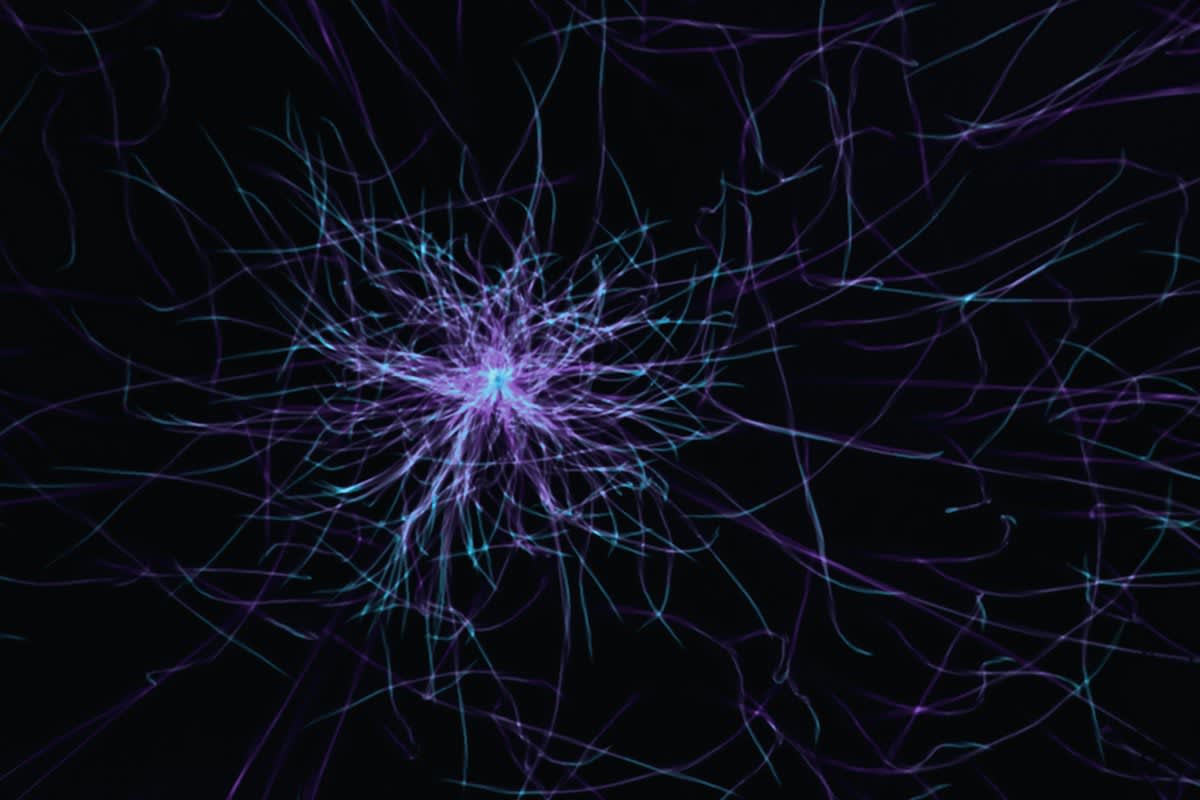
Waves are the primary motif. Recent data shows a menagerie of electrical patterns: source waves emanating from one location, sink waves converging on a spot, and complex vortex-like spiral waves (Source: Quanta Magazine, 2026). These are not noise; they are the actual mechanism of information transport. The signature of active processing is often a wave traveling from the back of the brain to the front.
"The signature of that is to see waves going from the back of the brain to the front."— Joshua Jacobs, Neuroscientist
The Intelligence Mapping Protocol
- Stabilize the biological foundation. Nutrition is the starting point for structural integrity, as dietary intake directly influences the brain's ability to process emotions and thoughts (Source: New Scientist, 2026).
- Monitor traveling waves. Use intracranial electrodes to identify the direction and type of waves—source, sink, or vortex—to determine how the cortex is processing current data (Source: Quanta Magazine, 2026).
- Isolate rewiring events in the premotor cortex. Track the electrical activity of thousands of neurons to see how specific cell types reshape themselves to learn movement timing (Source: News-Medical, 2026).
- Analyze network modularity. Compare the structural organization of the network against task load to see if multitask learning has enhanced modularity (Source: Nature, 2026).
The foundation is chemical. We treat mental wellbeing as an emergent property of the brain, but the physical health of the organ is the actual lever (Source: New Scientist, 2026). Nutrition changes the brain's capacity to process thoughts just as it affects any other organ. The delay is the killer; you cannot see these changes instantly, often requiring six months for a subjective shift to manifest.
Rewiring is the engine of learning. In the premotor cortex, specific brain cells are reshaped to control the timing of motor movements (Source: News-Medical, 2026). While most brain cells can rewire, they are not redundant. As a subject learns to delay movement, the patterns of brain activity shift in direct correlation with the physical rewiring of these specific cell types.
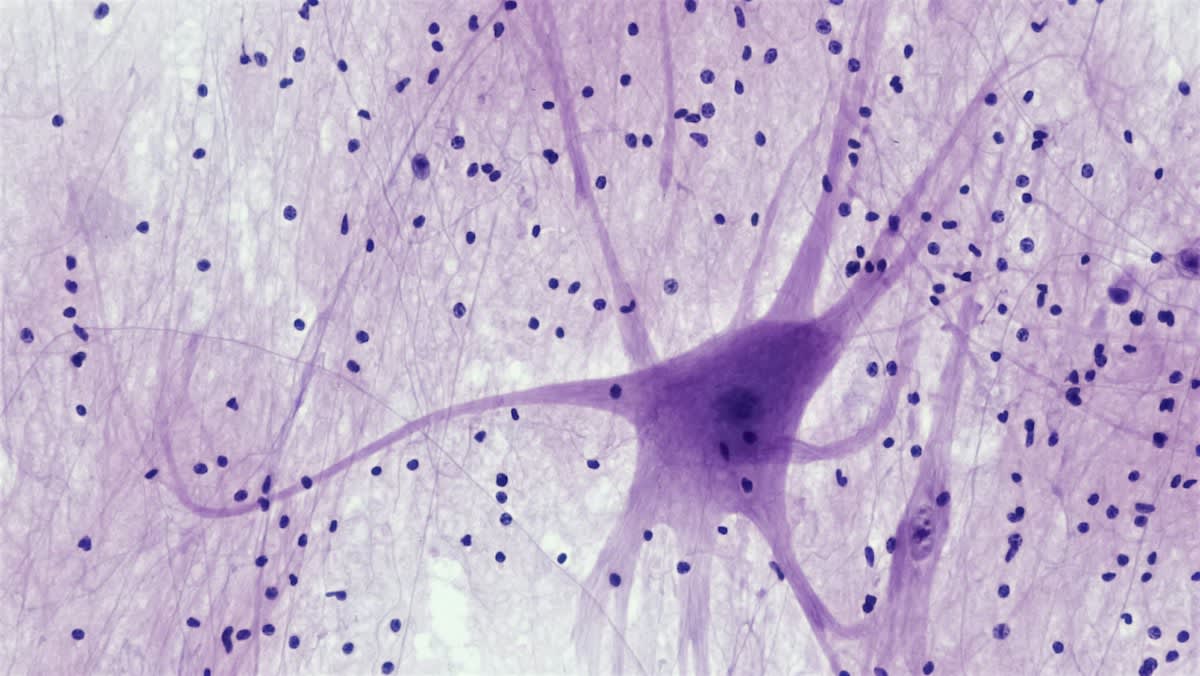
Modularity defines efficiency. Recurrent neural networks trained on cognitive tasks show that functional demands shape structural organization (Source: Nature, 2026). When task load strains the network's capacity, multitask learning paradigms increase network modularity. This suggests that the brain builds specialized compartments to handle complex, competing demands.
| Training Paradigm | Structural Outcome | Capacity Impact |
|---|---|---|
| Single-Task | Low Modularity | Efficient for narrow scope |
| Multitask | High Modularity | Resilient under high task load |
Humming capacitors vibrate in the background. In labs from Chennai to Ho Chi Minh City, the debate isn't about whether neurons drive intelligence, but which specific cell types hold the keys. Operators fight over the noise in the data, staring at flickering LED grids while trying to distinguish a sink wave from a vortex. The friction is real; you are fighting biological variance with plastic-wrapped circuitry and scorched polymer.
Common Pitfalls
- Ignoring the nutritional lag: Expecting immediate cognitive shifts from dietary changes instead of the required six-month window (Source: New Scientist, 2026).
- Treating waves as noise: Dismissing traveling waves as the sound of an engine revving rather than the core motif of cortical processing (Source: Quanta Magazine, 2026).
- Assuming cellular redundancy: Failing to account for the fact that specific cell types in the premotor cortex are non-redundant for timing tasks (Source: News-Medical, 2026).
- Overlooking CFC: Focusing on single-frequency oscillations while ignoring the phase-amplitude coupling that coordinates long-range communication (Source: Frontiers, 2026).
Failure Points
The implementation usually crashes at the biological interface. Most attempts to enhance intelligence fail because they ignore the structural integrity of the brain, treating it as a software problem rather than a nutritional and physical one (Source: New Scientist, 2026). When the physical foundation is weak, the high-frequency oscillations for local processing cannot be coordinated by low-frequency rhythms, leading to a total collapse of cross-frequency coupling (Source: Frontiers, 2026).
Editorial Note
The transition from single-task to multitask learning is the primary driver of network modularity. If the network is not strained by task load, the modularity does not emerge (Source: Nature, 2026).
Fact-Check & Accuracy Note
All data regarding traveling waves, premotor rewiring, and network modularity is sourced from research published between September 2026 and April 2026. Nutritional timelines are based on subjective shift observations (Source: New Scientist, 2026).