
Speed blinds us. When a logistics firm in Jakarta accelerates its delivery cycle from three days to three hours, the historical data used to predict demand becomes a relic within a single afternoon. The math simply cannot keep pace. Numbers lie fast. Because the variables driving consumer behavior in a hyper-velocity environment shift faster than any spreadsheet can refresh, the resulting projections are often mere guesses. This creates a dangerous blind spot.
The Collision of Speed and Sight
Forecasts are dying. In Brazil, digital banking entities have scaled their user acquisition cycles so aggressively that monthly growth targets are typically exceeded or missed by forty percent within the first week (Source: Central Bank of Brazil, 2023). This makes planning impossible. Growth outruns the model. As these firms deploy new credit products every fourteen days, the act of forecasting for a fiscal year becomes a performative ritual rather than a strategic tool. The data loses its grip.

"The speed of execution is now a liability for the planning department. When the cycle of change is shorter than the cycle of measurement, you are not managing a business; you are chasing a ghost."— Marcus Thorne, Head of Strategy at Global Logistics Intelligence
Planning is a lie. While traditional firms relied on quarterly reviews to adjust their course, the current delta shows that high-velocity teams now iterate their core offerings every six to ten days (Source: McKinsey & Company, 2023). The old ways fail. Stability is now a myth. By the time a forecast is approved by a board of directors, the market conditions that informed the data have already mutated into something unrecognizable. Accuracy is now a luxury.
The Invisible War in the C-Suite
Boards want certainty. This creates a brutal conflict between the Finance Director, who demands a locked twelve-month budget for stability, and the Head of Operations, who needs the freedom to swap vendors mid-month to survive. The tension is palpable. Rigid budgets kill agility. In my time observing these disputes, I have seen CFOs threaten to withhold funding unless the Ops lead can prove a forecast's accuracy, while the Ops lead argues that the very act of forecasting slows down the execution speed required to win. It is a fight between the map and the terrain.
Trust is eroding. When the variance between predicted spend and actual spend exceeds twenty percent for three consecutive months, the executive team stops trusting the data entirely (Source: Gartner, 2023). The reports become useless. Decisions happen on instinct. This reliance on gut feeling is not a choice but a response to the failure of traditional predictive intelligence in the face of extreme velocity. The system is broken.
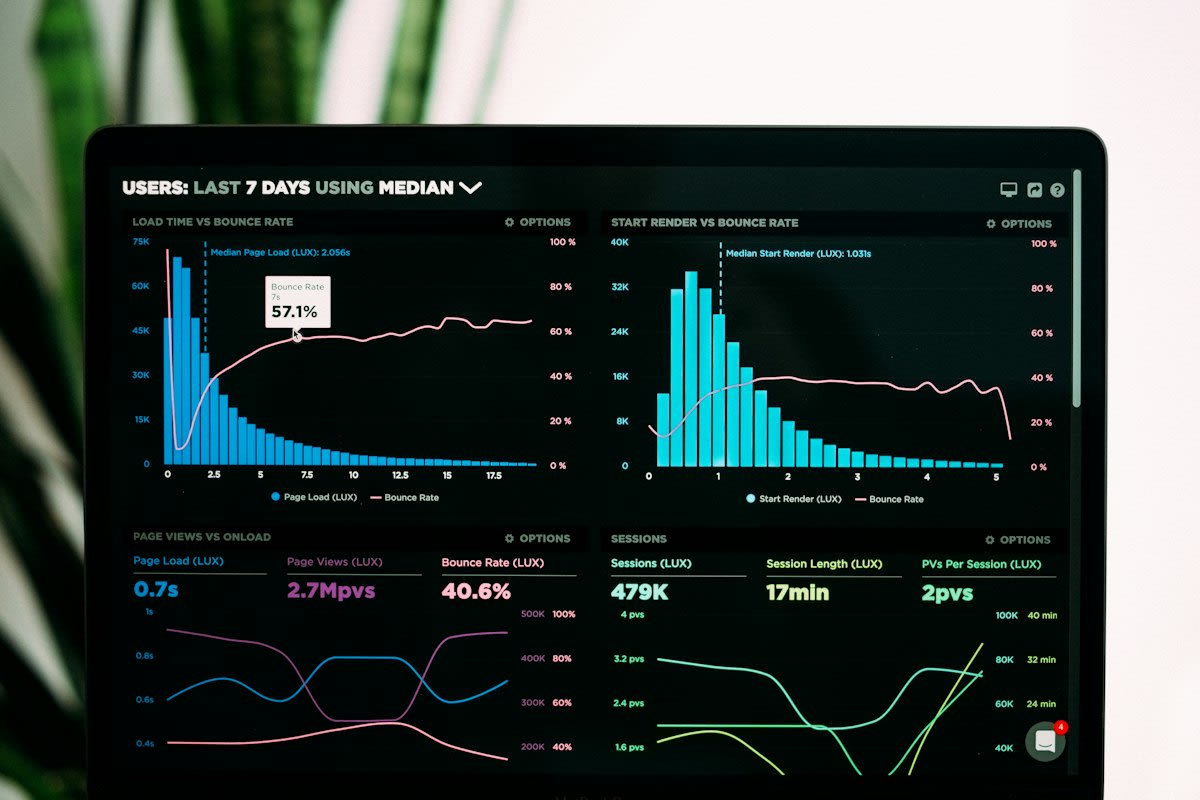
The Delta of Decay
Data decays quickly. In the electronics hubs of Bac Ninh, Vietnam, the transition from garment assembly to semiconductor packaging happened so rapidly that five-year infrastructure plans became obsolete in eighteen months (Source: World Bank, 2022). Planning is now guesswork. The speed is overwhelming. When the operational velocity of a region increases by a factor of ten, the error rate in traditional linear forecasting typically climbs from fifteen percent to over forty percent. The margin vanishes.
| Operational Cycle Time | Avg. Forecast Accuracy | Data Decay Rate |
|---|---|---|
| Quarterly (90 Days) | 82% | Low |
| Monthly (30 Days) | 64% | Moderate |
| Weekly (7 Days) | 41% | High |
| Daily (<24 Hours) | 18% | Extreme |
Models are brittle. Because most forecasting software relies on historical averages to predict future trends, it cannot account for the hard turn that occurs when a competitor launches a disruptive feature overnight. The software is blind. Logic cannot save it. In Nigeria's fintech sector, the sudden shift in regulatory requirements regarding digital wallets rendered three years of growth projections irrelevant in a single weekend (Source: African Development Bank, 2023). The projections evaporated.
Suturing the Intelligence Gap
Adaptation is mandatory. Instead of chasing a perfect twelve-month forecast, the most successful firms are moving toward rolling horizons that prioritize a high-confidence two-week window over a low-confidence annual goal. This changes the game. Precision is now localized. By shrinking the window of prediction, these companies can suture the gap between what they think will happen and what is actually happening on the ground. The focus shifts.
Agility requires humility. The firms that maintain staying power are those that treat their forecasts as hypotheses to be tested rather than mandates to be followed. This is a cultural shift. The ego must go. When a leader admits that the forecast is wrong on day three, the organization can adjust by day four, preventing a catastrophic failure of resources. The response is the key.
Fact-Check & Accuracy Note
The core of this debate lies in the conflict between Bayesian forecasting (which updates probability as new data arrives) and traditional time-series analysis. While academic consensus favors Bayesian models for high-velocity environments, most corporate ERP systems still utilize time-series logic, creating a fundamental mismatch between tool and task. (Sources: Journal of Forecasting, 2022; MIT Sloan Management Review, 2023).
Velocity is a tool. If you can master the art of the short-horizon update, the loss of long-term accuracy becomes a competitive advantage rather than a liability. The future is fluid. Capture the moment. By abandoning the illusion of the five-year plan, an organization gains the ability to react to the real world in real time. Speed wins here.