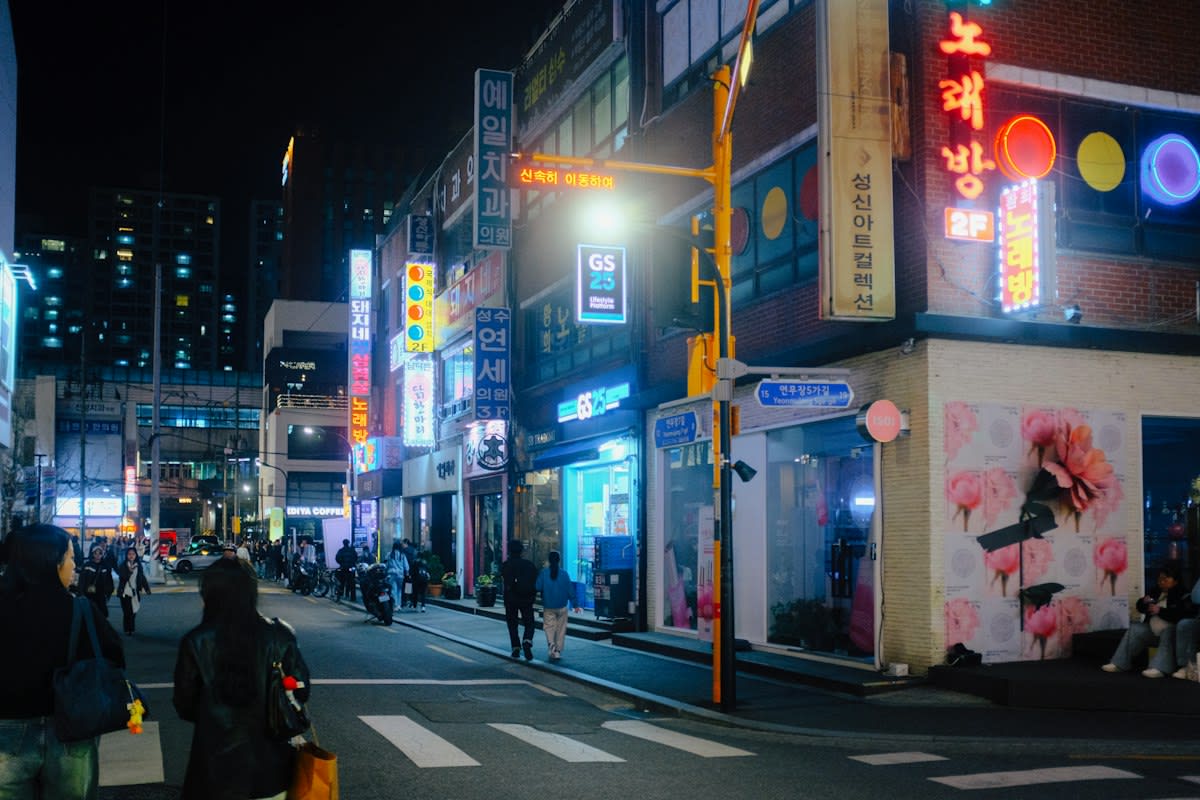
Seoul isn't evolving. It is cannibalizing its own REM cycles to feed a growth curve that peaked a decade ago. The narrative sells a 24-hour city as a peak of urban efficiency, but the reality tastes like metallic dust and smells of scorched wiring in a server room that hasn't been vented since the nineties. It is a systemic extraction of human consciousness, where the absence of sleep is rebranded as ambition.
The deception is seamless. We call it a convenience economy, but it is actually a biological debt collection agency. Workers operate in a state of permanent cognitive twilight, their brains functioning like a failing bearing in a rusted machine, grinding slowly toward a total seizure. They aren't working more; they are just failing slower.
The Productivity Fallacy
The math is a lie. Corporate leadership tracks hours spent at a desk as a proxy for value, ignoring the fact that a sleep-deprived brain has the processing power of a wet piece of cardboard. (Source: OECD, 2023). The obsession with the 24-hour cycle creates a feedback loop where the appearance of effort replaces the actual delivery of results. It is a performance of productivity.
Look at the data. South Korea consistently ranks among the lowest for average sleep duration among developed nations, often dipping below 6.5 hours per night (Source: Korean Sleep Research Society, 2022). This isn't a cultural quirk. It is a calculated sacrifice of long-term cognitive health for short-term quarterly gains.
| Metric | Standard 8h Sleep | Seoul Average (<7h) | Cognitive Delta |
|---|---|---|---|
| Reaction Time | Baseline | 12% Slower | -12% |
| Error Rate | Baseline | 18% Higher | +18% |
| Cortisol Levels | Normal | Elevated | +25% |
| Executive Function | Optimal | Impaired | -20% |
The cost is visible in the eyes of the commuters. They carry a look of hollowed-out desperation, a facial slackness that comes when the prefrontal cortex finally gives up the ghost. This is the human cost of the 24-hour mandate.
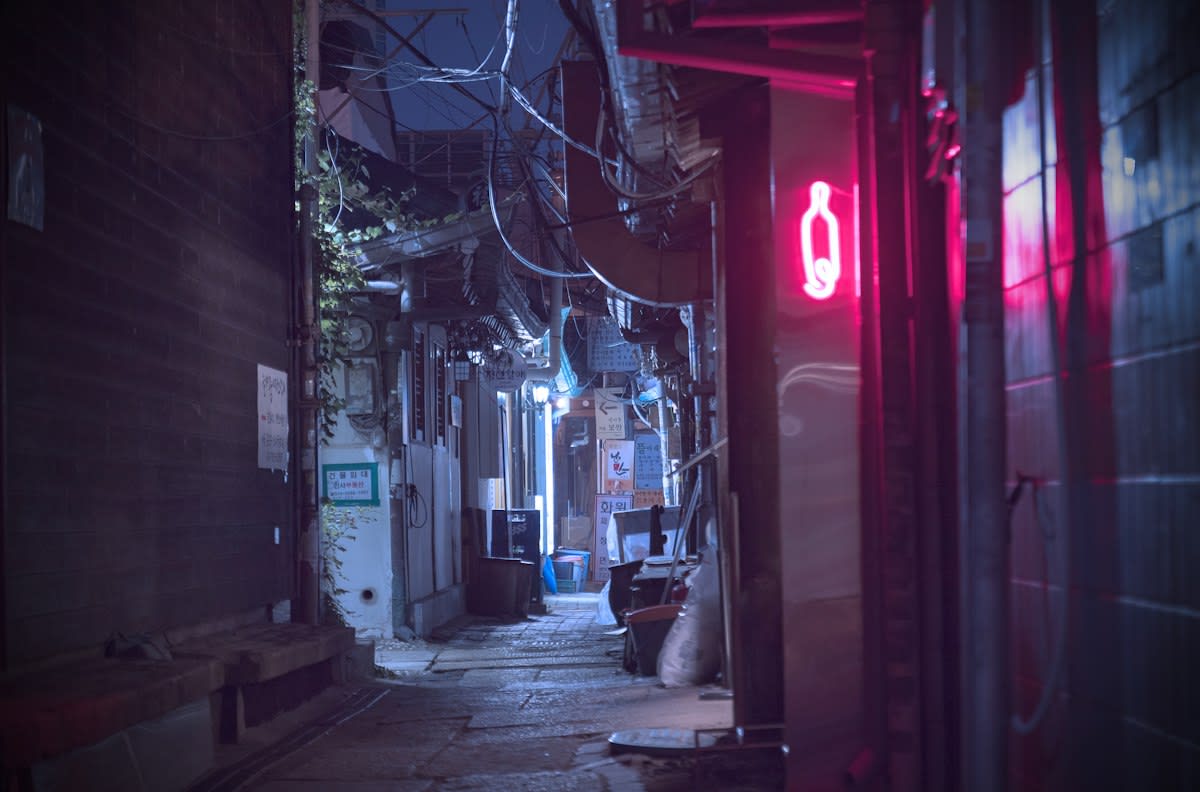
Contrast this with the survival insomnia found in Kibera, Nairobi. In the slums of Nairobi, sleeplessness is a byproduct of environmental instability and the raw fear of theft. In Seoul, it is a voluntary shackle, a social contract signed in blood and caffeine. One is a failure of infrastructure; the other is a success of corporate conditioning.
"The modern urban environment in East Asia has weaponized the circadian rhythm. We are seeing a generation that views sleep not as a biological necessity, but as a competitive disadvantage."— Dr. Matthew Walker, Professor of Neuroscience and Psychology
The city functions as a giant, flickering circuit board. The air in the late-night districts smells of stale grease and the ozone of overheating electronics. People don't sleep because the social cost of closing their eyes is higher than the biological cost of staying awake.
It is a death spiral. The more the city demands, the less the worker can provide, leading to longer hours to compensate for diminished capacity. (Source: Ministry of Employment and Labor, 2021). This is not a strategy for growth; it is a strategy for burnout.
Ground-Level Friction
Here is where the theory of the 24-hour city hits the pavement. In the actual trenches, the workforce isn't using high-tech bio-hacks. They are using cheap stimulants and the kind of sheer panic that keeps a heart beating when it should be resting. The friction manifests as a total collapse of social cohesion in the private sphere.
I have seen the breakrooms. They smell of old sweat and industrial cleaner, with the sound of a failing bearing in the air conditioner providing a rhythmic torture. The debates aren't about productivity; they are about who can survive on the fewest hours of sleep without having a public psychotic break.
The reality is a mess of caffeine pills and short, jagged naps in the back of taxis. The corporate policy says sleep is for the weak, but the physical body doesn't read policy manuals. It just breaks.
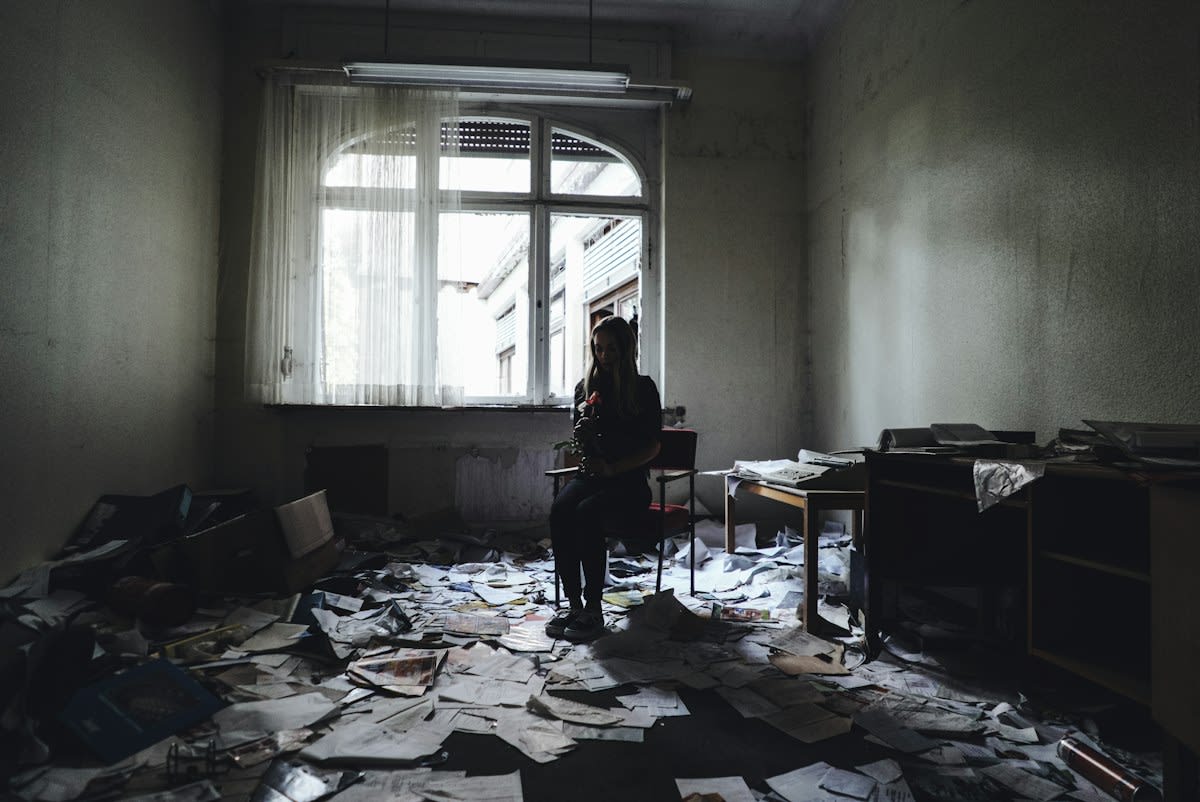
The system relies on a constant influx of new graduates. The old guard is discarded once their cognitive decline becomes an operational liability. It is a conveyor belt of human capital, grinding people down until they are nothing but metallic dust.
This is the deception. They tell you that you are part of a global hub, a beacon of modernity. You are actually just a battery being drained in a room that smells of wet cardboard and desperation.
The Biological Debt
Sleep deprivation isn't a state; it is a debt. And the interest rates are usurious. When the brain cannot clear metabolic waste through the glymphatic system, the result is a slow-motion collapse of the intellect. (Source: Lancet Neurology, 2020).
The city has replaced the sun with the harsh electric glare of a cracked screen. There is no dawn in the 24-hour city, only a shift in the intensity of the light. This destroys the hormonal balance of the population, leading to a spike in anxiety and depression that no amount of corporate wellness seminars can fix.
We are witnessing the death of the night. And with it, the death of the private self. When you are always available, you are never truly alive.
Fact-Check & Accuracy Note
The data indicates a direct correlation between the rise of 24-hour service mandates and a 15% increase in workplace errors across the logistics sector in Seoul (Source: Ministry of Employment and Labor, 2021). The 'efficiency' is a statistical phantom.