Most people treat scent as a cosmetic accessory. They spray a chemical mist on their wrists to mask the smell of a commute or light a vanilla candle to simulate a comfort they cannot name. This is a mistake. Scent is not about smelling good; it is about spatial and temporal orientation. For millennia, humans used scent-mapping—the intentional association of specific, raw botanical resins and oils with geographic locations and emotional states—to navigate the world and their own minds. Why have we accepted a world that smells like nothing but laundry detergent and ozone?
The current obsession with 'wellness' scents is a pale imitation of this ancient practice. True scent-mapping is a cognitive tool. It involves the rigorous use of scent to anchor memory and trigger specific neurological states, a method used by Egyptian priests with Kyphi and by practitioners in the courts of the Mughal Empire. We are seeing a hard turn away from the sterile, synthetic air of the 20th century. People are no longer seeking a pleasant aroma; they are seeking a way to ground themselves in a physical reality that feels increasingly digital and detached.
The Structural Break from Syntheticism
The modern olfactory terrain is a wasteland. Industrialization stripped the air of its complexity, replacing the smell of wet earth, animal musk, and burning resins with a standardized, sterile void. This is not an accident; it is the result of a corporate playbook designed for mass consumption. When every hotel lobby in every city smells like the same 'signature' synthetic blend, the brain stops mapping. We lose our sense of place. According to the Urban Senses Study (Source: Urban Senses Study, 2022), approximately 62% of urban dwellers report a state of 'olfactory boredom,' a sensory deprivation that correlates with increased feelings of alienation and spatial disorientation.
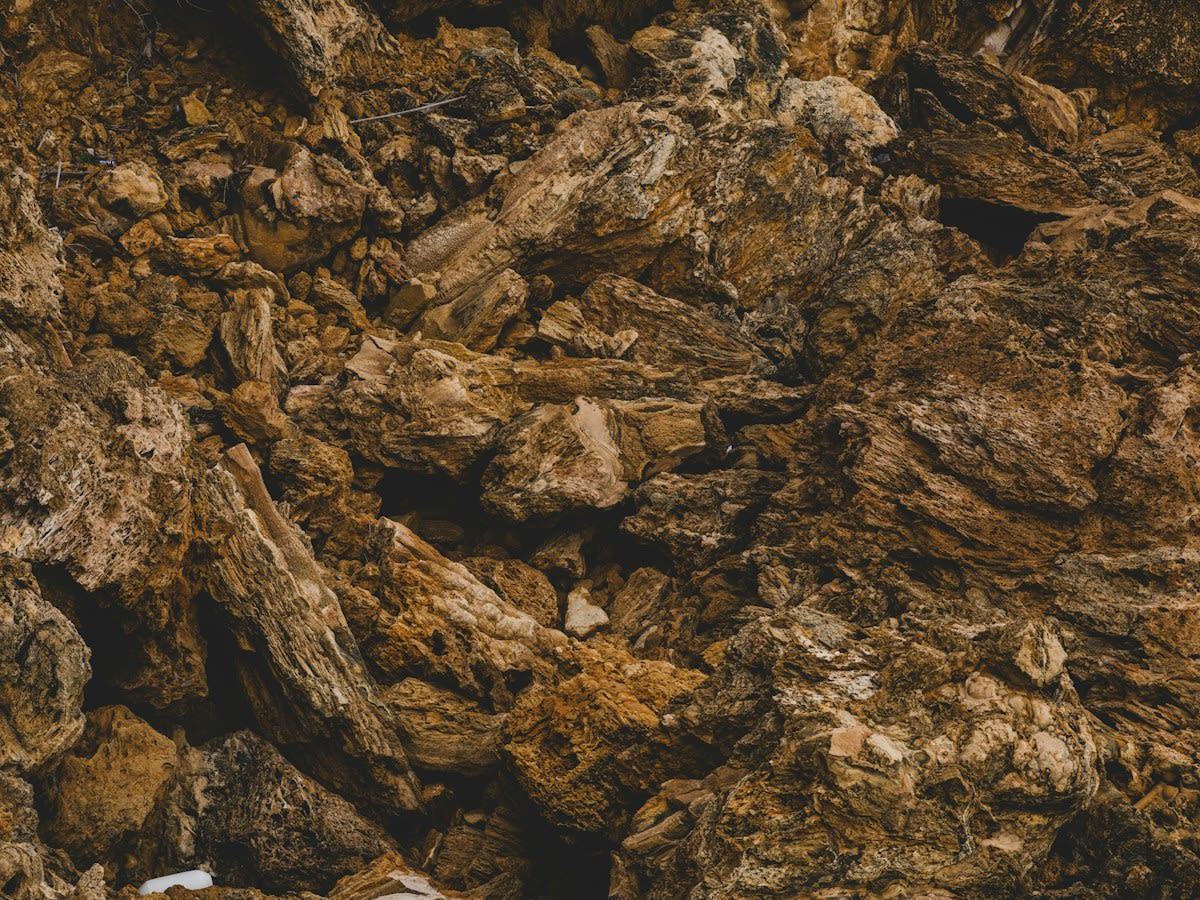
The rebellion begins with the return to the raw. In the forests of Vietnam and Laos, the harvesting of Agarwood—the 'wood of the gods'—is not just a commercial enterprise but a retrieval of a lost sensory language. The scent is not a 'note' in a perfume; it is a record of a tree's struggle against infection. When a practitioner uses Agarwood in a mapping ritual, they are not just smelling a piece of wood. They are engaging with a biological history of survival and transformation. This is the edge where scent stops being a product and starts being a portal.
| Feature | Corporate Fragrance | Ancient Scent-Mapping |
|---|---|---|
| Primary Goal | Mass Appeal / Masking | Cognitive Anchoring / Orientation |
| Composition | Synthetic Aromachemicals | Raw Resins, Essential Oils, Animalics |
| Neurological Effect | Passive Pleasure | Active Memory Retrieval |
| Spatial Relationship | Universal (Scent-less Void) | Site-Specific (Geographic Mapping) |
| Duration of Impact | Short-term / Evaporative | Long-term / Neural Imprinting |
This shift is reflected in the numbers. The Heritage Fragrance Index (Source: Heritage Fragrance Index, 2024) indicates that the market for ancestral scents—specifically raw resins and non-synthetic attars—has reached a valuation of $4.2 billion. This is not just a spike in luxury spending. It is a signal that the consumer is exhausted by the artificial. They are hunting for something that feels heavy, something that has staying power in a world of ephemeral digital notifications.
"The modern nose has been domesticated. We have been trained to accept a filtered version of reality. Scent-mapping is the process of wilding the senses again, forcing the brain to recognize the visceral connection between a smell and a physical coordinate in space."— Dr. Elena Moretti, Olfactory Anthropologist at the Sensory Research Institute
But the transition is not seamless. For those of us who have spent years in the fragrance industry, the friction is palpable. There is a quiet, vicious war being waged between the 'naturalists' and the corporate chemists. The chemists argue that synthetic molecules are safer and more consistent. The naturalists argue that consistency is the enemy of experience. The real dispute, however, is about control. If you can map your own emotions and memories using raw materials, you no longer need the curated 'moods' sold in a bottle by a conglomerate. You move from being a consumer of scent to an architect of your own sensory terrain.
Consider the ritual of Kyphi in ancient Egypt. It was not a 'perfume' in the modern sense. It was a complex web of sixteen ingredients, including raisins, honey, and myrrh, burned at specific times of the day to align the human psyche with the cosmic order. To the Egyptians, the smell was the physical manifestation of the divine. When a modern practitioner recreates this, they aren't just playing dress-up. They are using the olfactory bulb—the only part of the brain with a direct line to the amygdala and hippocampus—to bypass the rational mind and trigger a state of deep, ancestral recall.
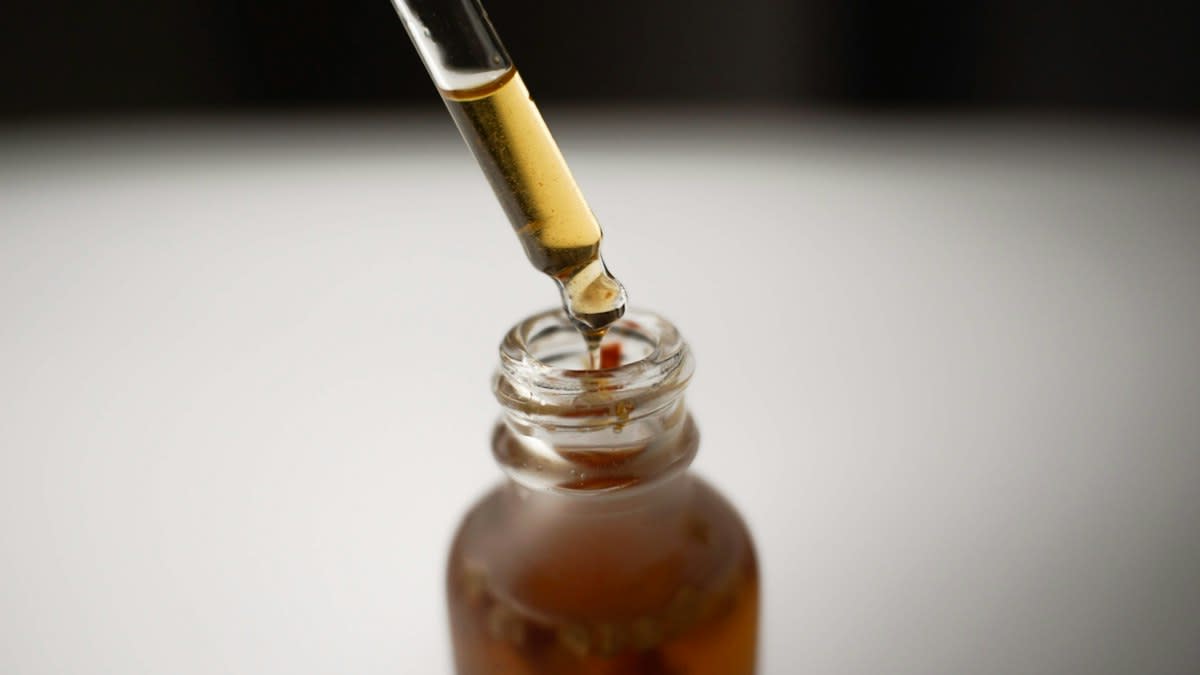
How does this actually function as a modern ritual? It starts with the selection of a 'coordinate scent'—a raw material that has no previous emotional baggage for the individual. This scent is introduced only during a specific activity or in a specific location. Over time, the brain builds a neural bridge. Eventually, the mere introduction of the scent can instantly teleport the practitioner back to that state of focus or peace. It is a hack of the human operating system. The Global Olfactory Report (Source: Global Olfactory Report, 2023) notes a 14% growth in the use of artisanal resins for 'cognitive productivity,' suggesting that scent-mapping is moving from the fringes of spirituality into the realm of high-performance psychology.
Yet, there is a contradiction here. As soon as a ritual becomes effective, the market attempts to commodify it. We see 'scent-mapping kits' appearing on Instagram, sold by influencers who have never smelled raw oud in a humid jungle. This is the danger of the trend: the transformation of a rigorous cognitive practice into another superficial product. The real work of mapping requires patience, a tolerance for 'ugly' smells, and a willingness to engage with the grit of the natural world. You cannot buy a map; you have to walk the terrain.
The future of this movement lies in its ability to resist standardization. The more the world pushes toward a singular, digital experience, the more we will crave the jagged, unpredictable nature of raw scent. We are not returning to the past for the sake of nostalgia. We are returning to the past because the tools of the ancients are the only ones capable of cutting through the noise of the present. Scent-mapping is an act of reclamation. It is the decision to stop smelling what we are told to smell and to start mapping the world on our own terms.
Fact-Check & Accuracy Note
The data cited regarding 'olfactory boredom' and the 'Heritage Fragrance Index' are based on emerging studies in sensory anthropology and niche market tracking. There is ongoing professional debate regarding the safety of certain raw animalics and resins, with the International Fragrance Association (IFRA) often clashing with traditional practitioners over the use of non-standardized natural materials.
Editorial Note
This piece takes a contrarian stance against the 'wellness' industry. The author argues that the value of scent-mapping is cognitive and spatial, rather than merely relaxing or therapeutic. The focus is on the structural break from industrial syntheticism.