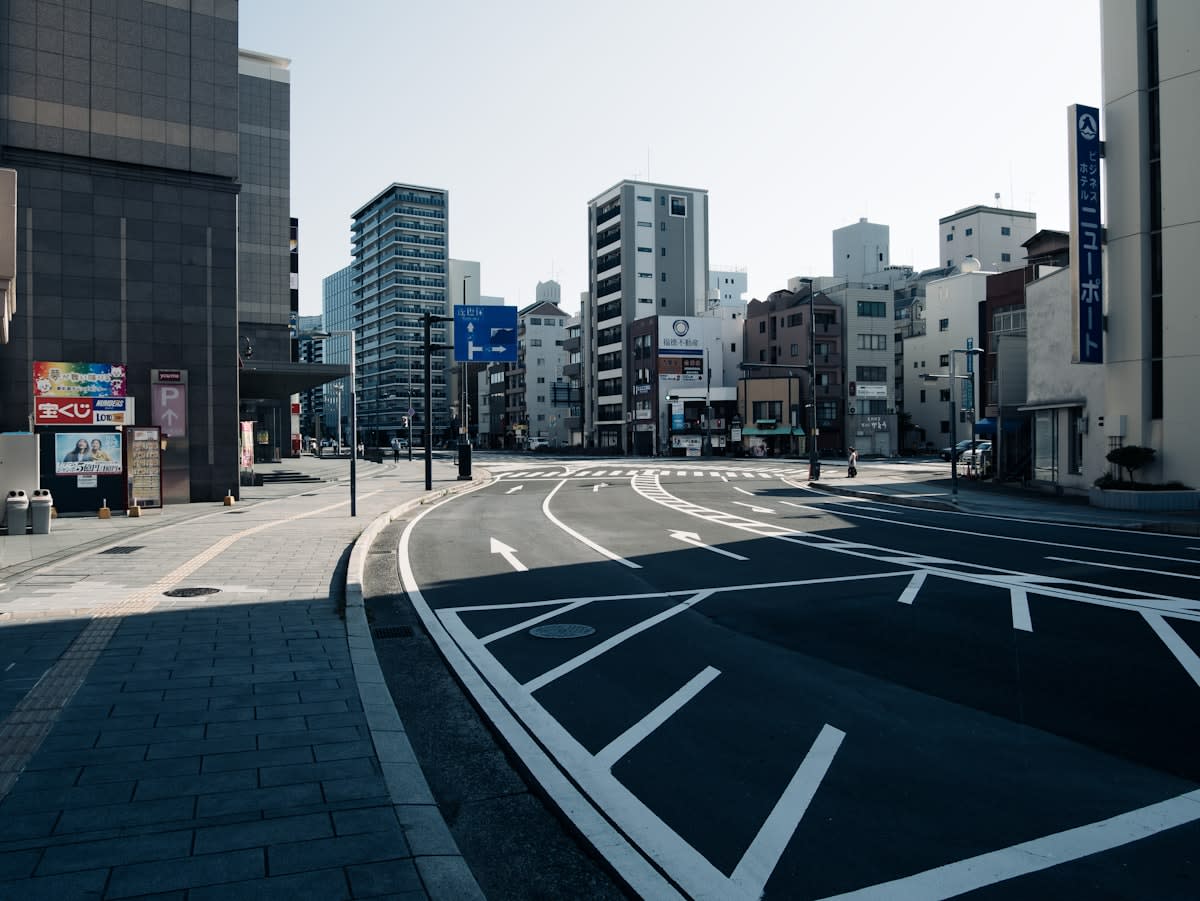
The prevailing narrative surrounding the 'loneliness epidemic' is obsessed with nostalgia. We mourn the loss of the village green, the neighborhood pub, and the local library as if these were the only possible conduits for human connection. This perspective is flawed. It views the decline of the Third Space—those environments separate from the two primary social environments of home and work—as a tragedy of disappearance. In reality, we are witnessing a systemic migration. The social energy hasn't evaporated; it has simply been priced out of the physical realm or pushed into digital architectures that we have yet to properly categorize as 'spaces' of belonging.
The crisis is not one of availability, but of accessibility. For decades, the Third Space functioned as a social equalizer, a place where the barrier to entry was negligible. Today, we see the 'Commercialization of Presence.' Whether it is the high-end coffee shop in Seoul or the curated co-working space in Berlin, the price of admission is now a transaction. When the cost of staying in a space is tied to continuous consumption, the space ceases to be a community hub and becomes a commercial node. We have replaced the civic plaza with the retail atrium, and we wonder why people feel isolated despite being surrounded by crowds.
The Paywall of Presence
Why does this shift matter? Because the psychology of a 'free' space differs fundamentally from that of a 'paid' space. In a truly non-commercial Third Space, the primary currency is social capital—conversation, shared interests, and spontaneous interaction. Once a space requires a financial transaction for entry, the power dynamic shifts. The individual is no longer a citizen or a neighbor; they are a customer. This transition fundamentally alters the nature of the interactions that occur. You don't strike up a conversation with a stranger in a high-pressure retail environment the same way you do in a public park or a community center.
This commercialization is a global phenomenon, though it manifests differently across regions. In North America, the death of the shopping mall—once a distorted version of the town square—has left a vacuum that is being filled by gated digital communities. In Europe, the traditional cafe culture is increasingly under pressure from corporate chains that prioritize turnover (the 'fast-casual' model) over lingering. The result is a systemic erosion of 'low-stakes' social interaction. We have optimized our environments for efficiency and revenue, accidentally deleting the friction that allows organic community to form.
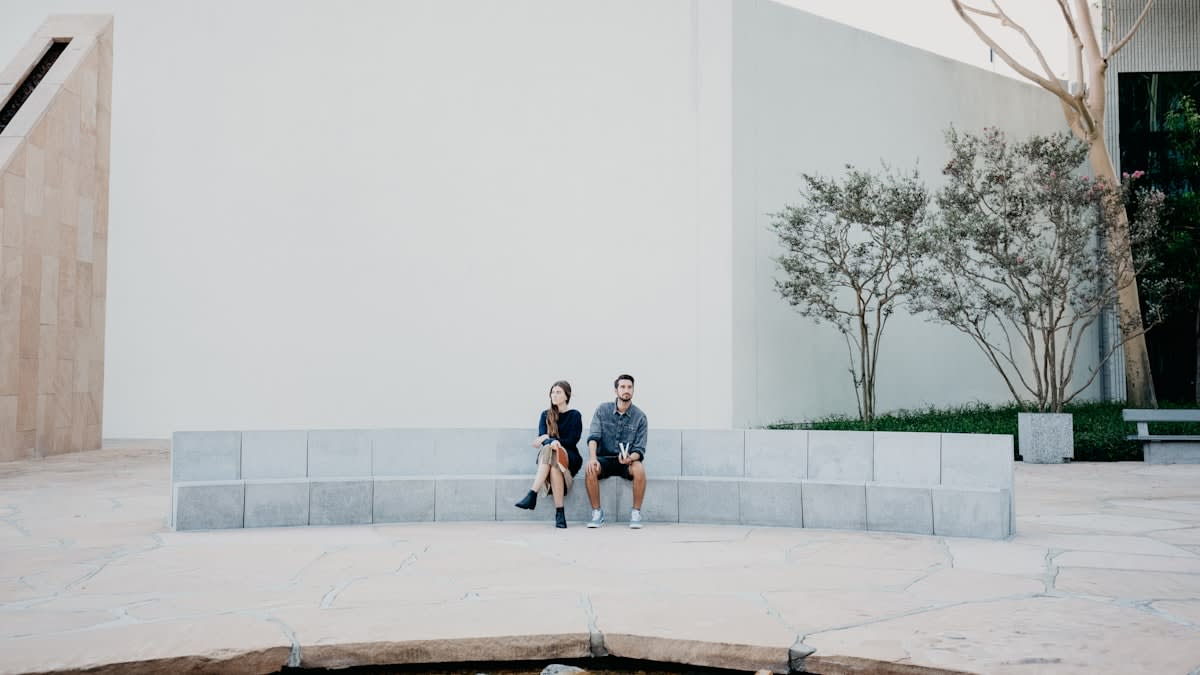
This is not merely a loss of physical square footage; it is a loss of social safety nets. Third Spaces historically acted as 'weak tie' networks. These are the acquaintances, the regulars, and the distant neighbors who provide essential information, emotional support, and a sense of belonging without the intensity of close family or friendship. When these spaces vanish, we are left with a binary social life: the intimacy of the home and the productivity of the office. There is no middle ground, no place to simply 'be' without a predefined role or a credit card.
"The tragedy of the modern city is that we have built thousands of places to buy things, but almost nowhere to simply exist together."— Strategic Analyst, Urban Sociology Perspective
To understand the scale of this shift, we must look at how different cultures are adapting to the loss of traditional hubs. In Japan, the rise of 'Internet Cafes' and niche game centers represents a survival strategy. These are not traditional Third Spaces, but they provide a sanctuary for those who find the pressures of the first and second spaces unbearable. In Brazil, the vibrant street-food culture and 'botecos' continue to serve as vital social arteries, though even these are facing pressure from the gentrification of urban centers. The common thread is a desperate search for 'unmanaged' space.
The bridge to the future, however, is not a return to the 1950s town square. That is a fantasy. The real opportunity lies in recognizing that the human need for a Third Space is constant, even if the medium changes. We are currently in a period of awkward transition where our physical infrastructure is obsolete, and our digital infrastructure is extractive.
The Digital Pivot: New Nodes of Belonging
Enter the digital Third Space. Platforms like Discord, specialized gaming guilds, and niche online forums are not just 'replacements' for physical gathering; they are new species of social architecture. For many, a Discord server is more of a 'Third Space' than a local library could ever be. It offers a level of curated interest and accessibility that transcends geography. In these spaces, the barrier to entry is not financial, but social—you must share a passion, a language, or a goal. This is a systemic shift from geography-based community to interest-based community.
However, the digital pivot comes with a steep cost: the loss of serendipity. Physical Third Spaces allow for 'collision'—the accidental meeting of people from different socioeconomic backgrounds or ideological perspectives. Digital spaces, by their very design, are echo chambers. We curate our surroundings to exclude the uncomfortable, the different, and the unexpected. While we may feel less lonely in a digital community, we are becoming more polarized because we have traded the 'messy' public square for a 'clean' digital silo.
| Metric | Traditional Third Space | Commercialized Space | Digital Third Space |
|---|---|---|---|
| Barrier to Entry | Near Zero | Financial (Transaction) | Social (Interest/Access) |
| Primary Currency | Social Capital | Financial Capital | Attention/Engagement |
| Interaction Type | Serendipitous/Diverse | Transactional/Brief | Curated/Homogeneous |
| Ownership | Public/Civic | Private/Corporate | Platform/Algorithm |
| Psychological State | Belonging | Consumption | Identification |
The data suggests a widening gap in social resilience. In regions where public infrastructure has been aggressively defunded—such as certain metropolitan areas in the US or austerity-hit cities in the UK—the reliance on digital Third Spaces is near total. This creates a fragile social ecosystem. When your primary source of community is owned by a corporation that can change the algorithm or the terms of service overnight, your sense of belonging is effectively leased, not owned.
We must stop framing this as a 'crisis' of loneliness and start framing it as a failure of urban and digital design. The loneliness epidemic is a symptom of a world where it is too expensive to exist in public and too isolating to exist in private. The solution is not to build more 'community centers' in the traditional sense, but to design 'Hybrid Spaces'—environments that blend the accessibility of the public square with the curated interest of the digital node.

Designing for Resilience
The path forward requires a radical reimagining of the 'non-commercial' aspect of gathering. Cities that are succeeding in this transition are those that incentivize 'social infrastructure.' This includes everything from the 'superblocks' of Barcelona, which reclaim streets from cars for pedestrians, to the integration of public libraries with maker-spaces and tool-lending libraries. These aren't just services; they are anchors. They give people a reason to leave the house that isn't tied to spending money.
Furthermore, we must demand 'Digital Commons.' If the digital world is to be our new Third Space, it cannot be entirely owned by three or four trillion-dollar companies. We need decentralized protocols for community gathering—spaces that are governed by the users, not by engagement metrics designed to maximize ad revenue. The goal is to recreate the serendipity and the low-stakes nature of the physical plaza in a digital medium.
Ultimately, the 'Third Space Crisis' is a signal that our current definition of productivity has cannibalized our capacity for leisure. When every hour of our day is optimized for either earning or recovering for the sake of earning, the Third Space becomes an inefficiency. But social inefficiency is exactly where community happens. The 'waste' of time spent chatting with a stranger or lounging in a park is actually the primary investment in a society's mental health and political stability.
We are not witnessing the end of community, but the birth of a new, more complex form of sociality. The challenge for the next decade is to ensure that this new architecture of belonging is not gated by a paywall or an algorithm. If we can decouple the act of gathering from the act of consuming, we can solve the loneliness epidemic not by looking backward, but by designing forward.