#urban sociology
Discover 10 curated intelligence briefings related to this specific topic.

The Weightless Fallacy: Why Heavy Iron Fails the Functional Athlete
A skeptical examination of the biological and mechanical costs of weight-dependency in sports, advocating for the mastery of gravity over the accumulation of plates.
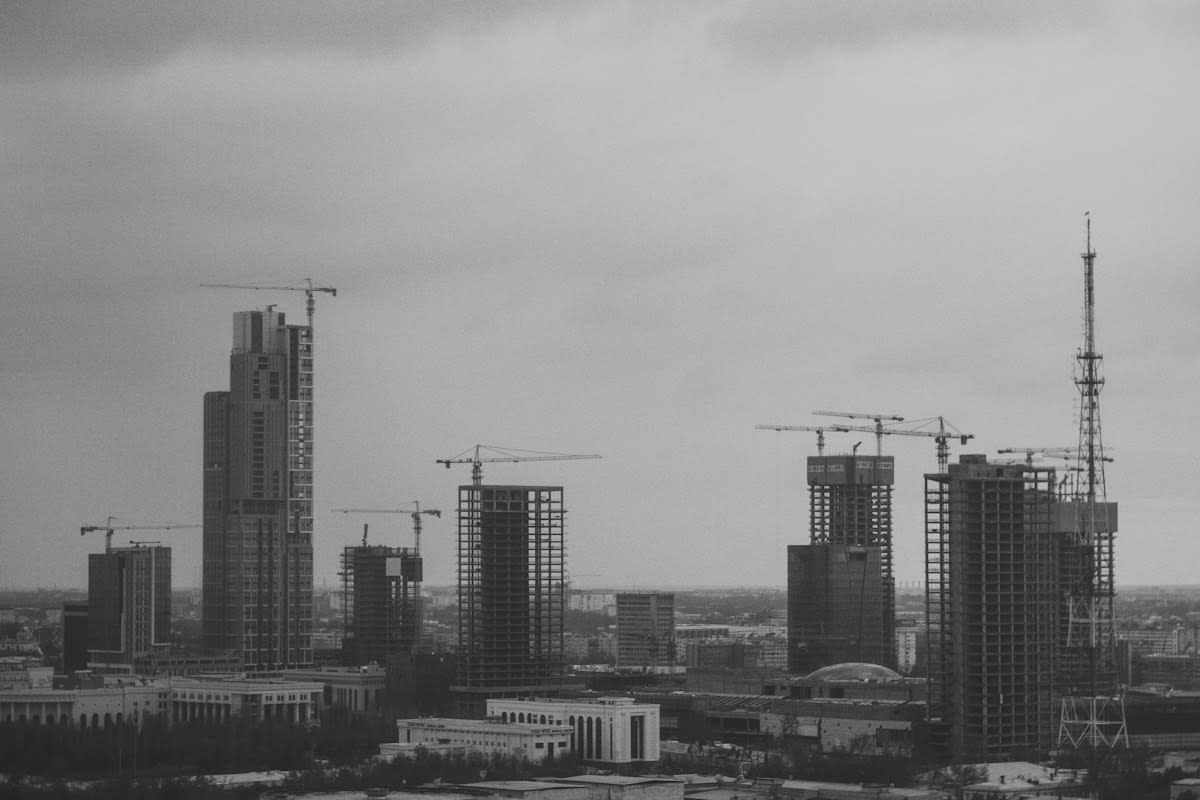
The Tashkent Playbook: Scaling Into Central Asia's Tech Hub
From the humming server racks of former Soviet shells to a $1.1 billion export engine, this guide details the operational requirements for entering the Uzbek tech market.

The Concrete Sanctuary: Salvaging Tokyo's Dying Third Places
When the corporate machine erases the informal, the city dies. This guide details the operational recovery of Tokyo's Third Places—the kissaten and yokocho that survive in the friction of the metropolis.

The Kinship Upgrade: Why Tokyo's Urbanites are Deleting the Biological Default
While the world mourns the death of the traditional Japanese family, Tokyo's urbanites are quietly building something more efficient. This isn't a crisis of isolation; it's a calculated migration toward chosen kinship.

The Death of the Private Room: Deconstructing the Architecture of Context Collapse
From $18 billion addiction settlements to the algorithmic spirals that erase the boundaries between our public and private selves, the digital age is dismantling the human ability to be different people in different rooms. A strategic analysis of the systemic shift toward total identity transparency.

The Specialist's Ceiling: Why the World's Most Complex Problems are Forcing a Return to the Polymath Ideal
Hyper-specialization promised efficiency but delivered fragility. As global challenges evolve from linear to systemic, the world is rediscovering the power of the polymath to bridge the gap between isolated expertise and actionable solutions.

The Death of the Loiter: Reclaiming the Third Place in a Monetized World
We are witnessing the systemic collapse of 'Third Places'—spaces where humans can exist without the requirement of a financial transaction. This isn't an accident of urban growth; it is a calculated shift toward the monetization of presence.

The Architecture of Forgetting: Why We Trade Wisdom for Novelty
Humanity does not progress in a straight line. We move in loops, periodically erasing our most successful engineering and social innovations only to 'rediscover' them centuries later. This isn't an accident; it's a systemic feature of how we organize knowledge.

The Chronos Divide: Why Time Sovereignty is the New Global Currency
As material luxury becomes democratized and accessible, a new systemic class divide is emerging. The true marker of power is no longer what you own, but who controls your calendar.

The Architecture of Belonging: Beyond the Death of the Third Space
The narrative of the 'loneliness epidemic' often blames the disappearance of physical gathering spots. A strategic analysis suggests we aren't losing community, but rather witnessing a violent transition in the cost and accessibility of social infrastructure.