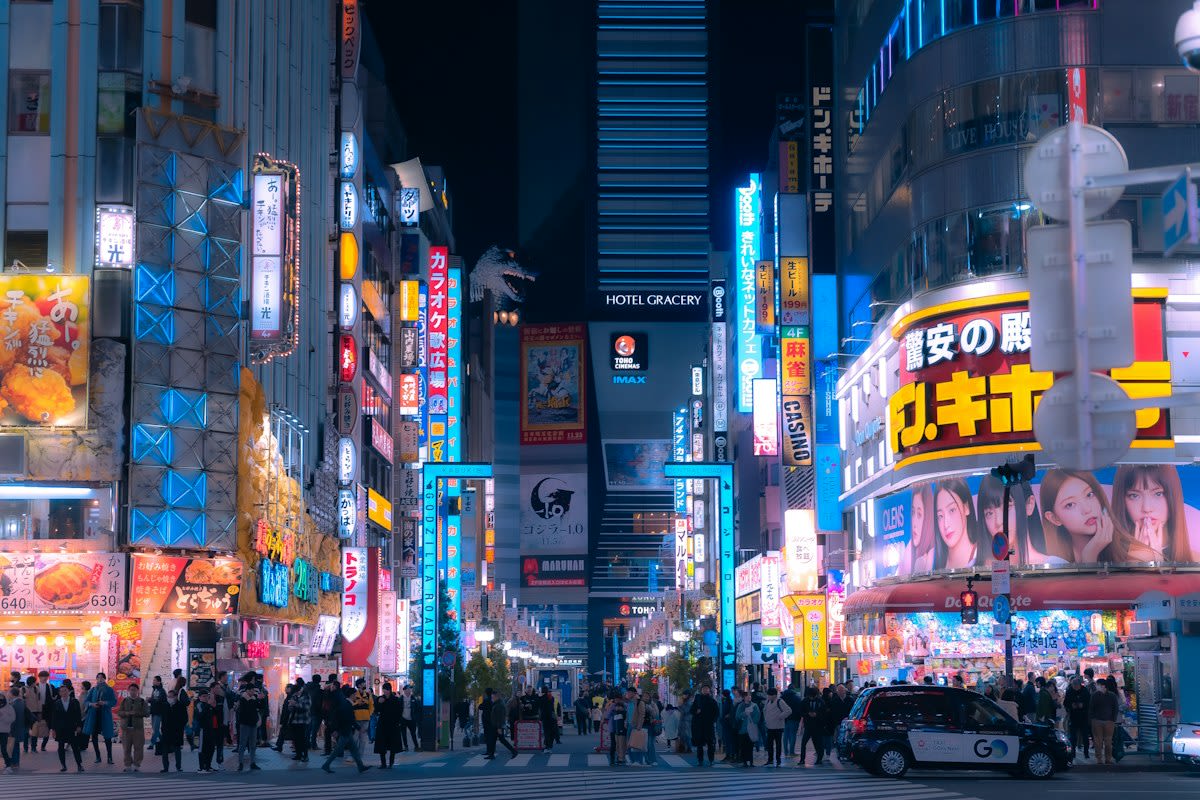
Walk through Shinjuku at 11 PM and you'll see them. Thousands of souls drifting through neon corridors, appearing for all the world like the poster children for an isolation crisis. The global consensus is easy. It's tragic. We call it kodokushi—lonely deaths—and we treat the rise of single-person households as a systemic failure of the Japanese spirit. But look closer. The narrative of the lonely urbanite is a lazy shorthand. What we are actually witnessing in Tokyo is not the collapse of kinship, but its aggressive optimization.
For decades, the traditional Japanese ie system—the patriarchal household—functioned as a rigid social contract. It provided security in exchange for total submission. You didn't choose your role; you inherited it. Now, that contract is being shredded. Urbanites aren't just drifting away from their parents in the countryside; they are actively trading biological obligations for chosen kinship. They are replacing the heavy, suffocating weight of filial piety with lean, high-trust networks of peers who actually understand the pressures of a 21st-century megalopolis.
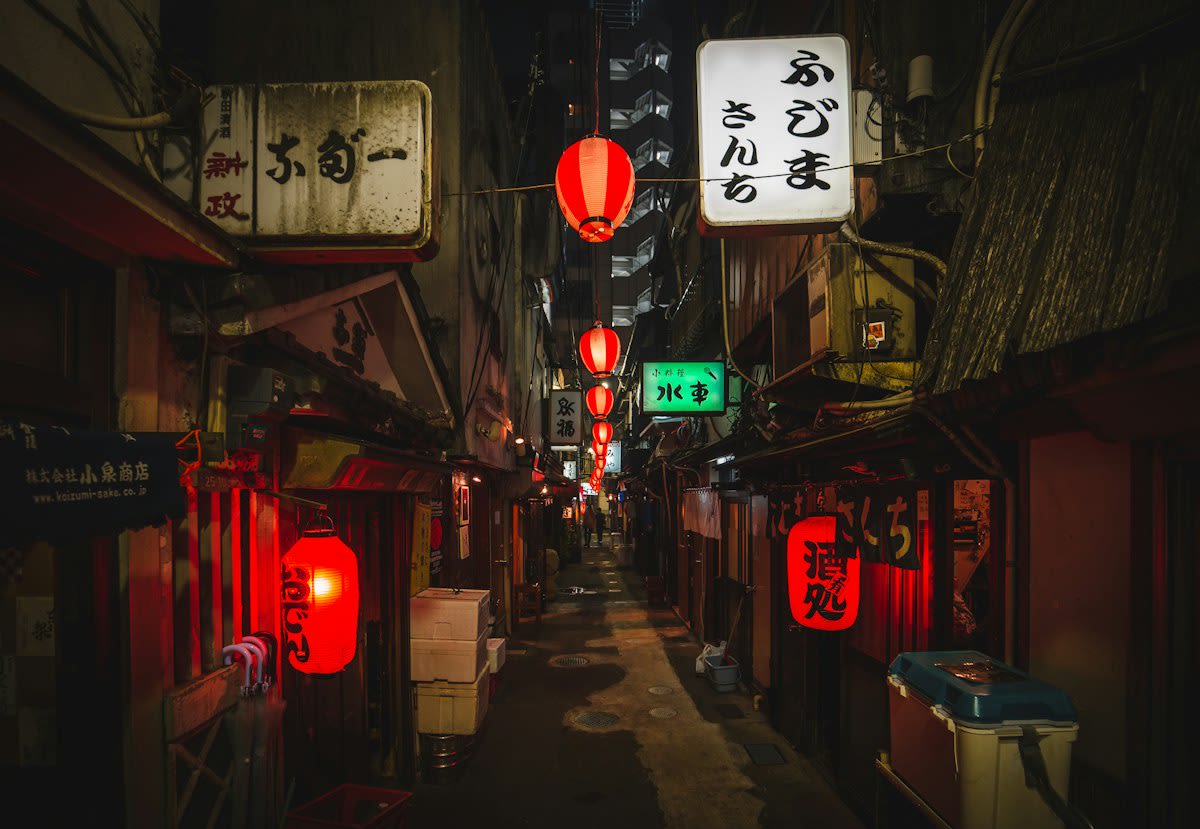
The Myth of the Loneliness Epidemic
Industry analysts and government bureaucrats love the loneliness angle because it allows them to propose superficial solutions—more community centers, more 'mixer' events for singles. They miss the point. The shift toward chosen kinship is a rational response to the failure of the biological safety net. When the cost of living in Tokyo skyrockets and the corporate grind demands 80-hour weeks, a parent in Nagano is a psychological burden, not a support system. The biological family often represents a set of expectations—marriage, grandchildren, ancestral rites—that no longer align with the survival strategies of the urban professional.
Data shows the scale of this decoupling is massive. Single-person households now account for approximately 38% of all households in Japan (Source: Statistics Bureau of Japan, 2020). This isn't just a demographic quirk. It's a liberation. By shedding the biological default, Tokyoites are creating 'intentional pods.' These are groups of friends, co-workers, or share-house residents who provide the emotional and logistical labor once reserved for siblings and cousins, but without the inherited trauma and rigid hierarchy.
"The traditional family structure in Japan was a mechanism for asset preservation and social stability, not emotional fulfillment. What we see now is the decoupling of 'care' from 'blood.' People are seeking functional intimacy over formal kinship."— Masahiro Yamada, Professor of Sociology at Chuo University
Stop calling it a loss. Call it an upgrade. The chosen family is meritocratic. It's based on shared values, mutual utility, and genuine affinity. If a chosen kin member becomes toxic, you can prune them from your life. Try doing that with a biological father who controls the family estate in a culture that still prizes ancestral continuity.
The Architecture of Intentional Kinship
The physical manifestation of this shift is the share house. These aren't just cheap dorms for students. High-end co-living spaces in districts like Shibuya and Setagaya are designed as kinship incubators. They provide the 'soft' infrastructure of family—shared meals, communal cleaning, emotional check-ins—without the 'hard' infrastructure of biological baggage. These spaces facilitate a transition from the nuclear family to the networked family.
| Dimension | Biological Kinship (The Default) | Chosen Kinship (The Upgrade) |
|---|---|---|
| Entry Requirement | Genetic Accident | Shared Values/Utility |
| Primary Driver | Obligation & Duty | Affinity & Support |
| Conflict Resolution | Endurance/Avoidance | Negotiation/Exit |
| Emotional Cost | High (due to expectations) | Moderate (due to boundaries) |
| Legal Standing | Automatic/Strong | Precarious/Contractual |
This shift creates a new kind of social capital. In the old system, your network was determined by your birth. In the new system, your network is a curated portfolio. This is why we see the rise of 'mutual support groups' for the elderly who have no children but have spent decades building friendships in their neighborhoods. They are drafting private contracts to care for one another in old age, effectively hacking the legal system to recognize non-biological bonds.
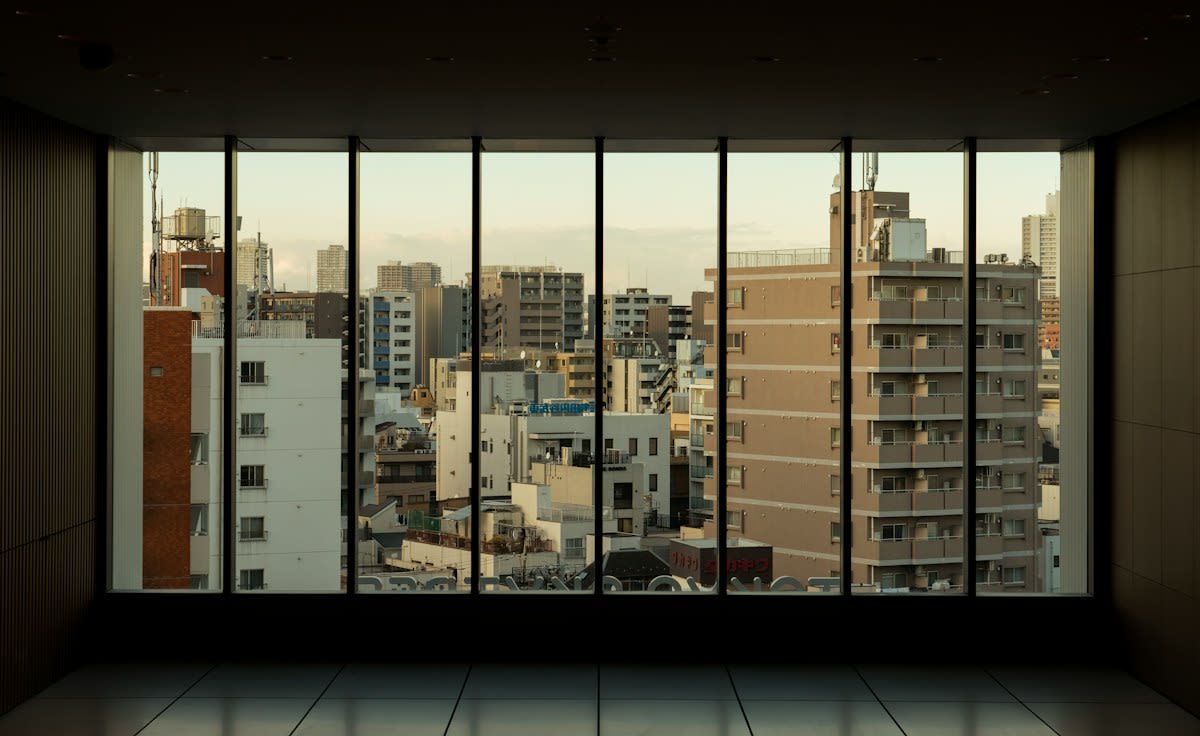
The boardroom conversations in Tokyo's real estate and insurance sectors are fraught with skepticism. They see the decline of the traditional family as a risk to the 'guarantor system.' In Japan, renting an apartment or taking a loan often requires a biological relative to act as a guarantor. The industry is panicking because the 'blood-bond' guarantee is evaporating. But the market is already adapting. Third-party guarantor companies are exploding in popularity, commodifying the trust that families used to provide for free.
Ground-Level Friction: The Legal Wall
Here is where the theory hits the concrete. Trading biological family for chosen kin is emotionally liberating, but legally nightmarish. The Japanese legal system remains stubbornly tethered to the koseki—the family registry. If you are not on that piece of paper, you are a stranger. This creates brutal friction in the healthcare system. Imagine being in a Tokyo ICU and having your chosen partner—the person who has cared for you for fifteen years—denied entry or decision-making power because they aren't 'blood.'
The bureaucracy doesn't care about your 'intentional pod.' When a chosen kin member dies without a will, the state often reverts assets to distant biological relatives who haven't spoken to the deceased in decades. This is the 'ugly' reality of the transition. Urbanites are living in a sociological future but are governed by a legal past. The friction isn't just an inconvenience; it's a systemic failure that forces people to either fake biological ties or risk complete vulnerability in their final hours.
Practitioners in the social work sector describe this as the 'gap of invisibility.' They deal with clients who have robust social networks—friends who visit daily, partners who manage their finances—yet on paper, these people are 'alone.' The fight now isn't about curing loneliness; it's about lobbying for 'partnership certificates' or expanded guardianship laws that recognize chosen kinship. It's a battle of paperwork against preference.
The Second-Order Effects
What happens because of this shift? First, we see the death of the 'company as family' model. For decades, the salaryman's loyalty to the firm replaced his loyalty to the home. But as workers move toward chosen kinship, they are also diversifying their identity. They no longer need the company to provide their entire social world. This is leading to a quiet but steady increase in job hopping and freelance work. When your support system isn't tied to your employer or your parents, you are suddenly free to take risks.
Second, the nature of consumption is changing. We are seeing a pivot from 'household' products to 'individual' or 'pod' products. Small-scale, high-quality shared experiences are replacing the large, obligatory family gatherings of New Year's. The economy is shifting to serve the curated life. The demand for 'experience-based' social hubs is skyrocketing because these are the venues where chosen kinship is forged and maintained.
The bottom line is that Tokyo is a laboratory for the rest of the developed world. The tension between biological obligation and intentional connection isn't unique to Japan, but Tokyo has accelerated it. By stripping away the traditional safety nets, the city has forced its residents to build their own. It's a messy, legally precarious, and often invisible process, but it's the only way to survive the crushing weight of the modern urban experience.
Fact-Check & Accuracy Note
The claims regarding single-person household percentages are sourced from the 2020 Statistics Bureau of Japan census. The discussion on the koseki system reflects ongoing legal debates in Japanese family law regarding the recognition of non-traditional partnerships. The shift in guarantor systems is a documented trend in the Japanese real estate market (Source: Japan Real Estate Institute, 2021).