The Transactional Tax on Existence
For decades, the unspoken contract of urban living included the right to simply be. Whether it was a town square in Italy, a tea house in Kyoto, or a neighborhood stoop in New York, there existed a category of space that demanded nothing from the occupant other than their presence. We call this the Third Place—the social environment separate from the two primary environments of home (first place) and work (second place). Today, that contract is being shredded. We have entered an era where the cost of entry for social existence is a five-dollar latte or a timed parking meter. If you aren't consuming, you are loitering; if you are loitering, you are a problem to be solved by security or architecture.
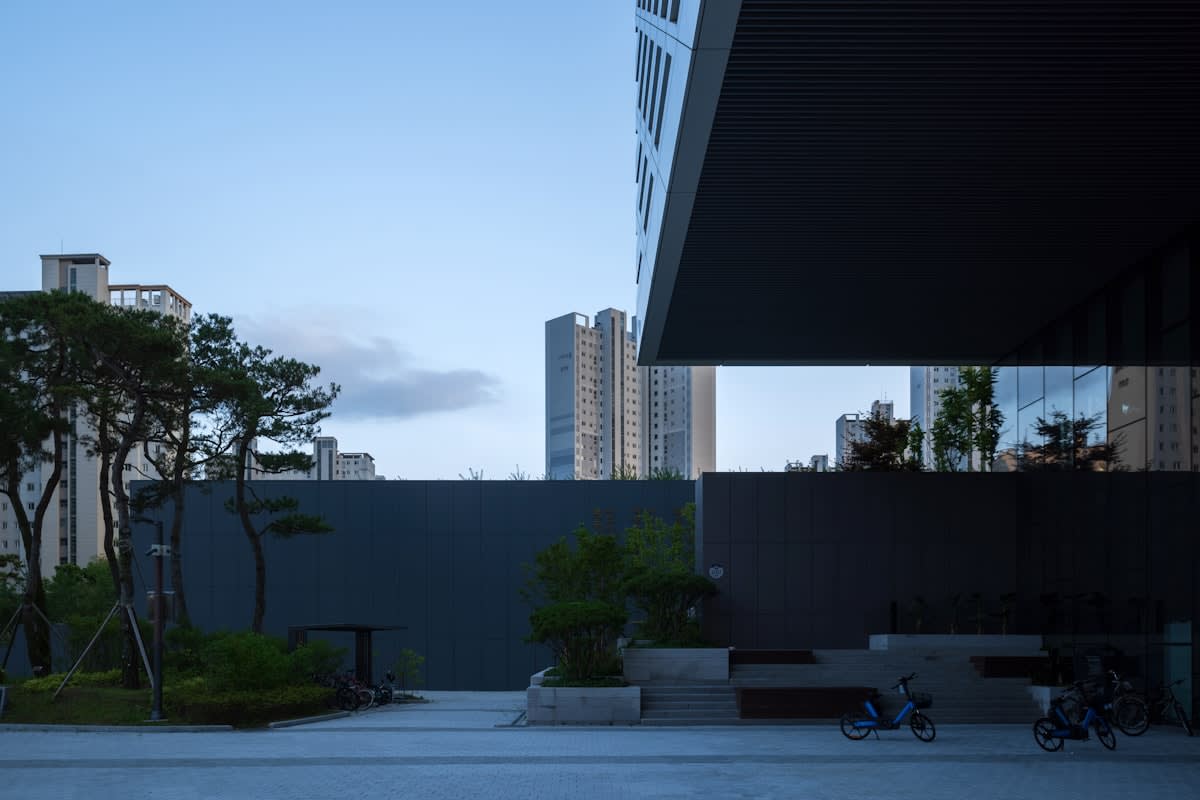
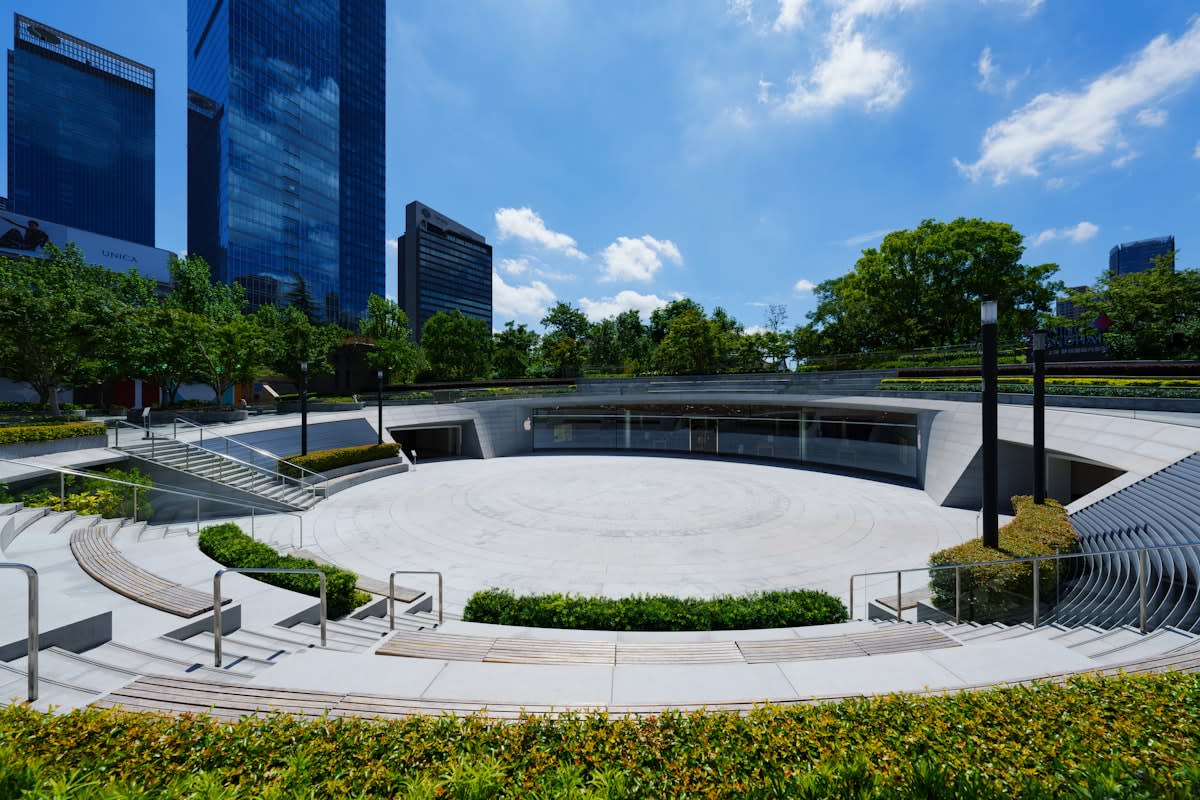
This shift isn't merely a byproduct of gentrification. It is a systemic pivot toward the 'monetization of presence.' In global hubs from London to Singapore, we see the rise of POPS—Privately Owned Public Spaces. These areas look like parks and plazas, but they are governed by private corporate bylaws that prohibit 'unproductive' behaviors. You can walk through them, but you cannot protest, you cannot sleep, and often, you cannot even sit for too long without a security guard asking for your purpose. The civic leisure gap is the distance between our biological need for communal belonging and the shrinking geography of places that allow it for free.
"The Third Place is an essential anchor of community life. When these spaces vanish, we don't just lose a place to sit; we lose the 'leveling' effect where people from different social strata interact on neutral ground."— Ray Oldenburg, Sociologist and author of The Great Good Place
Why does this matter? Because the 'leveling' effect Oldenburg describes is the only remaining mechanism for organic social cohesion in a hyper-polarized world. When the only places to meet are commercial, the filter is financial. You only meet people who can afford the same entry price. This creates a fragmented society where we only encounter 'mirrors' of our own socioeconomic status. The result is a profound sense of isolation, even in the most densely populated cities on earth.
Hostile Architecture as a Policy Tool
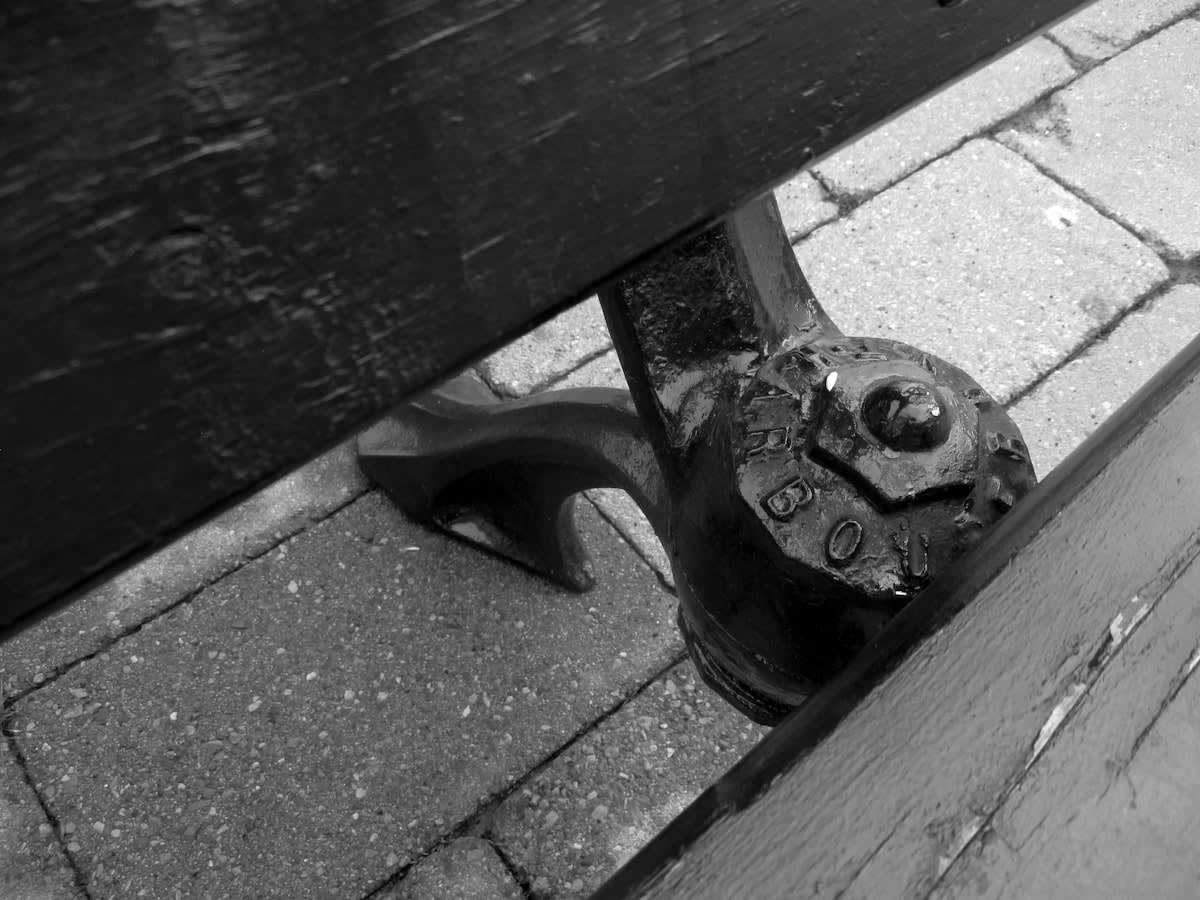
If you want to see the civic leisure gap in physical form, look at the benches. Or rather, look at the lack of them. Across the globe, we are seeing the proliferation of 'hostile architecture'—slanted surfaces, armrests placed in the middle of benches to prevent lying down, and the removal of seating entirely from transit hubs. This is design as a weapon. It is a silent signal to the public: 'You are welcome here as a consumer or a commuter, but you are not welcome as a human who simply wishes to rest.' This design philosophy treats the human body as a liability to be managed rather than a citizen to be served.
In Nairobi or Mexico City, this manifests differently. It might be the sudden enclosure of previously open markets or the privatization of waterfronts. The objective remains the same: the elimination of 'unmonitored' time. When a space is free and open, it is unpredictable. When it is monetized or controlled, it is predictable. For the modern city manager, predictability is the highest virtue, even if it comes at the cost of the city's soul.
From a practitioner's perspective, this is where the real friction happens. In urban planning circles, there is a constant battle between 'activation' and 'presence.' Planners talk about 'activating' a space, which is usually code for adding kiosks, food trucks, or events that generate revenue. But real civic health requires 'presence'—the ability for a space to be 'inactive' yet occupied. The most successful urban environments aren't the ones with the most events; they are the ones where you can sit for three hours with a single bottle of water and not feel like you're trespassing.
The internal debate among architects today centers on whether we can 'design' spontaneity back into the city. Some argue for 'tactical urbanism'—small, low-cost interventions like pop-up parks or community-led seating. Others argue that the problem isn't architectural, but legal. Until we redefine the 'right to the city' as a right to exist without a transaction, a few colorful benches won't fix a systemic void.
| Space Type | Entry Requirement | Social Function | Primary Risk |
|---|---|---|---|
| Commercial (Cafe/Mall) | Financial Transaction | Consumption-based sociality | Economic Exclusion |
| Digital (Social Media) | Data Extraction | Algorithmic connection | Echo Chambers |
| Civic (Library/Park) | None (Citizenship) | Neutral, multi-class interaction | Underfunding/Neglect |
| POPS (Private Public) | Behavioral Compliance | Controlled aesthetics | Surveillance |
The Digital Mirage and the Search for Analog Refuge
As physical Third Places vanish, we have attempted to migrate our social existence to digital platforms. But this is a category error. A Discord server or a Facebook group is not a Third Place; it is a data-mining operation. Digital spaces lack the 'serendipity of the stranger'—the chance encounter with someone who doesn't share your interests or politics. In a physical plaza, you see the homeless person, the businessman, and the student in the same frame. In a digital space, the algorithm ensures you only see people who validate your existing worldview.
This is why we are seeing a global resurgence of interest in 'analog refuges.' From the rise of board game cafes (which, ironically, are commercial) to the reclaiming of abandoned industrial lots for community gardens, people are starving for a place to exist that isn't optimized for a KPI. The desperation is palpable. We aren't just looking for 'things to do'; we are looking for a place to be where we aren't being tracked, sold to, or told to move along.
The opportunity here lies in a radical reimagining of civic infrastructure. Imagine a city where the library isn't just a place for books, but the primary social hub of the neighborhood—a 'living room' for the city. Medellín, Colombia, pioneered this with their library parks, placing world-class architectural hubs in the poorest neighborhoods. They didn't just provide books; they provided a dignified place to exist for free. This is the blueprint for closing the leisure gap: treating civic space as a fundamental human right rather than a luxury amenity.
Closing the gap requires us to stop viewing 'loitering' as a crime and start viewing it as a sign of a healthy city. A city where people are comfortable spending time without spending money is a city with high social trust. When we design for the most vulnerable—the elderly who need a place to sit, the youth who need a place to gather—we inadvertently design a better city for everyone.
Fact-Check & Accuracy Note
This analysis relies on the sociological framework of Third Place theory established by Ray Oldenburg and current urban planning trends regarding Privately Owned Public Spaces (POPS) and hostile architecture. While specific city-wide statistics on the number of lost public squares are difficult to aggregate globally due to varying definitions of 'public,' the shift toward privatization is documented in urban studies across major global metropolises.