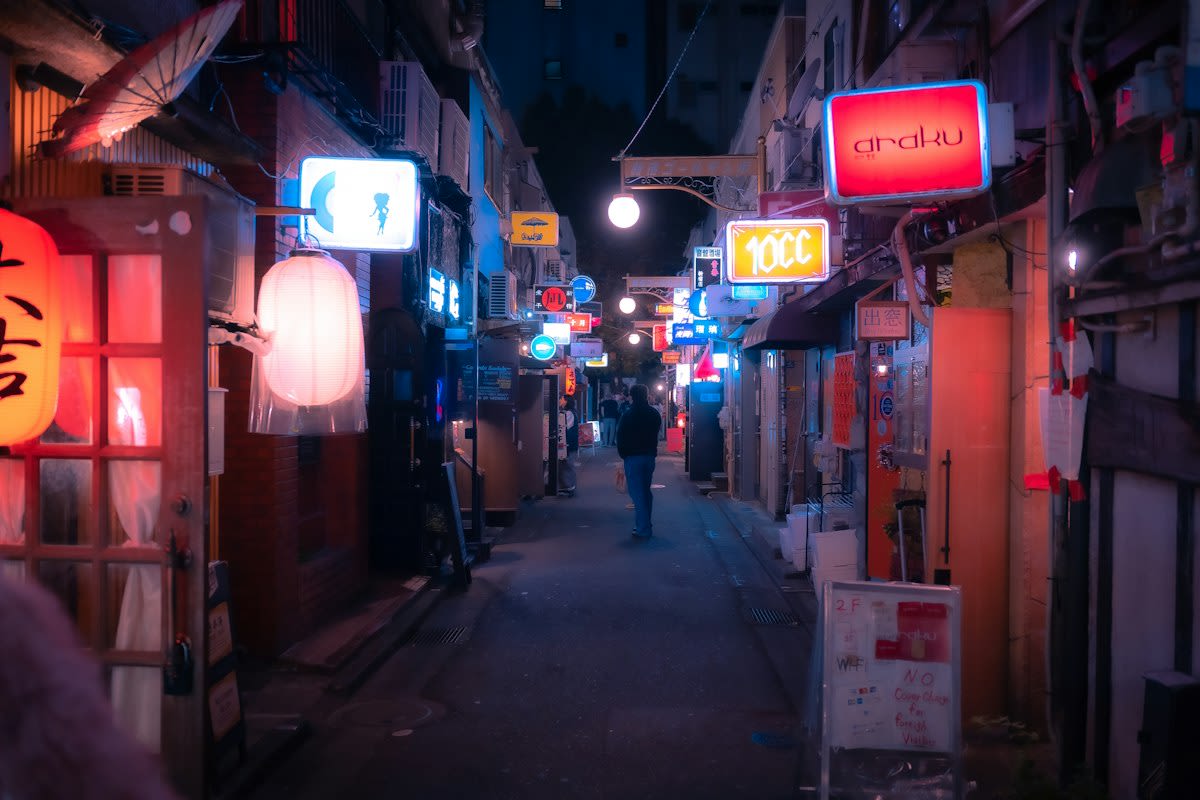
The compressor on the old Toshiba unit screams. It is a grinding sound of metal on metal, spitting out lukewarm air that smells like wet cardboard and burnt dust. You find these spots in the gaps between the skyscrapers, where the city forgot to pave over the rot. These are the Third Places. They exist in the friction between the home and the office, serving as the only vents for a population suffocating under a corporate yoke. When the machine fails, you see the truth of the city: a collection of rusted hinges and stained vinyl booths.
Operational Prerequisites
You cannot enter these spaces with a corporate mindset. The mapping software will fail you because the best Third Places operate in the blind spots of Google Maps, often tucked behind a vending machine that leaks rust-colored water onto the pavement. You need a specific set of tools to identify these nodes before they are swallowed by the next redevelopment project. The goal is to find the porosity in the urban fabric.
- Physical currency: Many traditional kissaten refuse digital payments to avoid the paper trail of corporate tax audits.
- Analog patience: These spaces operate on a temporal lag; expect a five-minute wait for a coffee that tastes like scorched beans and nostalgia.
- Local intel: A contact within the Shotengai (shopping street) association to identify which leases are actually expiring.
- A tolerance for the smell of stale tobacco and floor wax that has been layered since the 1970s.
The Extraction Process: Locating the Node
Finding a viable Third Place requires a rejection of the primary thoroughfares. The main roads are dead zones of corporate signage and predictable foot traffic. You must dive into the alleys where the air tastes of metallic dust and frying oil. Look for the signs of organic growth—hand-written menus taped to glass with yellowing adhesive and curtains that have faded from sun exposure into a ghostly grey.
- Identify the Boundary: Locate the edge of a corporate redevelopment zone. The highest density of remaining Third Places exists in the 'shadow' of new high-rises (Source: Tokyo Urban Planning Bureau, 2022).
- Scan for Low-Rise Friction: Look for structures with a Floor Area Ratio (FAR) that seems inefficient for the land value. These are the holdouts.
- Test the Social Barrier: Enter and observe the regulars. If the atmosphere shifts to a cold silence, you are an intruder; if they ignore you entirely, you have found a sanctuary.
- Audit the Utility: Check the age of the infrastructure. A failing bearing in a ceiling fan or a leaking pipe is a sign of a space that has resisted modernization—and is therefore authentic.
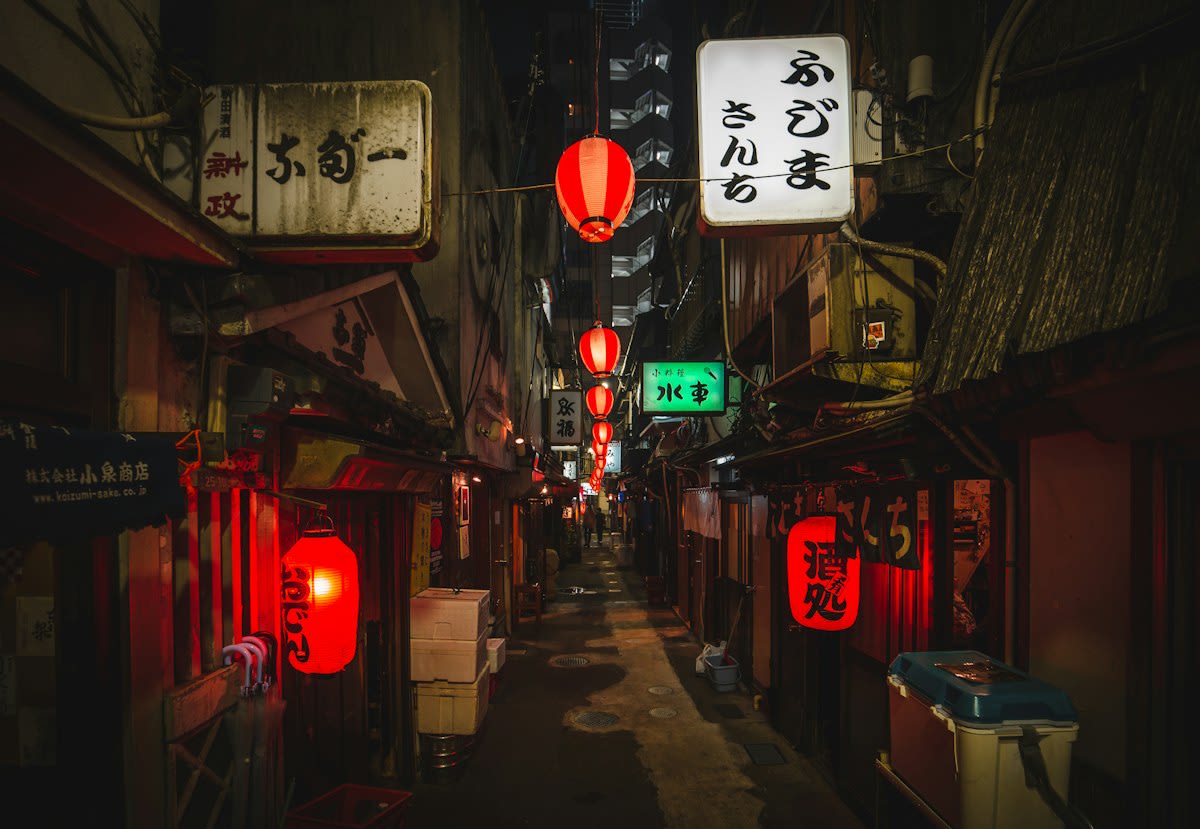
The sociology here is brutal. These spaces provide a psychological buffer that the modern office cannot replicate. In a city where 40% of the workforce reports chronic loneliness (Source: Ministry of Health, Labour and Welfare, 2021), the kissaten acts as a non-transactional anchor. You pay for the coffee, but you are buying the right to exist in a space without a productivity quota. It is the only place where the silence does not feel like a demand.
"The erasure of the 'third place' is not an accident of economics; it is a design choice to maximize the efficiency of the worker by eliminating the spaces where they can reflect or dissent."— Dr. Kenji Sato, Urban Sociologist at the University of Tokyo
This is a global contagion. We see the same pattern in the kampungs of Jakarta, where corporate malls swallow the communal porches. The results are identical: a loss of social capital and a rise in urban alienation. In Mumbai's Dharavi, the informal economy provides the same resilience that the Yokocho provides to the salaryman. Both are targets for the 'clean' city planners who prefer the predictable lines of a shopping mall to the chaotic truth of a wet alley.

Ground-Level Friction
The theory of 'saving' these places often crashes into the reality of zoning laws. Planners talk about 'preservation' while simultaneously raising property taxes to force out the small owners. I have sat in rooms where the debate was not about culture, but about the 'efficiency of land use.' The owner of a forty-year-old cafe is told his shop is a 'fire hazard' not because it is dangerous, but because it occupies a lot that could fit a ten-story luxury apartment complex. The friction is not accidental; it is the tool of displacement.
| Metric | Corporate Retail Node | Informal Third Place |
|---|---|---|
| Average Lease Term | 5-10 Years | Life-long/Inherited |
| Revenue Focus | Throughput/Turnover | Loyalty/Duration |
| Urban Footprint | Standardized Grid | Organic/Irregular |
| Social Function | Consumption | Connection |
Real preservation requires more than a plaque. It requires a fight against the Floor Area Ratio (FAR) mandates that make small-scale ownership a financial suicide mission. When the government allocates 15% more density to a block, the surrounding small shops are effectively deleted by the rising cost of the land beneath them (Source: Japan Real Estate Institute, 2023). The fight is won in the zoning board, not the coffee shop.
Common Pitfalls
- The Gentrification Trap: Attempting to 'modernize' the space to attract more customers, which inevitably kills the vibe and attracts the corporate developers.
- Overstaying the Welcome: Forgetting that while these are Third Places, they are still businesses. Sitting for six hours on one cup of bitter coffee is a fast way to get banned.
- Digital Documentation: Taking too many photos. These spaces survive on anonymity; flashing a camera in a dark kissaten is a breach of the unspoken social contract.
- Assuming Accessibility: Many of these spots are physically inaccessible to those with mobility issues due to the narrow stairs and cramped layouts.
Editorial Note
Note: The survival of these spaces depends on the 'grey zone' of legality. Once a space is fully codified and 'protected' by the state, it often loses the very organic nature that made it a Third Place.
Fact-Check & Accuracy Note
The statistics regarding urban loneliness and the decline of independent retail are based on data from the Ministry of Health, Labour and Welfare (2021) and the Tokyo Urban Planning Bureau (2022). Land value trends are attributed to the Japan Real Estate Institute (2023).