RBI tells Tata Sons to ‘explicitly’ comply with listing rules amid boardroom battle
Source Entity
George Mathew
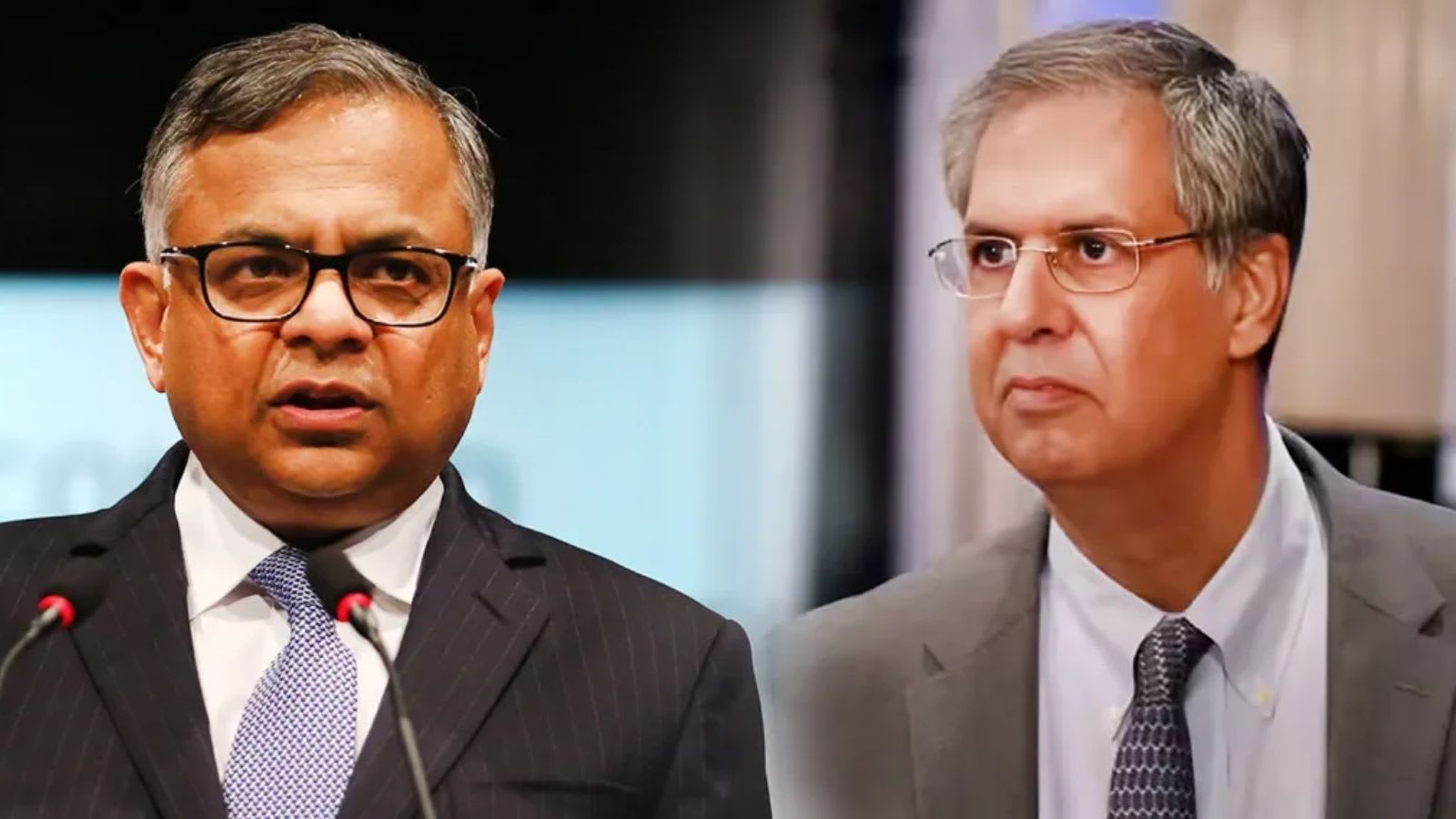
The RBI has directed Tata Sons to comply with mandatory listing requirements for Upper Layer NBFCs. Simultaneously, Jimmy N. Tata has publicly supported the listing and N. Chandrasekaran's leadership, urging regulators to prevent any restructuring attempts to bypass these rules.
The Regulatory Landscape: RBI and Tata Sons
The Reserve Bank of India (RBI) has reinforced its regulatory stance regarding Tata Sons, the primary holding company of the Tata Group, by mandating explicit compliance with listing requirements for Upper Layer Non-Banking Financial Companies (NBFC-UL). This directive, communicated in a November 16 letter, underscores the central bank's commitment to transparency and financial oversight for systemically important entities. By classifying Tata Sons as an NBFC-UL, the RBI has triggered mandatory listing timelines that the conglomerate must navigate to remain in good standing with financial regulators.
Internal Strife and the Role of Jimmy N. Tata
The narrative surrounding this regulatory requirement has been complicated by the involvement of Jimmy N. Tata, the brother of Ratan Tata. In a significant internal development, Jimmy Tata has urged the RBI to enforce strict timelines for the listing process. His intervention is rooted in a desire to ensure that the company does not engage in corporate restructuring designed to circumvent the RBI’s mandates. This public stance highlights a growing tension regarding the governance of the Tata Trusts and the future of the conglomerate's corporate structure.
Support for Leadership Continuity
Beyond the regulatory dispute, Jimmy Tata has voiced strong support for N. Chandrasekaran, the current Chairman of Tata Sons. His endorsement highlights the tangible performance metrics achieved under Chandrasekaran’s tenure, including debt reduction, successful corporate turnarounds, and record earnings. The mention of dividend payouts exceeding 6,500 percent serves as a critical argument for the current management’s efficacy, suggesting that internal stakeholders are weighing the benefits of current leadership against the pressures of regulatory compliance.
Broader Implications of NBFC-UL Classification
The classification of Tata Sons as an NBFC-UL is not merely a bureaucratic formality; it reflects the RBI's broader strategy to subject large, non-banking financial entities to stricter prudential norms. As these companies hold significant weight in the Indian economy, the RBI’s insistence on public listing aims to improve market discipline and shareholder accountability. This move signals a shift in the regulatory environment, where even the largest and most storied industrial houses are subject to rigorous public market scrutiny.
Future Trends and Corporate Governance
The ongoing discourse between the RBI, the Tata leadership, and key family members suggests that the path to compliance will be closely watched by investors and regulators alike. The call for intervention by the government and the Charity Commissioner indicates that the resolution of this issue will have long-term consequences for the philanthropic character of the Tata Trusts. As the company moves forward, the challenge will be to balance the regulatory necessity of a public listing with the preservation of the group's foundational charitable objectives and corporate stability.