Torrent Gas hikes CNG price in Pune by Re 1 per kg, new rate Rs 101.50
Source Entity
The Indian Express
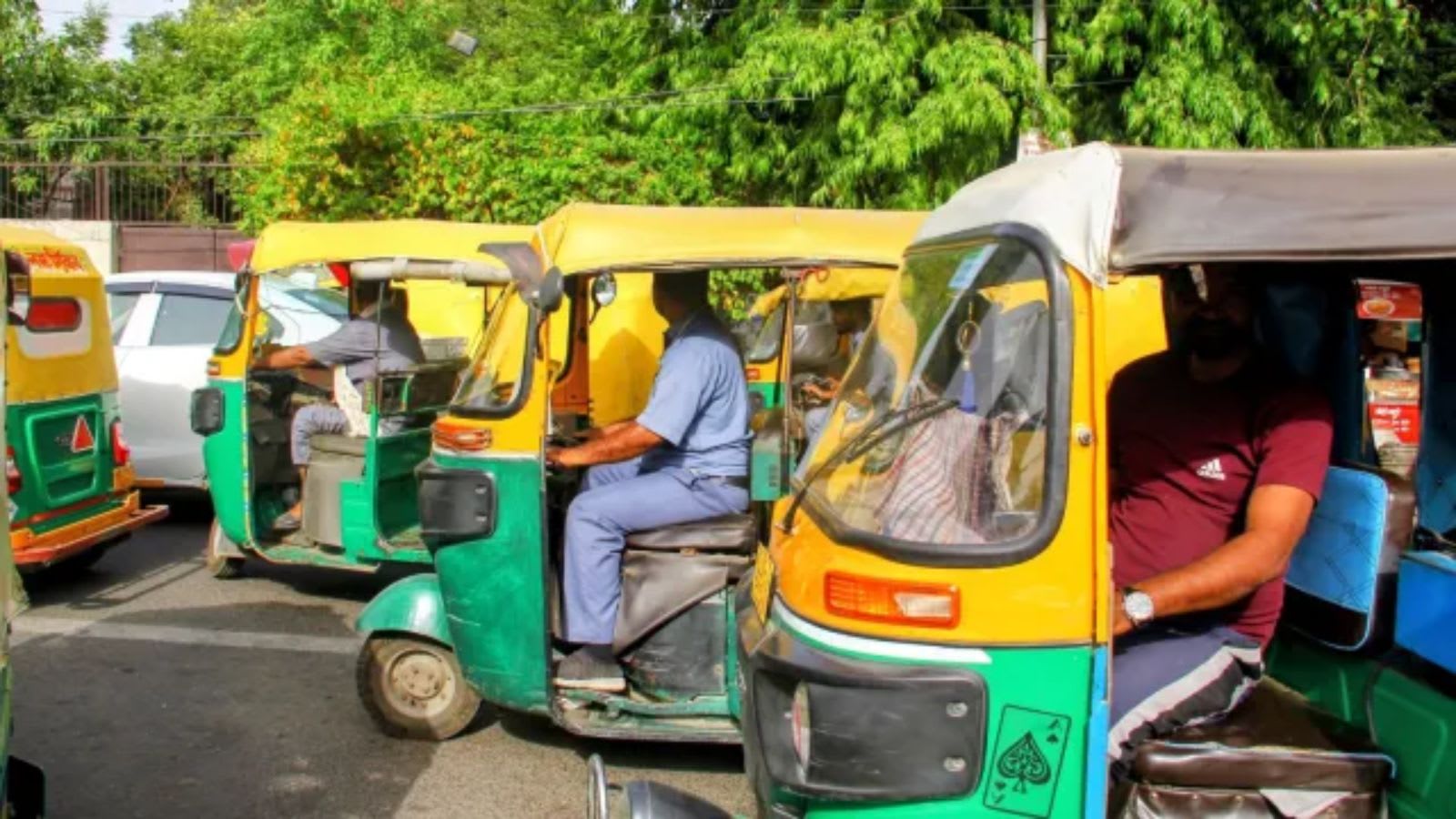
Torrent Gas has increased CNG prices in rural Pune by Re 1 per kg, bringing the total cost to Rs 101.50. This adjustment marks the second price hike in just over a month, impacting commercial transport and daily commuters.
Impact Analysis: Torrent Gas Price Revision in Pune
Overview of the Price Adjustment
Torrent Gas has officially announced an increase in the retail price of Compressed Natural Gas (CNG) for its service areas, which primarily cover the rural regions of Pune. Effective from midnight on Monday, November 17, the price has been raised by Re 1 per kg, resulting in a new retail rate of Rs 101.50 per kg. This adjustment follows a notification from the company to its network of dealers, as confirmed by Dhruv Ruparel, president of the Petrol Dealers Association Pune (PDAP).
Escalating Cost Trends
This latest modification is part of a broader trend of upward price revisions for cleaner fuel alternatives in the region. Notably, this hike comes only one month after a previous increase of Rs 2 per kg, which was implemented on October 7. The frequency of these adjustments suggests volatility in supply chain costs or domestic natural gas pricing structures that are being passed down to the consumer, pushing the price threshold further past the Rs 100 mark.
Economic Implications for Commercial Transport
The most immediate impact of this price hike will be felt by commercial vehicle operators. Taxi drivers and fleet owners, who rely heavily on CNG as a cost-effective alternative to traditional petrol or diesel, face shrinking profit margins as their daily operating expenses rise. Because fuel costs constitute a significant portion of their overhead, these incremental hikes force operators to either absorb the costs—reducing their net income—or pass them onto the consumer through higher fare structures.
Challenges for Daily Commuters
Beyond the professional transport sector, the price hike affects daily commuters who rely on CNG for long-distance travel within the rural stretches of Pune. For many, the transition to CNG was motivated by the desire to save on fuel costs compared to conventional fuels. As the gap between CNG and other fuels narrows due to these recurring price increases, the economic incentive for maintaining CNG-powered vehicles may diminish, potentially altering consumer behavior in the long term.
Future Outlook and Market Context
The current inflationary pressure on fuel prices in Maharashtra underscores the vulnerability of the transport sector to energy price fluctuations. While CNG remains a vital component of the government's push for cleaner energy, the sustainability of this transition depends on price stability. Looking ahead, stakeholders will be monitoring whether Torrent Gas and other providers can stabilize rates to prevent further burdening the transport ecosystem. Without a stabilization mechanism, the recurring price hikes may lead to increased friction between transport unions and fuel suppliers.