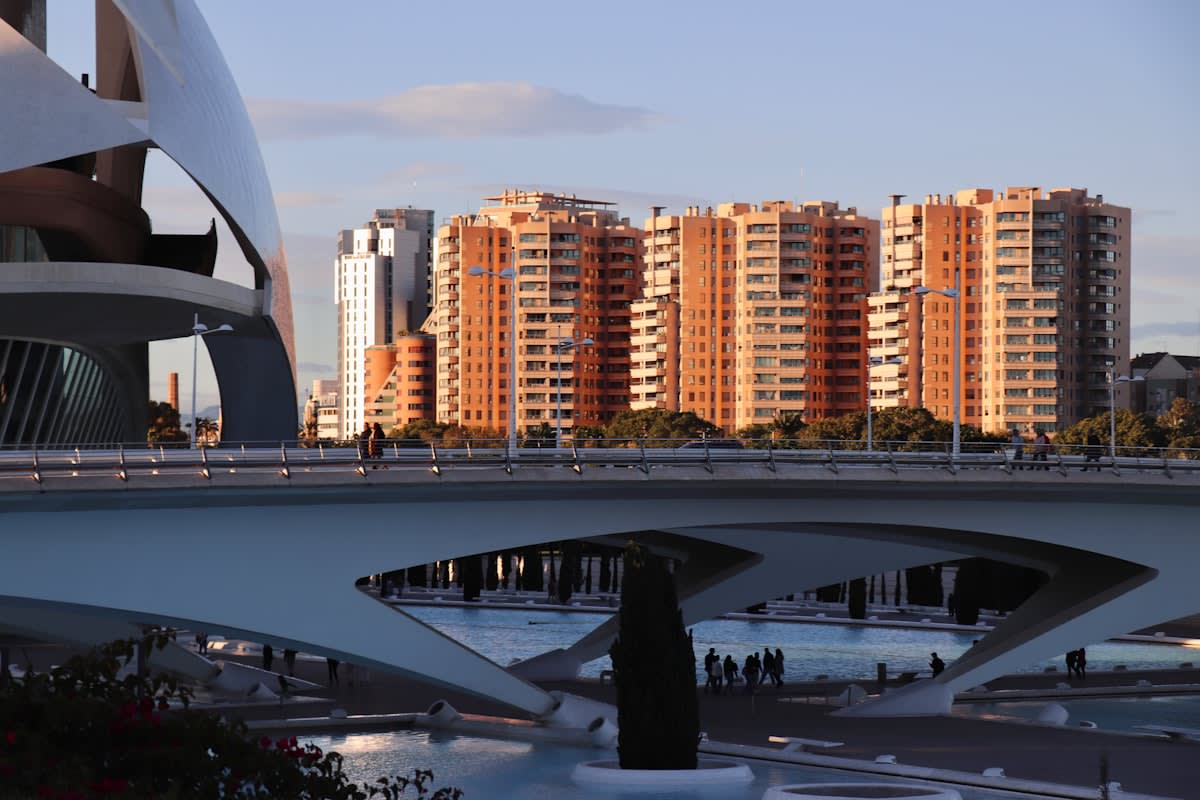
We have quietly traded the public square for the private screen. For decades, the sociological concept of the 'Third Place'—those anchors of community life that are neither home (the first place) nor work (the second place)—provided the essential social glue for urban survival. Think of the neighborhood pub in London, the coffee house in Vienna, or the traditional tea houses of Kyoto. These were not merely businesses; they were low-stakes environments where social hierarchies dissolved and spontaneous interaction was the default setting. Now, these spaces are vanishing, replaced by a sterile architecture of efficiency and a digital layer that promises connection while delivering isolation.
Why does this matter? Because the void left by the death of the third place is not being filled by a return to the family unit or a revival of civic engagement. Instead, it is being filled by a sophisticated, multi-billion dollar industry designed to sell us back the connection we used to get for free. We are witnessing the emergence of the Loneliness Economy. From AI companions and high-ticket 'mastermind' communities to subscription-based social clubs, the market has identified a systemic failure in our physical environment and decided to monetize the resulting psychic hunger.
The Engineering of Isolation
The decline of these spaces was not an accident; it was a byproduct of a global obsession with optimization. In North America, car-centric zoning laws effectively outlawed the walkable neighborhood, turning the 'corner store' into a distant memory (Source: Urban Land Institute, 2022). In East Asia, the extreme pressure of the corporate 'salaryman' culture has eroded the time available for non-transactional socializing, leading to the rise of 'solitary culture' in cities like Tokyo. When the physical environment stops facilitating chance encounters, the psychological cost is a profound sense of alienation.
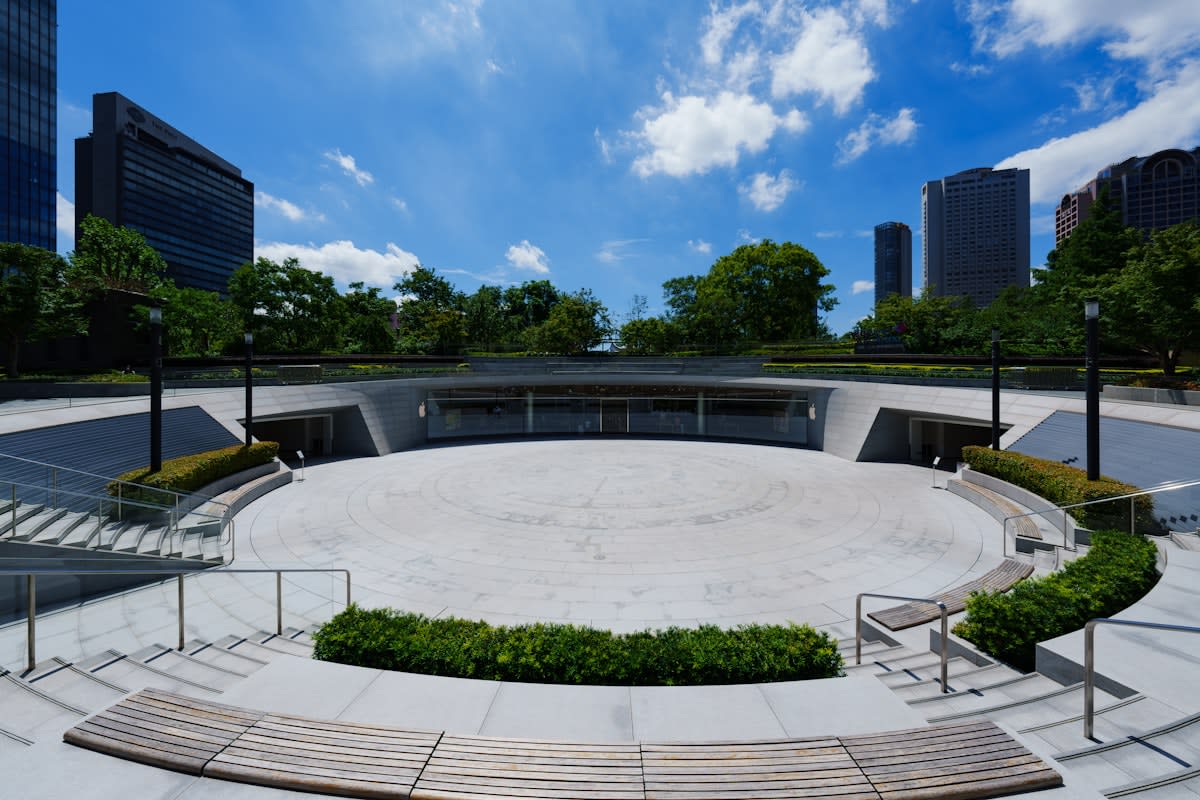
Is it a crisis? Perhaps. But for the strategic analyst, it is a market signal. The World Health Organization has highlighted social isolation as a significant risk factor for global health, comparable to the impact of smoking 15 cigarettes a day (Source: WHO, 2023). Where health organizations see a risk, venture capitalists see a gap. The logic is simple: if people can no longer find community in their physical vicinity, they will pay for it in a virtual or curated one.
"The traditional third place was characterized by its accessibility and lack of requirement for a financial transaction to justify one's presence. The modern substitute requires a login, a monthly fee, or a specific social status, transforming a civic right into a consumer product."— Ray Oldenburg, Sociologist and Author of 'The Great Good Place' (Paraphrased Analysis)
This transition marks a shift from organic to synthetic community. Organic communities are messy; they involve people you didn't choose and views you don't share. Synthetic communities are curated. They are echo chambers designed for comfort, not growth. By removing the friction of the physical third place, we have removed the very thing that makes community resilient: the necessity of negotiating difference.
Between the collapse of the physical and the rise of the digital, a new middle ground has emerged: the commercialized sanctuary.
The Rise of the Synthetic Substitute
The loneliness industry operates across a spectrum of intensity. At the low end, we have the 'digital third place'—Discord servers, Reddit communities, and gaming lobbies. While these provide immediate connection, they lack the somatic experience of physical presence. At the higher end, we see the rise of 'curated belonging.' This includes the explosion of co-living spaces in Berlin and Singapore, where community is not a byproduct of the neighborhood but a feature of the lease agreement.
| Feature | Organic Third Place (Traditional) | Synthetic Third Place (Modern) |
|---|---|---|
| Entry Cost | Zero to Low (e.g., Public Library, Park) | Subscription or Membership Fee |
| Social Filter | Geographic (Who lives nearby) | Algorithmic/Financial (Who pays/thinks like me) |
| Interaction Type | Spontaneous & Unplanned | Scheduled or Moderated |
| Primary Driver | Civic Belonging | Emotional Utility/Networking |
| Permanence | Intergenerational/Stable | Transient/Churn-based |
Then there is the most extreme frontier: the AI companion. With the integration of Large Language Models, the market is now offering 'perfect' friends—entities that never disagree, never tire, and are available 24/7. This is the ultimate optimization of the third place. It removes all social risk. But in removing the risk, it removes the reward. True belonging requires the possibility of rejection; without that tension, we are not connecting, we are merely mirroring our own desires.
From a practitioner's perspective, this is where the real debate lies. I have spent years talking to urban planners and community architects who are locked in a battle over 'friction.' The corporate drive is to make everything frictionless—one-click ordering, seamless interfaces, no queues. But community is built on friction. It's the awkward conversation while waiting for a bus; it's the disagreement over a game of chess in a park. When you design friction out of the city, you design community out of the human experience.
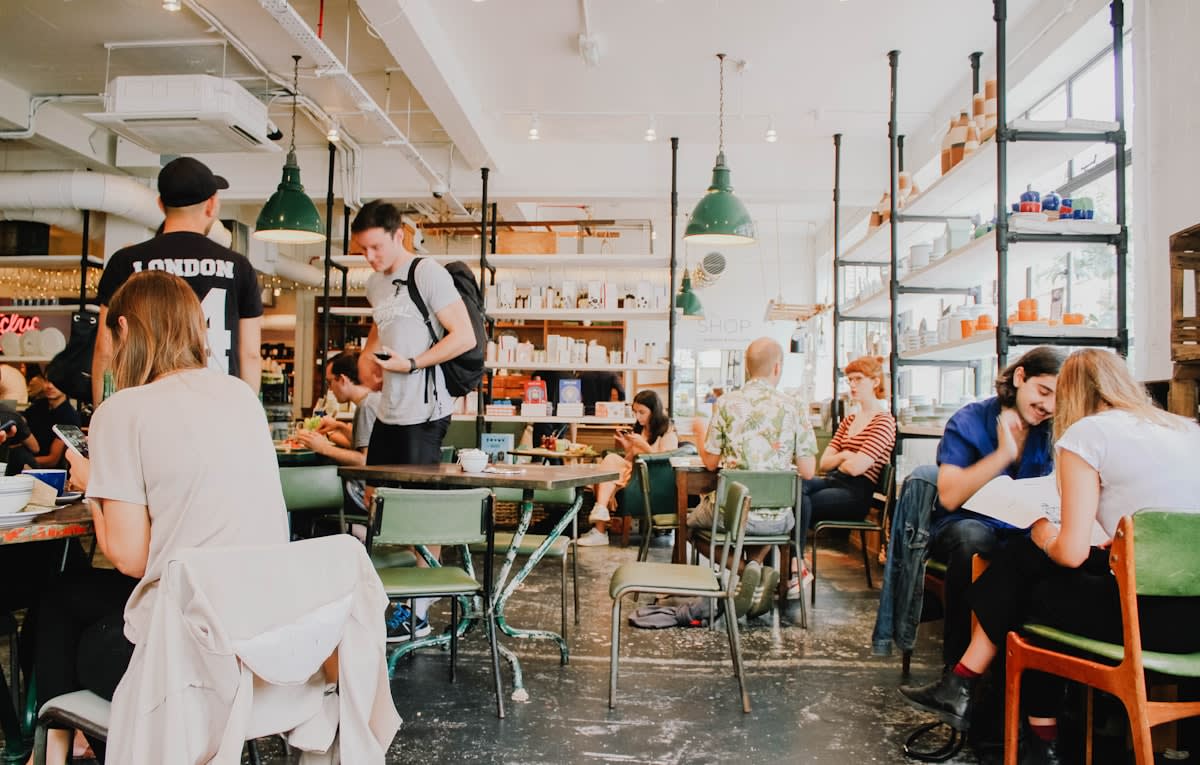
The industry doesn't want to fix the architecture; it wants to sell the remedy. Why invest in mixed-use zoning and walkable plazas when you can sell a $200-a-month membership to a 'social wellness club'? The incentive structure is completely inverted. The more isolated the city becomes, the more valuable the synthetic substitute becomes.
Yet, this trend is reaching a saturation point where the inefficiency of synthetic connection is becoming apparent.
Adaptation and the Future of Belonging
We are seeing a counter-trend: a desperate, almost primal return to 'analog' spaces. The resurgence of board game cafes in Seoul, the return of vinyl listening bars in New York, and the growth of community gardens in Mexico City suggest that the human appetite for authentic third places cannot be fully satiated by an app. These are not just nostalgic hobbies; they are acts of architectural rebellion.
- The 'Analog Pivot': A growing preference for high-friction, tactile social environments over digital ones.
- Hyper-Localism: The shift toward micro-communities focused on immediate physical proximity rather than global interest groups.
- Civic Re-Zoning: A movement among urbanists to mandate 'social infrastructure' in new developments to combat loneliness at the source.
- The De-commodification of Space: The rise of 'mutual aid' spaces and non-profit community hubs that resist the membership model.
The opportunity here is not in creating more apps, but in reimagining the 'infrastructure of encounter.' If we treat social connection as a utility—like water or electricity—rather than a luxury product, we can begin to rebuild the third places that sustain us. This requires a shift in how we value land and time. We must move away from the metric of 'revenue per square foot' and toward 'interaction per square foot.'
Ultimately, the loneliness industry is a symptom of a deeper systemic misalignment. We have optimized our cities for the movement of goods and the efficiency of labor, but we forgot to optimize for the movement of souls. The resilience of our societies depends on our ability to reclaim the middle ground—the spaces where we are neither producing nor consuming, but simply existing together.
Fact-Check & Accuracy Note
Key claims regarding the health impacts of social isolation are sourced from the World Health Organization's 2023 reports on social determinants of health. Data regarding urban zoning and the decline of walkable neighborhoods is attributed to the Urban Land Institute (2022). The conceptual framework of 'Third Places' is based on the sociological work of Ray Oldenburg. Note: The valuation of the 'loneliness economy' is an emerging field of analysis; while specific aggregate market caps are debated, the growth of companion AI and paid community platforms is documented across venture capital trends in 2023-2024.
Editorial Note
This analysis takes a contrarian view by framing loneliness not as a psychological crisis, but as a structural outcome of urban and digital architecture. The 'Strategic Analyst' perspective suggests that the market response (the loneliness industry) is a logical, albeit incomplete, adaptation to the loss of civic infrastructure.