Homemade aachar safety: How to spot spoilage and store pickles properly
Source Entity
The Indian Express
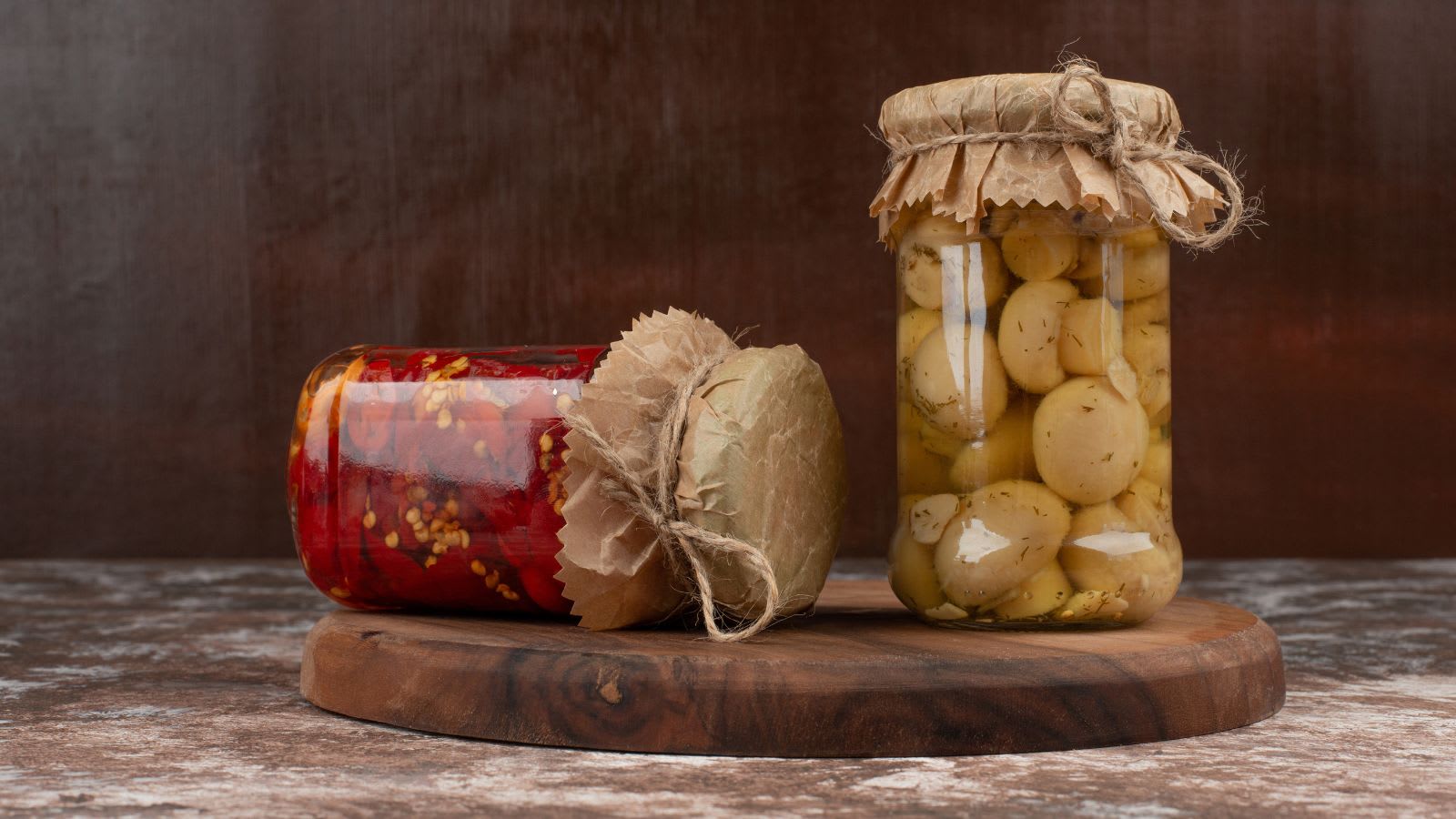
Homemade pickles are not naturally immune to spoilage, as their shelf life is dictated by ingredients, acidity, and storage hygiene. Proper preservation relies on a balance of salt, oil, and moisture control to ensure safety.
The Science of Homemade Pickle Safety
Homemade aachar, a culinary cornerstone in Indian households, is often perceived as inherently stable due to traditional preservation methods. However, the assumption that homemade equals spoil-proof is a common misconception. The longevity of these pickles is fundamentally dictated by a complex interplay of chemistry, specifically the balance of salt, acidity, and oil, which work in tandem to inhibit the growth of spoilage microorganisms.
The Role of Preservation Agents
As highlighted by dietitian Umang Malhotra, the preservation of aachar is not a one-size-fits-all process. Oil-based pickles, such as those made from mango or green chili, leverage the hydrophobic nature of oil to create a barrier against oxygen, effectively slowing down oxidative rancidity and microbial colonization. When prepared under high standards of hygiene, these can maintain quality for several months. Conversely, fermented or salt-based pickles rely on the creation of an acidic environment to outcompete harmful bacteria, meaning their shelf life is inherently variable based on the specific fermentation technique employed.
Critical Factors Influencing Shelf Life
The primary enemies of pickle longevity are moisture and improper storage. Excess moisture introduced during the preparation process or through contaminated utensils can act as a catalyst for mold growth. Because the shelf life depends heavily on the specific ingredients and the concentration of preservatives like salt and acidic agents, it is impossible to apply a universal expiration date to homemade batches. Consumers must be vigilant in monitoring their jars for signs of spoilage, such as unusual odors, surface mold, or changes in texture.
Best Practices for Storage
To maximize the safety and flavor profile of homemade pickles, storage conditions must be optimized. This involves using airtight, sterilized glass containers and ensuring that the contents remain submerged in the oil or brine solution. Exposure to air is a significant risk factor that can compromise the protective environment of the pickle. Furthermore, keeping jars in a cool, dark place away from direct sunlight helps maintain the integrity of the spices and the preservative efficacy of the oil.
Conclusion: A Balanced Approach
While the tradition of making aachar at home remains a cherished practice, it requires a nuanced understanding of food safety. By controlling moisture, ensuring adequate acidity, and maintaining strict hygienic standards during preparation, households can continue to enjoy these traditional staples safely. Ultimately, the safety of a pickle is not guaranteed by its homemade origin but by the precision of its preparation and the rigor of its storage.