
The luxury market is currently facing a crisis of authenticity. Research by the European Commission reveals that mislabeling in the textile industry is widespread, with a startling 40% of garments found to be inaccurate or misleading. For those handling high-value West African textiles, this is not merely a regulatory hurdle; it is a direct threat to brand equity. When a label claims a specific biological origin but the fiber tells a different story, the value of the luxury asset collapses. The solution requires a shift from trusting labels to verifying biological provenance.
Prerequisites for Authentication
To execute this authentication process, practitioners require access to Tier 4 production data, independent audit certifications from bodies like Textile Exchange, and a localized sourcing map that mirrors the visibility of European regenerative cotton models.
The Protocol for Biological Verification
- Establish a Localized Sourcing Perimeter: Mimic the Greek model seen at Nafpaktos Cotton, where fibers are grown and processed within a tight geographic jurisdiction to eliminate the risk of contamination from external, lower-grade markets.
- Implement a Chain-of-Custody System: Deploy the Textile Exchange framework, utilizing independent audits and transaction certificates that track the material from Tier 4 production through to the final garment.
- Execute Biological Fiber Testing: Move beyond visual inspection to verify that the natural fibers match the biological signature of the claimed region, ensuring the yarn has not left the designated jurisdiction during processing.
- Integrate AI Discovery Tools: Use generative AI engines to map the customer journey and verify provenance claims against global trade data, mirroring the strategy now adopted by 22% of luxury houses.
- Formalize Provenance Documentation: Create a definitive provenance letter for every high-value piece, similar to the documentation used for historic artifacts, detailing the exact biological origin and the chain of ownership.
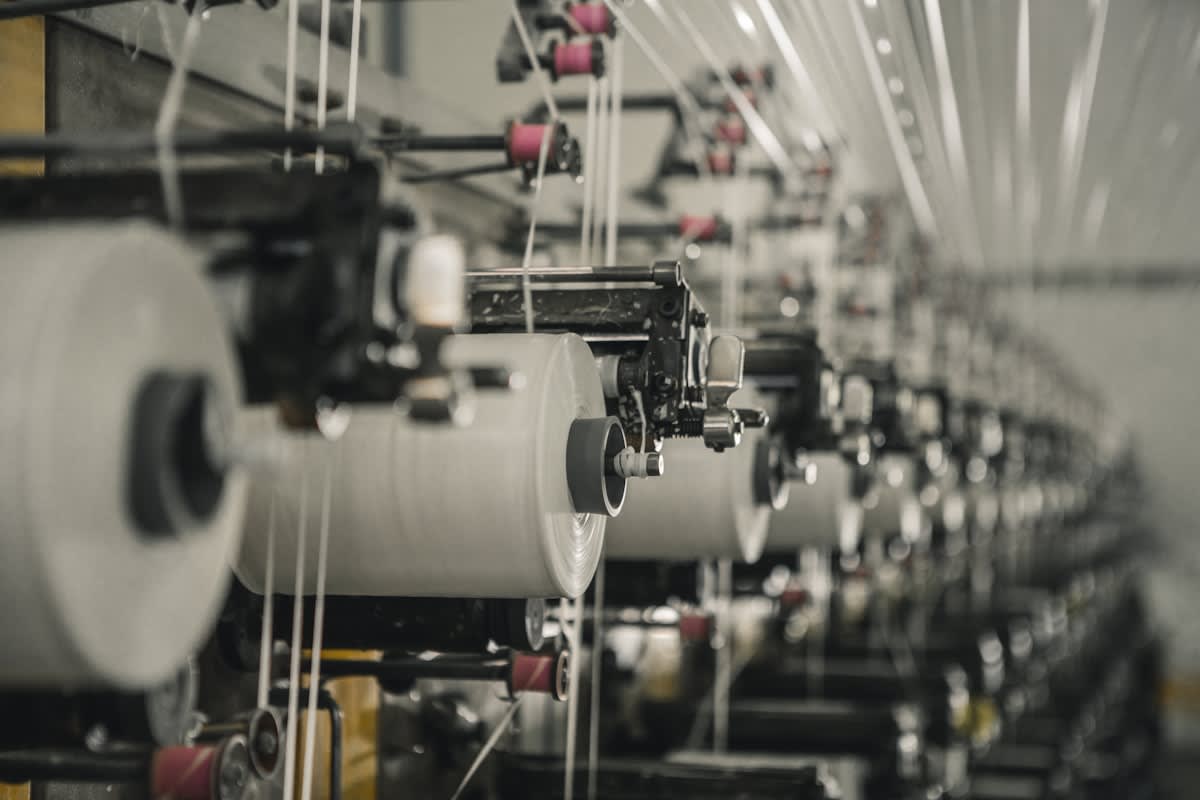
Why does localization matter? Look at the current strategy of European luxury houses sourcing regenerative cotton from Greece and Spain. By keeping the spinning mills and farms in close proximity, they achieve greater visibility and risk management. In the context of West African textiles, this means eliminating the 'black box' of intermediate trading hubs. If the fiber is grown and processed within a controlled regional jurisdiction, the opportunity for fraud is drastically reduced. It transforms the supply chain from a series of hand-offs into a transparent loop.
The technical execution of this visibility depends on the chain-of-custody. Ashley Gill of Textile Exchange notes that the industry has long lacked a reliable verification process for fibers and finished products. The answer lies in transaction certificates. These are not mere receipts; they are biological passports. By requiring independent audits at every stage of production, a practitioner can ensure that the luxury textile in their hand is the same material that left the farm. This removes the reliance on the manufacturer's word, which, as the European Commission report suggests, is often unreliable.
The Role of Intelligence in Provenance
Artificial Intelligence is no longer a futuristic concept for luxury houses; it is a strategic necessity. According to research from Bain & Company and the Comité Colbert, AI has climbed to the top three strategy points for 22% of luxury houses, a massive jump from only 5% in 2024. This surge is driven by the need to manage the customer journey and verify authenticity in real-time. For West African textiles, AI can be used to cross-reference biological data with known regional production capacities, flagging anomalies that suggest a garment is mislabeled.
"Luxury houses face a twofold urgency: Moving from broad internal experimentation to real business impact, and building their presence within the new discovery environments represented by generative AI engines."— Joëlle de Montgolfier, Bain & Company
When AI is integrated into the authentication process, it allows the buyer to move from passive trust to active verification. Does the volume of 'authentic' textile coming out of a specific region exceed the biological capacity of that region's land? If so, the provenance is fraudulent. This level of clinical precision is what separates a luxury asset from a high-end counterfeit. The data does not lie, even when the labels do.
Finally, the physical artifact must be paired with a legal narrative. The auction world provides the best blueprint here. Whether it is a Keffiyeh in a high-end art sale or a historic artifact like the felt-tip pen used by Buzz Aldrin, the value is derived from the provenance letter. This document serves as the final anchor, linking the biological evidence and the AI verification to a human history of ownership. Without this letter, the textile is just fabric; with it, it is a documented asset.
Authentication Metrics Comparison
| Verification Method | Traditional Approach | Master Practitioner Approach | Risk Level |
|---|---|---|---|
| Label Trust | Manufacturer Statement | European Commission Audit | High (40% Error) |
| Sourcing | Global Market Purchase | Localized Jurisdictional Loop | Low |
| Tracking | Bill of Lading | Textile Exchange Certs | Very Low |
| Verification | Visual Inspection | AI-Driven Capacity Analysis | Low |
The transition from traditional trust to technical verification is not optional. As the luxury market evolves, the ability to prove biological provenance will be the primary differentiator between sustainable growth and catastrophic brand failure. The tools are already in place—from the regenerative farms of Greece to the AI strategies of the Comité Colbert. The only remaining variable is the willingness of the practitioner to implement these rigorous standards.
Common Pitfalls in Provenance Verification
- Accepting low prices: The European Commission warns that very low prices or deals that seem too good to be true are primary indicators of mislabeling.
- Ignoring Tier 4 data: Relying on the final manufacturer while ignoring the raw fiber source creates a blind spot where 40% of errors occur.
- Over-reliance on visual markers: Biological provenance cannot be seen with the naked eye; it requires transaction certificates and audits.
- Lack of provenance letters: Failing to document the chain of ownership reduces the asset's value in the secondary luxury market.