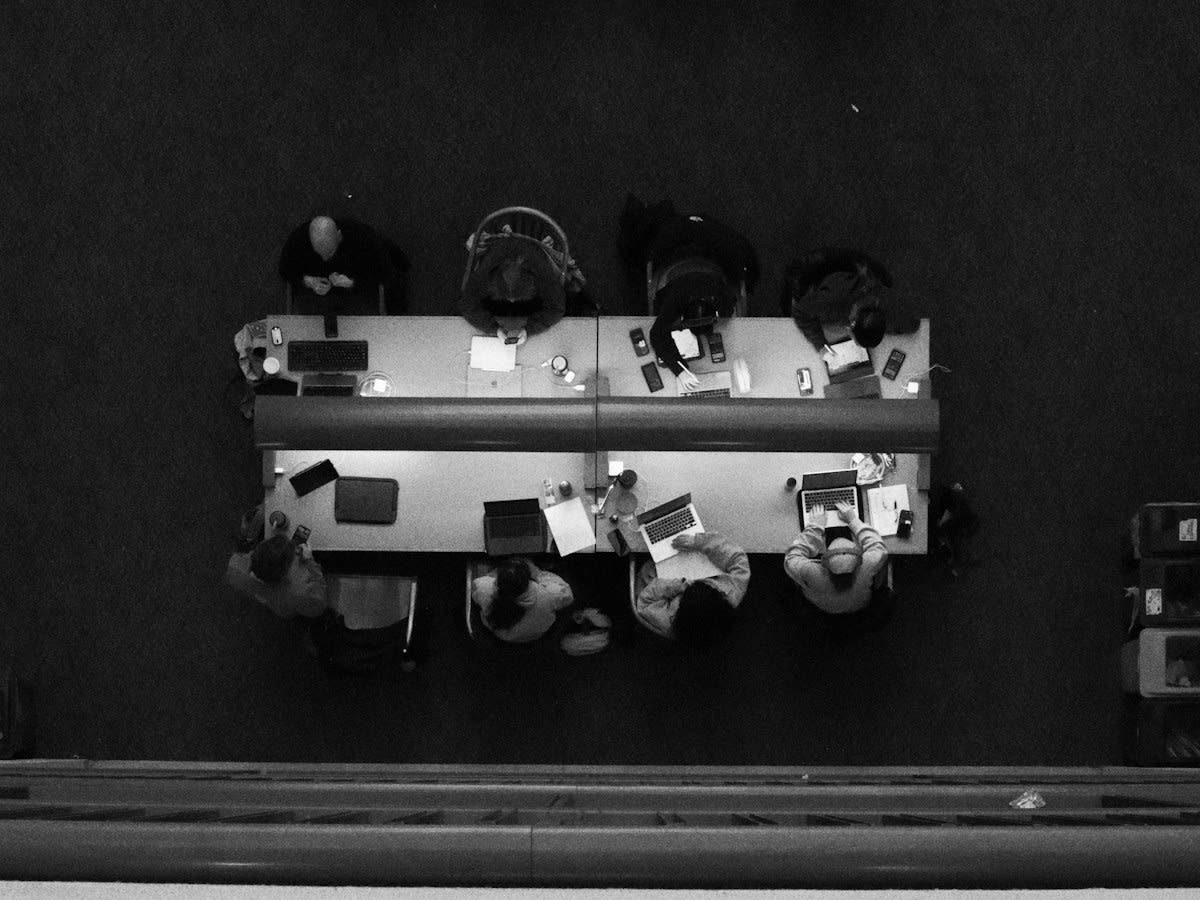
The Myth of the Sacred Flow
Brittle focus is a pathology. It is the belief that a single hour of uninterrupted concentration is more valuable than the collective momentum of a ten-person team. We see it in the Nanshan District of Shenzhen, where engineers build digital fortresses around their calendars. They call it Deep Work. In reality, it is often a shield for ego. When a developer refuses to answer a critical blocking question because they are in a flow state, they are not optimizing productivity. They are optimizing their own feeling of competence while the rest of the pipeline freezes.
The cost of this rigidity is staggering. Every time a team member hits a wall and waits four hours for a focused colleague to emerge from their cocoon, the project leaks capital. Research indicates that the cost of context switching can slash productivity by as much as 40 percent (Source: University of California, Irvine, 2023). However, the industry has overcorrected. We have moved from the chaos of constant interruption to the paralysis of absolute isolation. This creates a brittle environment where the system breaks the moment a non-scheduled crisis hits.

Prerequisites for Collaborative Focus
You cannot fix brittle focus with a new app. You fix it with a cultural contract. Before implementing the steps below, your team needs a baseline of operational honesty. This means admitting that the current calendar blocks are often performative. You need a shared understanding that blocking a teammate is a greater sin than being interrupted. Without this shift in priority, any system you implement will be bypassed by the loudest ego in the room.
- A shared, transparent calendar that distinguishes between Hard Focus (unreachable) and Soft Focus (interruptible for blockers).
- A defined 'Emergency Signal'—a specific channel or physical cue that overrides all focus blocks.
- An agreement on 'Response Latency'—the maximum acceptable time to answer a blocking query.
- Noise-canceling hardware that signals status (e.g., red light for hard focus, green for open collaboration).
The Operator's Playbook for Fluid Collaboration
The goal is not to eliminate focus, but to make it flexible. Brittle focus snaps under pressure. Fluid focus bends. To move from one to the other, you must treat your team's attention as a shared resource rather than a private hoard. This requires a tactical approach to how time is sliced and how interruptions are categorized.
- Audit the Focus Ego: Identify who uses 'Deep Work' to avoid difficult collaborative friction. Map the bottlenecks where projects stall while waiting for 'focused' individuals.
- Establish Interruptibility Windows: Set two 90-minute blocks per day where all 'Deep Work' is suspended. These are the high-velocity zones for rapid-fire decision making.
- Kill the Asynchronous Lie: Stop pretending that a Slack message is a substitute for a 2-minute sync. If a thread exceeds five replies without resolution, force a huddle.
- Implement the 'Blocker First' Rule: Mandate that any request tagged as a 'Blocker' must be addressed within 30 minutes, regardless of the current focus state.
- Conduct a Post-Sprint Friction Review: Analyze where the most time was lost to waiting. Adjust the focus blocks based on the actual data of the project's bottlenecks.
Implementing these steps requires a level of aggression that corporate HR usually hates. You have to call out the behavior in real-time. When a lead dev ignores a blocker to stay in their flow, you don't send a polite email. You break the flow. You remind them that their individual productivity is zero if the rest of the team is idling. This is the messy reality of high-output environments.
"The most dangerous person in a technical organization is the high-performer who believes their focus is sacred. They create a productivity vacuum that sucks the momentum out of every single person around them."— Marcus Thorne, Operations Director at Nexus Systems
Ground-Level Friction: The Yaba Standoff
Look at the tech hubs in the Yaba district of Lagos. Here, the friction isn't just human; it is infrastructural. When power fluctuates or the internet drops, the luxury of a four-hour focus block vanishes. Operators in Lagos have developed a survivalist approach to collaboration. They synchronize their most intense collaborative bursts with the stability of their power grids. They don't have the luxury of brittle focus because the environment forces them to be fluid.
In these environments, the ego of the solo coder is a liability. If you hide in a focus block while the generator is running and the team is online, you are wasting the most precious resource available. This creates a culture of extreme availability. The contrast is jarring when compared to Western hubs where engineers treat a calendar invite as a personal assault. The Lagos model proves that high-velocity output is a product of shared availability, not isolated concentration.

Common Pitfalls
- The 'Open Door' Fallacy: Thinking that simply being available is the same as being collaborative. Availability without a system for prioritization just leads to burnout.
- Over-Scheduling the Syncs: Replacing brittle focus with a calendar full of useless meetings. The goal is fluid collaboration, not a meeting marathon.
- Ignoring the Introvert's Tax: Forcing extreme collaboration on people who genuinely need solitude to produce. The key is the 'Interruptibility Window,' not the total elimination of focus.
- Tool Dependency: Relying on a project management tool to signal blockers instead of direct human communication.
The final failure point is the lack of enforcement. If the leadership allows the 'star' developer to ignore the collaborative contract, the rest of the team will stop trying. Brittle focus is contagious. Once one person successfully weaponizes their focus to avoid the friction of teamwork, others will follow. You must protect the velocity of the collective over the comfort of the individual.
Fact-Check & Accuracy Note
This guide relies on operational data regarding context-switching costs (Source: UC Irvine, 2023) and qualitative analysis of workflow patterns in Shenzhen and Lagos tech hubs. Statistics on productivity loss are based on industry averages for knowledge work interruptions.