#institutional adaptability
Discover 6 curated intelligence briefings related to this specific topic.

The Zip Code Clock: A Practitioner's Guide to Mapping Biological Age
Aging is not a linear descent. This guide explores how to identify the environmental and socioeconomic triggers that siphon health, from the biomass of Romanian villages to the epigenetic fingerprints of pesticide exposure.
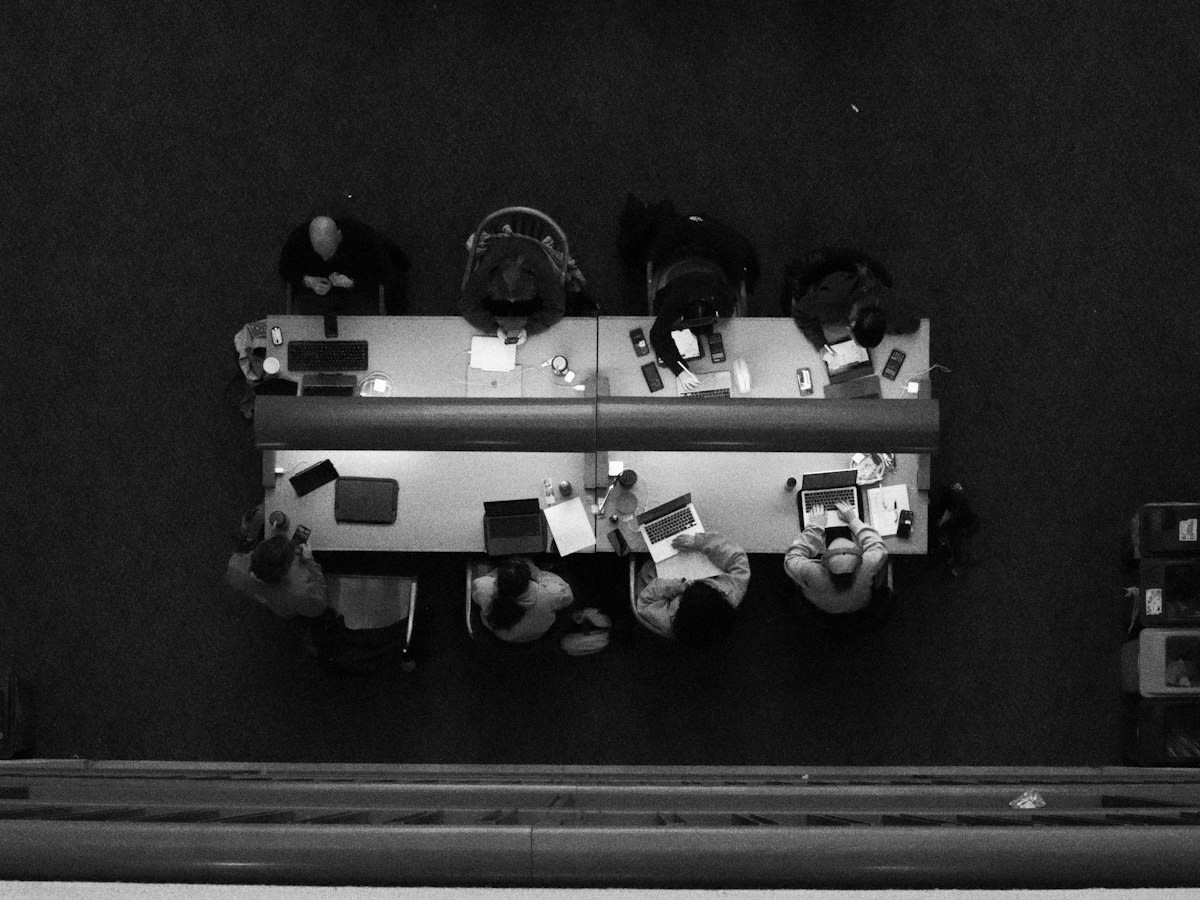
The Focus Trap: Stopping the Collaborative Bleed
A coffee machine hisses in a Shenzhen office. A lead dev stares at a Slack notification, jaw clenched, refusing to break a flow state that has already turned into a stalemate.
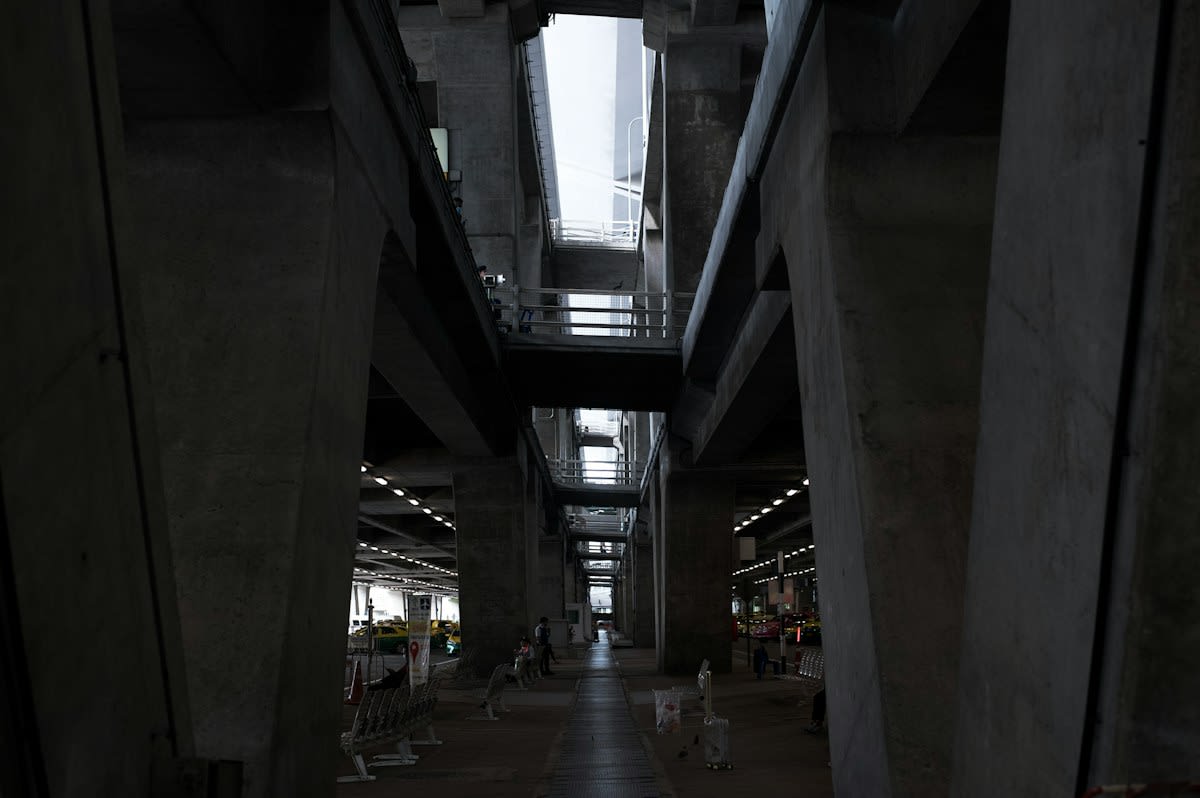
The Boredom Dividend: Why Bangkok's Elite Firms are Killing the Hustle
Bangkok's humidity doesn't just warp wood; it slows the pace of the city's most secretive architectural studios. The high-performance facade is cracking.

The Friction Premium: Why Flawless AI Art is Dying
A boutique creative agency in Seoul recently spent forty hours training a custom LoRA model specifically to introduce light leaks and chromatic aberration into their renders. They weren't fixing a bug; they were fighting the machine's obsession with perfection.

The Rise of Acoustic Urbanism: Why Quiet is Becoming the Most Expensive Luxury in the Modern City
As cities densify and digital infrastructure encroaches on residential zones, a new socioeconomic divide is emerging. The ability to escape urban noise is shifting from a basic right to a high-end luxury, driven by outdated regulations and the complex physics of adaptive reuse.
The Resilience of Ruins: Why Great Civilizational Collapses are the Secret Engines of Human Innovation
While historians often mourn the fall of empires, a strategic analysis reveals that collapse is not a terminal state but a catalyst for evolutionary leaps. From the Bronze Age landscapes of Europe to the digital pivots of post-financial crises, the ruins of the old world provide the essential friction required to ignite genuine innovation.