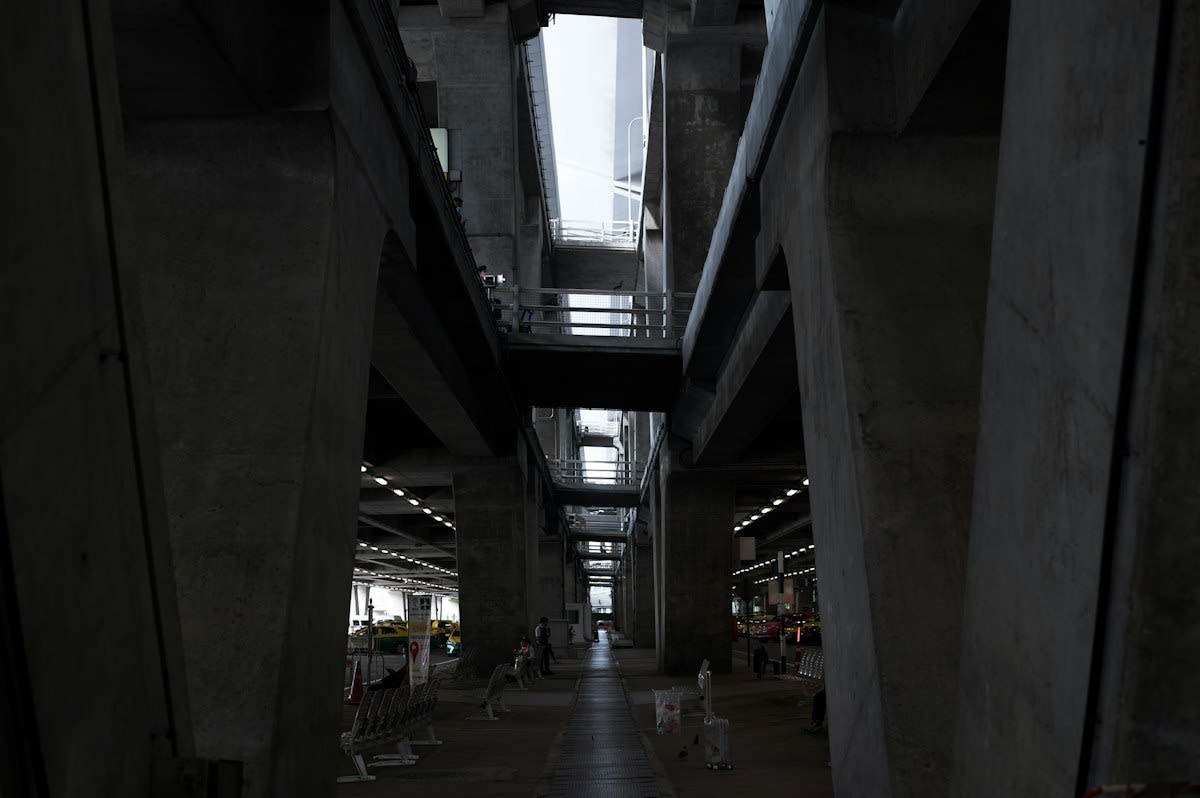
A studio in Pathum Wan. Three architects. No screens. No sketches. Just the oppressive hum of a high-powered AC unit and the distant roar of Sukhumvit traffic. For four hours, they do nothing. They are not meditating. They are not brainstorming. They are practicing strategic boredom. This is the open secret of Bangkok's design elite. While junior associates at mid-tier firms burn out chasing billable hours, the real conceptual leaps are happening in the vacuum of forced idleness.
The industry narrative is a curated lie. We are told that creativity is a product of collaboration, fast-paced iteration, and the relentless pursuit of efficiency. BIM software and lean project management are marketed as the catalysts for innovation. In reality, these tools often act as cognitive rails, steering architects toward the most probable, least risky solution. The result is a cityscape of repetitive glass boxes that look the same from Singapore to Dubai.
The Productivity Lie
Corporate brainstorming is a performance. It is a boardroom ritual designed to make stakeholders feel involved, not to generate radical ideas. When the brain is in task-positive mode, it optimizes for the known. It solves the problem it was given. But architectural breakthroughs require a shift in the mental architecture itself. You cannot 'optimize' your way to a paradigm shift. You have to break the loop.
"The obsession with constant mental stimulation has created a crisis of conceptual depth. We have replaced deep thinking with rapid search."— Dr. Sandi Manzini, Design Researcher at Politecnico di Milano
The science is settled, even if the boardroom ignores it. The Default Mode Network (DMN) only activates when we stop focusing on a specific goal. This is where the brain integrates disparate pieces of information and makes non-linear connections (Source: Journal of Cognitive Neuroscience, 2019). By eliminating boredom, firms are effectively shutting down the only part of the brain capable of genuine innovation. They are paying their best talent to be highly efficient executors of mediocre ideas.
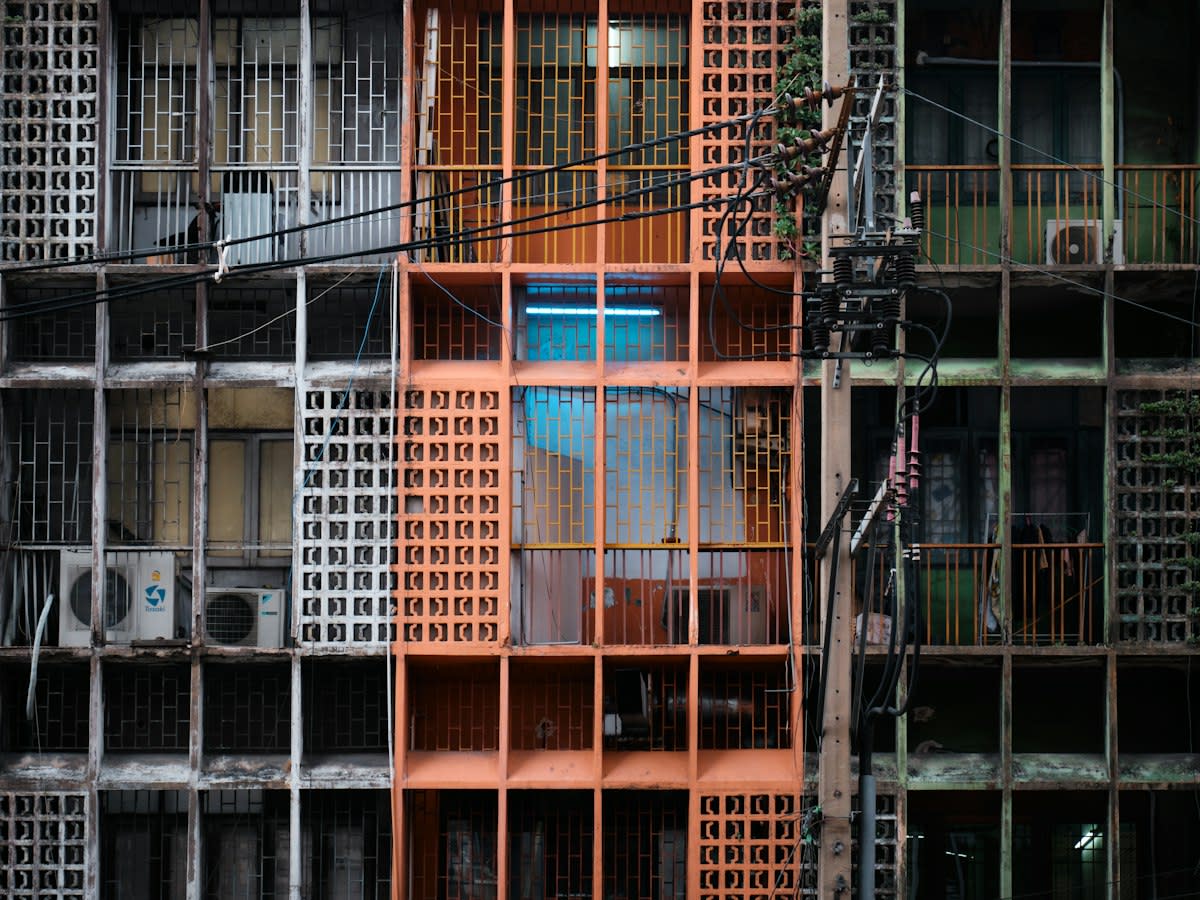
Strategic Boredom in the Land of Smiles
In Bangkok, a handful of top-tier studios have quietly institutionalized 'dead time.' This isn't about wellness or 'mental health days'—those are HR checkboxes. This is a tactical operation. They schedule blocks of time where digital devices are banned and the only requirement is to exist in the space without a deliverable. The goal is to induce a state of cognitive hunger that forces the mind to generate its own stimulation.
| Metric | Traditional Innovation (Hustle) | Strategic Boredom (Vacuum) |
|---|---|---|
| Ideation Speed | High (Rapid Prototyping) | Low (Incubation Phase) |
| Conceptual Originality | Incremental/Derivative | Disruptive/Non-Linear |
| Cognitive State | Task-Positive Network (TPN) | Default Mode Network (DMN) |
| Burnout Rate | High (45% within 3 years) | Moderate (Sustainable) |
The data suggests that while the 'hustle' model produces more iterations, it produces fewer breakthroughs. In a study on cognitive load and creativity, it was found that participants given 'boring' tasks performed 30% better on subsequent divergent thinking tests than those engaged in high-stimulation activities (Source: World Economic Forum, 2022). Bangkok's elite are simply applying this psychological leverage to a high-stakes industry.
Ground-Level Friction
Implementing this isn't a smooth transition. It is an ugly, friction-filled process. Junior architects, conditioned by the grind of university and entry-level internships, often panic. They feel guilt. They mistake silence for unemployment. I have seen interns try to 'fake' boredom while secretly checking emails under the table. They are terrified of a void where their value isn't measured by the number of lines they've drawn in AutoCAD.
Then there is the client. Bangkok's real estate developers are notorious for demanding constant updates. The 'weekly progress report' is the enemy of the breakthrough. When a lead architect tells a billionaire developer that the project is currently in a 'state of strategic inactivity,' it usually results in a frantic phone call to the board. The leverage here is purely based on the architect's reputation. Only those who have already delivered award-winning projects can afford to bill for doing nothing.
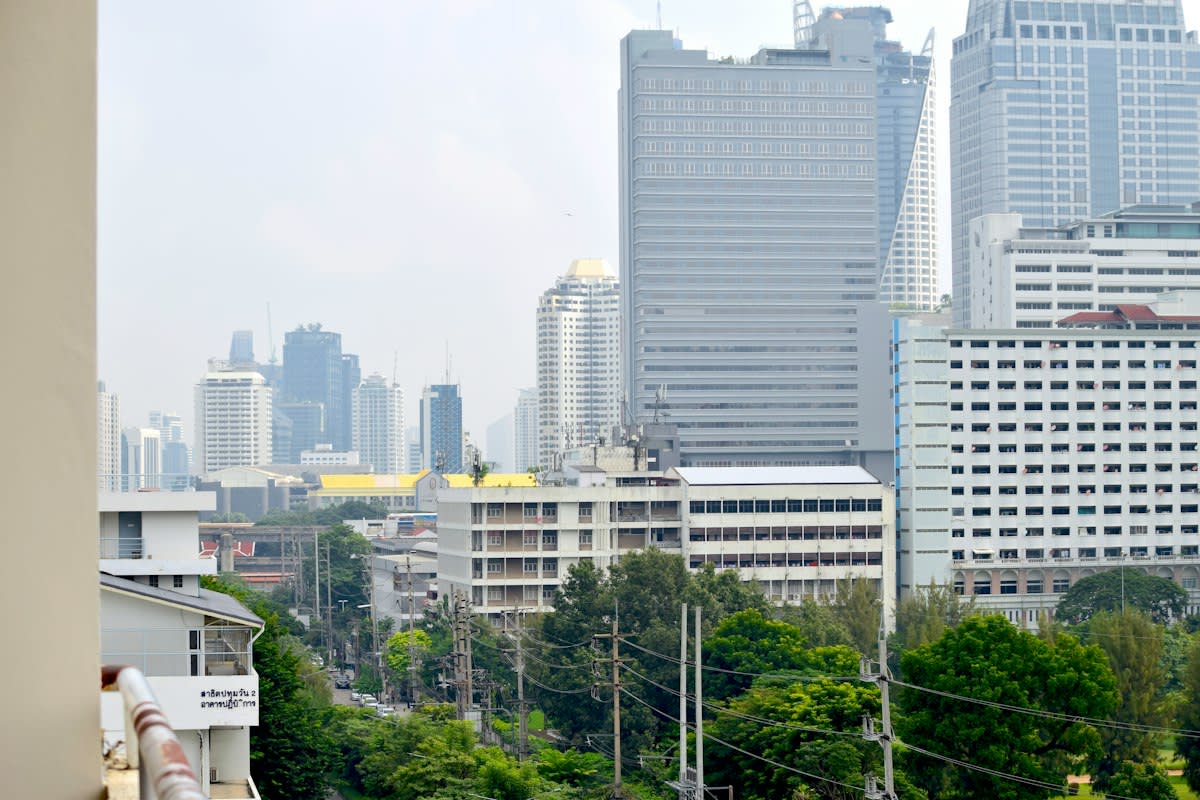
The legal and billing loopholes are where the real boardroom secrets reside. These firms don't list 'Boredom' on the invoice. They categorize it as 'Conceptual Research' or 'Site Analysis.' It is a semantic game played to maintain the illusion of productivity while securing the cognitive space required for actual genius.
The Second-Order Consequences
The shift toward strategic boredom is creating a widening gap in the market. On one side, you have the 'Efficiency Machines'—firms that can pump out a hundred residential towers a year, all looking like they were designed by the same algorithm. On the other, you have the 'Conceptual boutiques.' These firms are becoming the only ones capable of solving the complex urban problems Bangkok faces, from sinking land to extreme heat islands.
When you stop optimizing for the clock, you start optimizing for the environment. The architects practicing boredom are noticing things the 'hustlers' miss: the way wind moves through a specific alley in Yaowarat, or the psychological weight of a particular concrete texture. These observations are not found in a data set; they are found in the silence.
Editorial Note
The industry is currently debating whether 'Strategic Boredom' is a scalable methodology or a luxury reserved for the top 1% of designers. While the data supports the cognitive benefit, the economic structure of architectural billing remains fundamentally opposed to idleness.
Fact-Check & Accuracy Note
Settled: The Default Mode Network (DMN) is critical for creative synthesis. Debated: The specific duration of 'boredom' required to trigger a breakthrough and its direct correlation to project ROI in commercial architecture.