#default mode network
Discover 6 curated intelligence briefings related to this specific topic.

The Boredom Arbitrage: Why Your Optimization Stack is a Cognitive Leash
The average executive in Seoul checks their device every 4.2 minutes, a frequency that correlates with a 30% drop in deep-work capacity (Source: Korea Institute for Health and Social Affairs, 2022). This is not a productivity glitch; it is a feature of the attention economy.
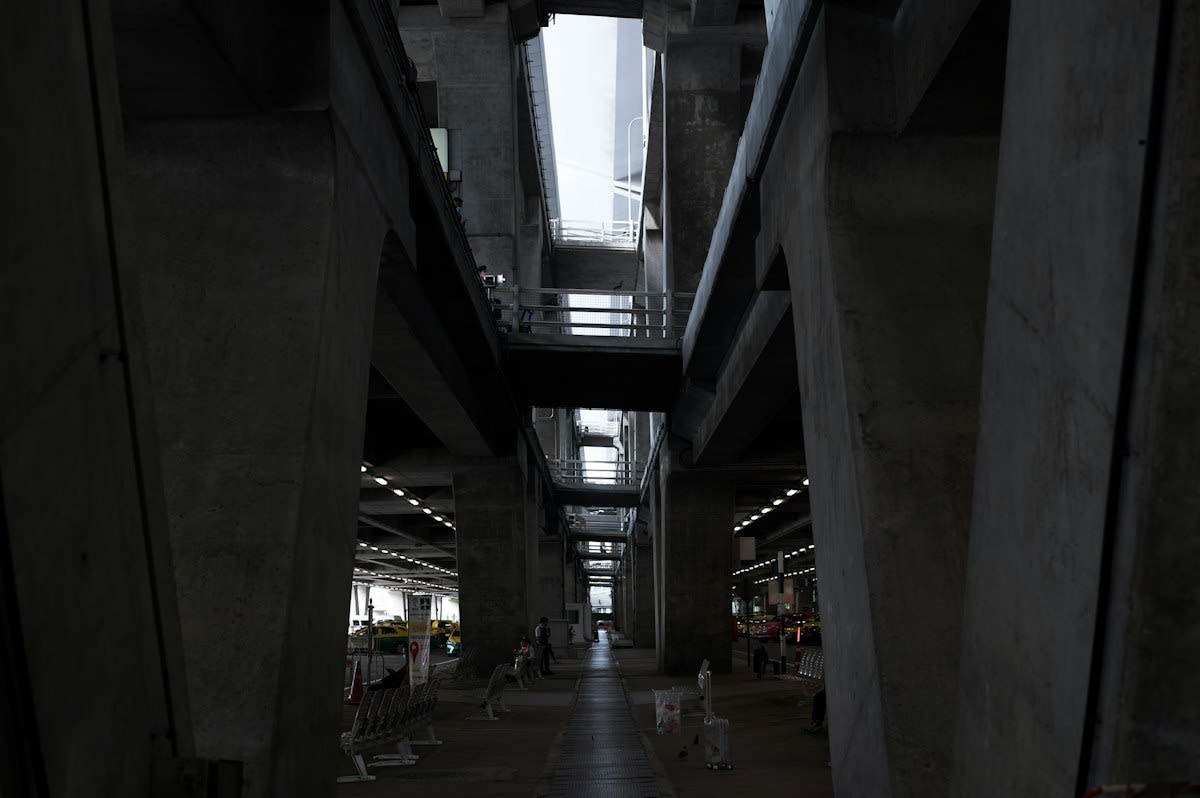
The Boredom Dividend: Why Bangkok's Elite Firms are Killing the Hustle
Bangkok's humidity doesn't just warp wood; it slows the pace of the city's most secretive architectural studios. The high-performance facade is cracking.
The Algorithmic Reset: A Master Practitioner's Guide to Reclaiming Your Taste from the Recommendation Engine
Stop letting a black box decide what you love. Learn the systematic process of breaking filter bubbles and diversifying your digital inputs to reclaim your authentic taste.

The Death of the Void: Why the Modern War on Boredom is Killing Our Capacity for Original Thought
We have mistaken the absence of stimulation for a problem to be solved. By eradicating boredom, we are inadvertently dismantling the neurological infrastructure required for deep synthesis and original thought.

The Quiet Vacuum: Why Silence is the Next Great Urban Commodity
Silence is no longer a default state of existence; it has become a luxury asset. This analysis explores how the systemic loss of quiet spaces is shifting human neurology from deep contemplation to constant reactive processing.

The Architecture of Strategic Boredom: Why High-Performers are Deliberately Engineering Low-Stimulation Zones
While the world obsesses over focus and executive function, a systemic shift is occurring among global high-performers. They are abandoning the cult of constant stimulation in favor of engineered boredom, leveraging the brain's Default Mode Network to synthesize ideas that focus alone cannot reach.