When will 14 State-run universities get Vice-Chancellors and Syndicates, Madras High Court asks T.N. government
Source Entity
India Latest News: Top National Headlines Today & Breaking News | The Hindu
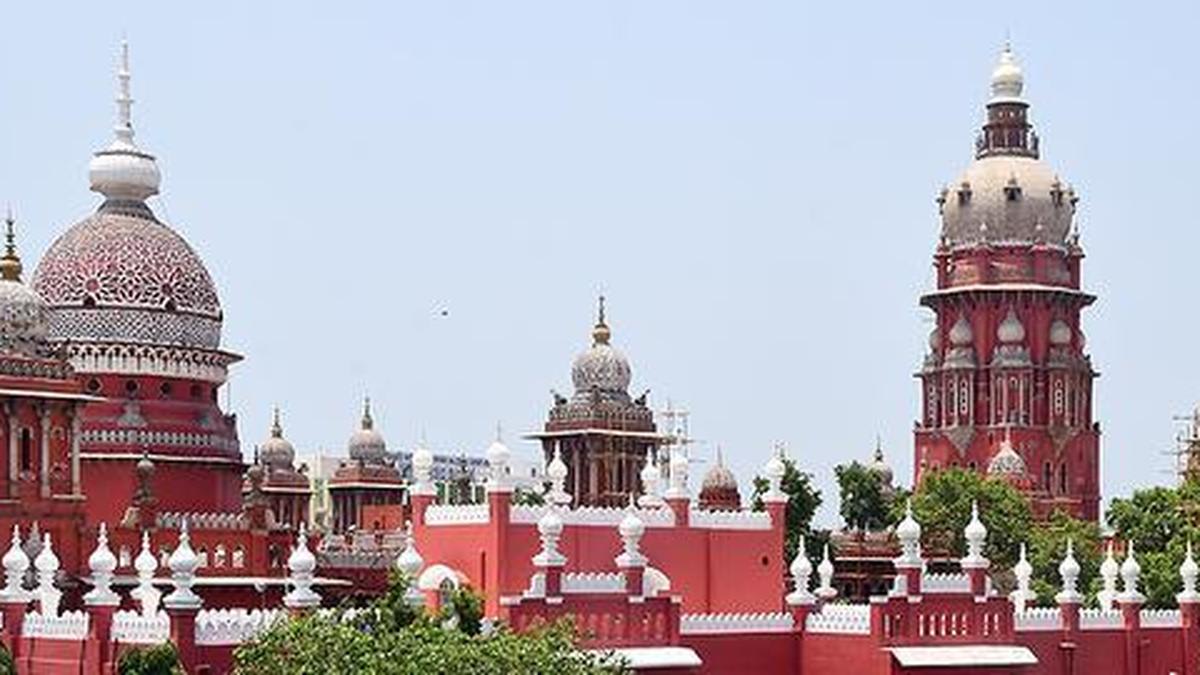
The Madras High Court has demanded an explanation from the Tamil Nadu government regarding the prolonged absence of Vice-Chancellors and Syndicates in 14 state-run universities. Justice N. Anand Venkatesh has impleaded the Higher Education Secretary to address this administrative vacuum by November 17, 2026.
Judicial Intervention in Tamil Nadu Higher Education
The Madras High Court, led by Justice N. Anand Venkatesh, has initiated a significant suo motu intervention regarding the governance crisis plaguing 14 state-run universities in Tamil Nadu. For the past three to four years, these institutions have been operating without permanent Vice-Chancellors or active Syndicates, a situation the court views with extreme concern regarding the administrative and academic health of these universities.
The Administrative Vacuum and Its Consequences
At the core of this legal action is the fundamental question of university autonomy and governance. A university without a Vice-Chancellor—the chief executive officer—and a Syndicate—the primary decision-making body—is essentially rudderless. This leadership vacuum creates a standstill in critical functions, including faculty appointments, infrastructure development, and policy implementation. The court’s intervention signifies a shift toward judicial oversight to ensure that state-run institutions do not collapse under the weight of bureaucratic neglect.
Legal Context and Procedural Steps
Justice Venkatesh has taken a proactive approach by impleading the Higher Education Secretary as a respondent in a series of pending applications. By requesting the presence of Advocate General Vijay Narayan, the court is signaling that it expects a high-level response from the state government. This is not merely a request for documentation but a formal demand for accountability regarding when normalcy will be restored across all 14 affected campuses.
Connections to Past Litigation
The current urgency is highlighted by the fact that the judge was already seized of eight sub-applications filed by retired employees of Annamalai University. These employees are seeking to reopen contempt of court petitions against the university Registrar. The intersection of these personnel issues with the broader systemic failure suggests that the lack of leadership is not an isolated incident but a pervasive trend that has likely exacerbated grievances among university staff and stakeholders.
Future Implications and Expectations
By setting a deadline of November 17, 2026, for an explanation, the court has placed the onus directly on the Tamil Nadu government to justify the prolonged absence of leadership. This timeline suggests that the court is prepared to move beyond procedural inquiry toward more concrete directives if the state fails to provide a viable roadmap for restoring functional governance. The implications for the state’s education sector are profound, as the restoration of these posts is vital for maintaining academic standards and institutional integrity.
Conclusion
The Madras High Court’s decisive action underscores the necessity of institutional stability in higher education. As the legal process unfolds, the focus remains on whether the government can address the systemic delays that have left these 14 universities in a state of administrative limbo for years.
Verification Required?