Tamil Nadu government releases three-year BESS policy
Source Entity
India Latest News: Top National Headlines Today & Breaking News | The Hindu
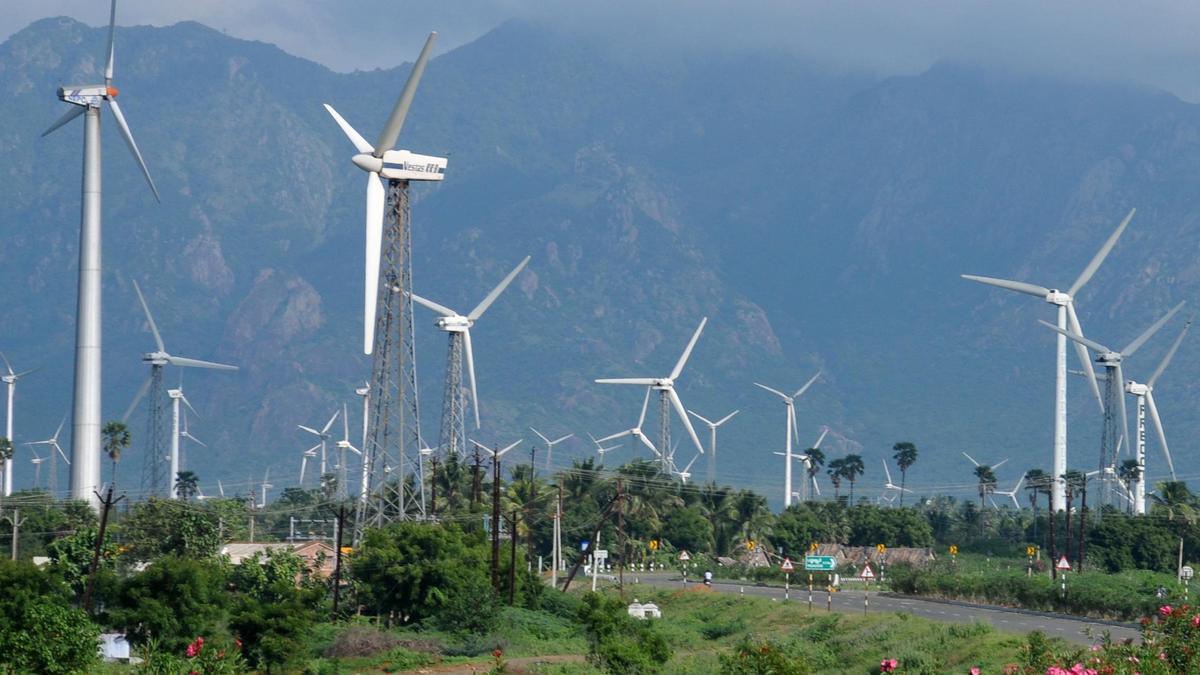
Tamil Nadu has launched a comprehensive three-year Battery Energy Storage System (BESS) policy targeting 2.5 GW capacity. The initiative mandates BESS integration for new renewable projects and offers significant financial incentives to stabilize the state's power grid.
Tamil Nadu’s Strategic Shift Toward Energy Storage
The Tamil Nadu government has officially unveiled its three-year Battery Energy Storage Systems (BESS) Policy 2026, a landmark initiative designed to modernize the state's energy infrastructure. By targeting the deployment of 2.5 GW/10 GWh of storage capacity, the state aims to address systemic power issues and transition toward a more resilient, renewable-heavy grid. This policy represents a pivotal moment for the state’s energy sector, moving beyond simple generation to prioritize the management and reliability of intermittent power sources.
Mandating Integration for Renewables
A cornerstone of this policy is the shift toward mandatory storage integration. The government has stipulated that new solar or solar-hybrid projects with a capacity of one MW or greater, commissioned on or after April 1, 2027, must install BESS capacity equivalent to at least 10% of their total installed solar capacity. This requirement is intended to bridge the gap between peak production and peak demand, ensuring that renewable energy is not just generated, but effectively harnessed and dispatched when the grid needs it most.
Financial Incentives and Market Growth
To ensure the feasibility of these ambitious targets, the policy provides substantial financial relief. By offering a 100% waiver on applicable transmission and wheeling charges for both co-located and standalone BESS projects, the government is lowering the barrier to entry for private developers. This fiscal support is critical for the Tamil Nadu Power Distribution Corporation (TNPDC) as it moves to procure 2,500 MW/10,000 MWh of storage, signaling a clear market signal for investors to participate in the state’s green transition.
Addressing Peak Management and Grid Stability
Beyond mere capacity building, the policy serves as a strategic tool for peak management and grid support. Existing wind and solar projects of one MW and above are being actively encouraged to integrate BESS, which will help mitigate the volatility associated with renewable energy sources. In the context of India’s broader climate goals, this policy acts as a blueprint for other states to follow, demonstrating how to balance rapid industrial growth with the inherent challenges of integrating decentralized, weather-dependent power sources.
Future Implications and Energy Security
The long-term impact of this policy lies in its potential to stabilize Tamil Nadu’s power supply, reducing the reliance on traditional thermal energy during periods of low renewable generation. As the state moves toward 2026, the successful execution of this 2.5 GW target will likely serve as a benchmark for India’s national energy storage strategy. By fostering a robust ecosystem for BESS, Tamil Nadu is positioning itself as a leader in the global energy transition, ensuring that its industrial and residential sectors enjoy a consistent and sustainable energy future.
Verification Required?