DU’s Daulat Ram College probes sexual harassment charge, sends Assistant Professor on leave
Source Entity
Gayathri Mani
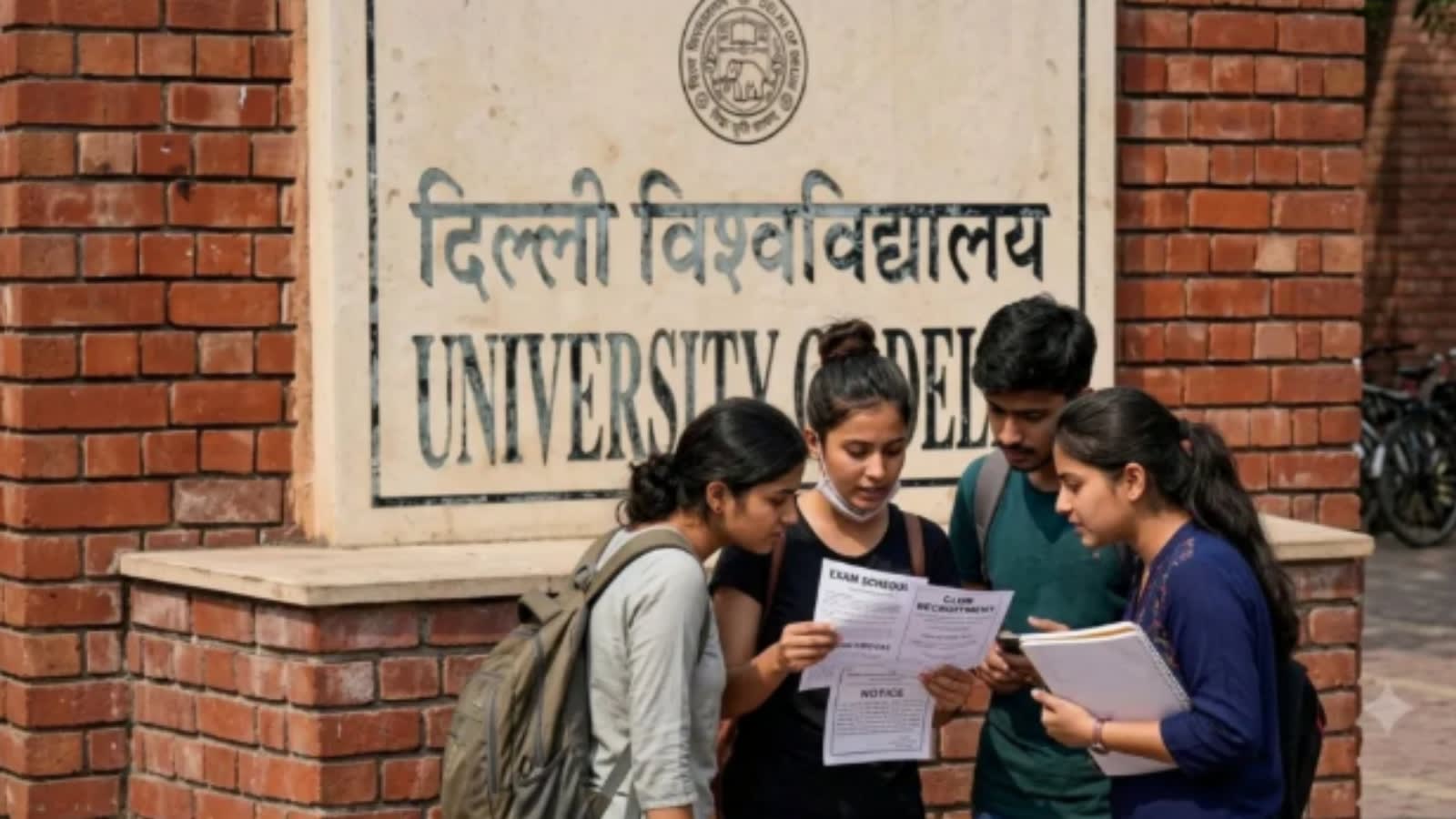
Daulat Ram College in Delhi University has placed an Assistant Professor on leave following allegations of sexual assault and harassment by a student. The college has initiated an internal inquiry, and a show cause notice has been issued to the accused.
Institutional Response to Harassment Allegations at Daulat Ram College
Delhi University’s Daulat Ram College (DRC) is currently navigating a serious disciplinary process following grave allegations of sexual assault and harassment against a 55-year-old Assistant Professor. The administration has taken immediate preliminary action by placing the faculty member on leave and issuing a formal show cause notice. This decisive move serves as a standard procedural safeguard intended to protect the student body and maintain the integrity of the academic environment while an internal investigation unfolds.
The Nature of the Complaint
According to the details provided, the formal complaint was lodged by a student on October 29, just two days after the alleged incident occurred on college premises. Beyond the specific allegation of assault, the student has reported a sustained pattern of inappropriate behavior, claiming that the professor had been sending her illicit messages for approximately three months. This escalation from digital harassment to physical assault allegations highlights a troubling trajectory that the college’s Internal Complaints Committee (ICC) must now rigorously examine.
Procedural Integrity and the Role of the ICC
Vice Principal Priti Malhotra has confirmed that an inquiry is underway but has maintained a stance of confidentiality, citing the ongoing nature of the internal committee’s work. In Indian higher education institutions, the Internal Complaints Committee is the primary body mandated by the Sexual Harassment of Women at Workplace (Prevention, Prohibition and Redressal) Act, 2013. The efficacy of this committee is paramount, as it acts as the primary arbiter of justice for students, ensuring that complaints are addressed without the accused being able to leverage their position of authority to influence the outcome.
Broader Implications for Academic Safety
This incident underscores the persistent challenges regarding student safety and faculty-student power dynamics within large public universities. When a faculty member is accused of systemic harassment, it calls into question the efficacy of existing monitoring systems. The fact that the alleged harassment persisted for three months before culminating in an assault charge suggests potential gaps in reporting mechanisms or a culture of silence that institutions must urgently address through better awareness and accessible grievance redressal channels.
Historical Context and Future Trends
Historically, Delhi University has faced scrutiny regarding the implementation of safety policies. As institutions move toward more transparent governance, the outcome of the DRC inquiry will likely serve as a benchmark for how similar cases are handled in the future. Moving forward, it is expected that the university will need to strengthen its sensitization programs for staff to prevent such breaches of professional ethics. The college's ability to provide a fair, transparent, and swift resolution will be crucial in restoring trust among the student community and maintaining the institution's academic reputation.