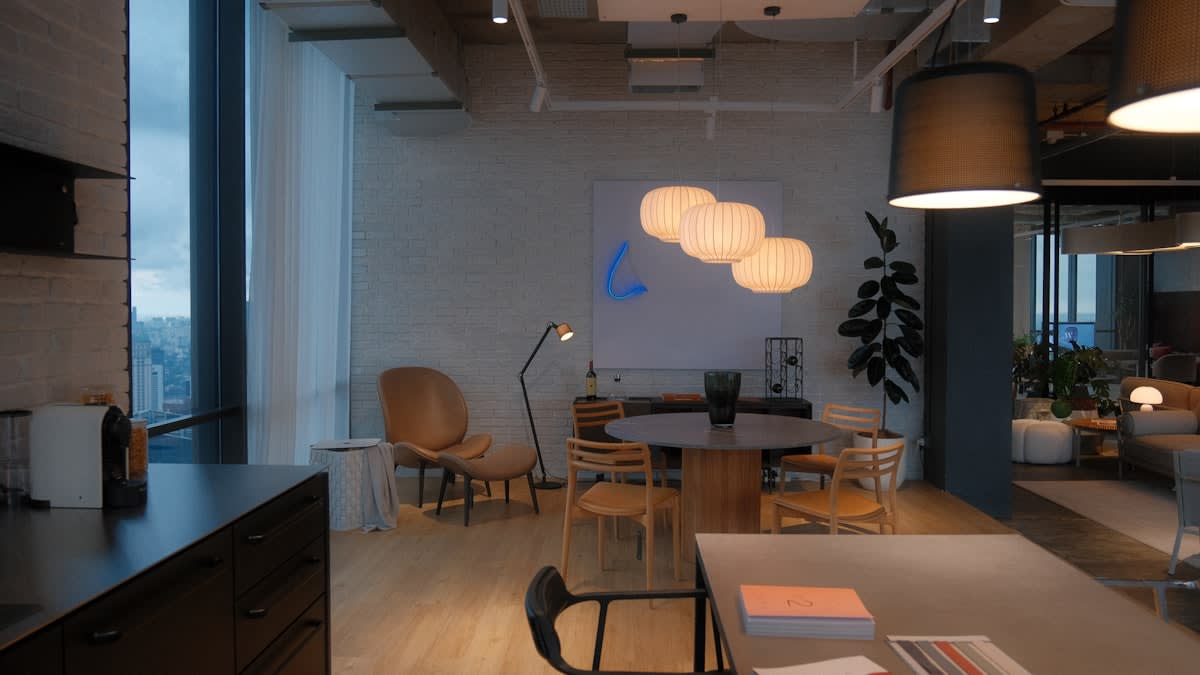
Silence used to be the default state of the outskirts; now, it is the rarest commodity in the city center. We are witnessing a fundamental shift in how urban value is calculated. For decades, proximity to transit and commercial hubs dictated real estate premiums. But as our cities become denser and the hum of the digital economy becomes an omnipresent roar, the metric of luxury is pivoting. The most expensive square footage in 2026 is no longer defined by the view from the window, but by what you cannot hear through the walls.
The Digital Hum and the Sterling Conflict
The tension between infrastructure and habitation has reached a breaking point in hubs like Sterling, Virginia. Recent reports from All Virginia News highlight a growing insurgency of residents fighting back against the acoustic pollution generated by massive data centers. These facilities, the invisible engines of the cloud, produce a constant, low-frequency drone that permeates residential neighborhoods. This is not merely a nuisance; it is a clash of priorities where the economic drive for data sovereignty collides with the human need for biological restoration.
"The Hidden Cost of Data: Residents Fight Back Against Noise"— All Virginia News, August 2026
This conflict is exacerbated by a staggering regulatory lag. A lawsuit against the FCC by the Environmental Health Trust underscores a systemic failure: the government is still relying on wireless limits established in 1996. For thirty years, the regulatory framework has remained stagnant while the technology it governs evolved exponentially. This gap creates a dangerous vacuum where the long-term effects of exposure—particularly for vulnerable populations like children—are ignored in favor of rapid deployment. When the law fails to evolve, the burden of protection falls on the individual, usually those with the capital to build their own acoustic fortresses.
Regulatory Failure
The delta between 1996 regulatory standards and 2026 technological reality has turned acoustic health into a private luxury rather than a public utility.
While the battle rages in the streets, a more subtle acoustic crisis is unfolding inside the buildings themselves. The trend of adaptive reuse—converting old warehouses or office towers into luxury lofts—is hitting a physical wall. Architects are discovering that a building's purpose is inextricably linked to its acoustic mission. An office is designed for a specific kind of noise: the hum of computers and the murmur of collaboration. A residence, however, demands a different kind of silence.
The Adaptive Reuse Paradox
According to insights from Architectural Record, residential occupants have an entirely different sensory threshold than commercial tenants. In a converted office, sounds that were once invisible become oppressive. The rhythmic thud of footsteps from the unit above, the metallic rattle of plumbing inside walls, and the vibration of elevator operations are not just annoyances; they are daily reminders that the structure was never intended for living. The failure of these projects often stems from a misguided belief that adding another layer of gypsum board can solve a systemic acoustic flaw.
| Acoustic Trigger | Office Environment Perception | Residential Environment Perception |
|---|---|---|
| Footsteps/Impact | Ambient background noise | Intrusive sleep disturbance |
| Plumbing/Mechanical | Ignored as utility sound | Privacy breach/Annoyance |
| Traffic/Vibration | External urban energy | Chronic stressor |
True acoustic success in these projects is not the result of a single high-performance wall. It is the product of hundreds of coordinated design decisions made long before the first resident moves in. This realization is driving a new wave of specialized acoustic engineering, where sound transmission paths are mapped with surgical precision. The result? A widening price gap between 'converted' spaces and 'acoustically engineered' spaces.
Engineering the Silence: The New Tech Frontier
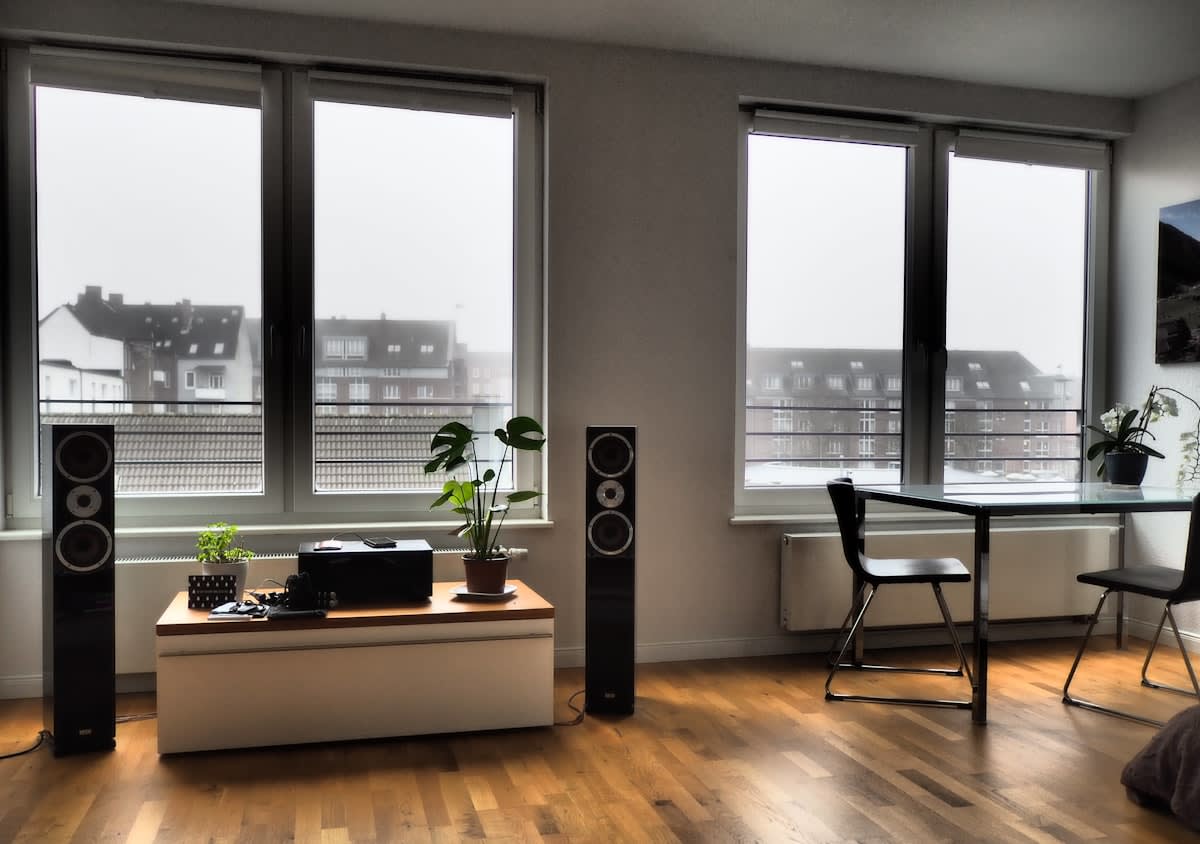
Innovation is finally catching up to the noise. Engineers at Boston University have developed a breakthrough sound-shield technology designed to reduce noise while allowing air to flow freely. This is a critical pivot. Historically, noise reduction meant blocking airflow, which sacrificed energy efficiency. This new technology could fundamentally change the footprint of air conditioners, airplanes, and—most importantly—the data centers that are currently fueling urban protests. By decoupling acoustic insulation from airflow restriction, we can finally build sustainable environments that do not sacrifice performance for peace.
Simultaneously, urban designers are moving toward a more holistic, multisensory approach. Balmori Associates is utilizing digital tools to conduct precise diagnoses of the sensory and perceptual properties of urban environments. By experiencing these properties in real-time, designers can anticipate acoustic problems in the initial phase of a landscape project. Whether it is a 50,000 SF waterfront development or a city park, the goal is no longer just visual aesthetics, but the curation of a sensory experience.
- Real-time sensory diagnosis to predict noise pollution before construction.
- Multisensory performance enhancement to create 'acoustic sanctuaries'.
- Integration of airflow-permeable sound shields in industrial equipment.
- Shift from passive sound-blocking to active acoustic curation.
The Economics of Urban Renewal
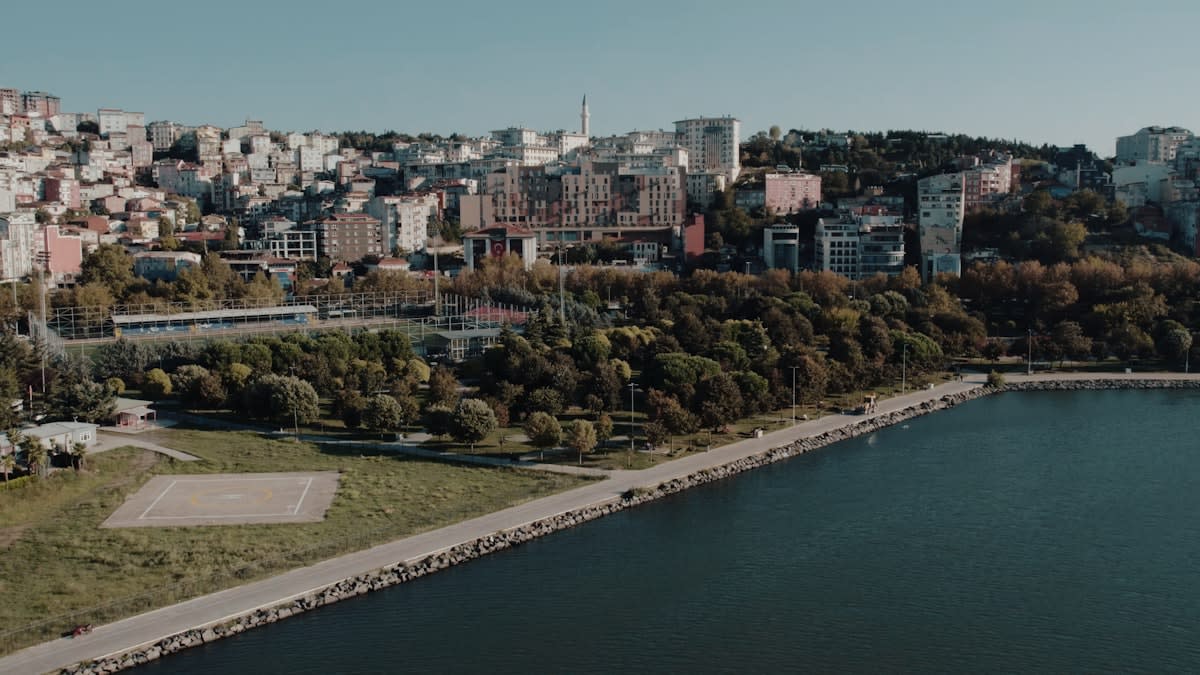
The drive toward acoustic urbanism is not just about comfort; it is about land value. Research from the ASCE Library indicates that for industrial land, higher land prices are a primary driver for urban renewal. However, this economic incentive often clashes with public perception. When an industrial site is renewed, the community's expectation for 'service improvements' and 'street experiences' often includes a demand for a quieter, more livable environment.
The Renewal Tension: Land Value vs. Public Sentiment
Executive Insight
+18.4%
YTD Growth
This creates a complex equation for developers. To maximize the value of renewed industrial land, they must balance the high cost of acoustic remediation with the public's demand for a peaceful residential experience. The result is a bifurcated market: high-end developments that can afford the 'acoustic mission' and lower-tier renewals that leave residents to deal with the remnants of the city's industrial roar. Silence is no longer an accident of geography; it is a calculated financial investment.
As we move deeper into 2026, the definition of a 'prime location' is being rewritten. It is no longer enough to be in the heart of the city; one must be in the heart of the city while remaining acoustically isolated from it. The rise of acoustic urbanism proves that in an age of constant connectivity and digital noise, the ultimate luxury is the ability to turn the world off.