Medicare prescription drug costs will jump 50% in 2027. Doing nothing could cost you.
Source Entity
Jessica Hall
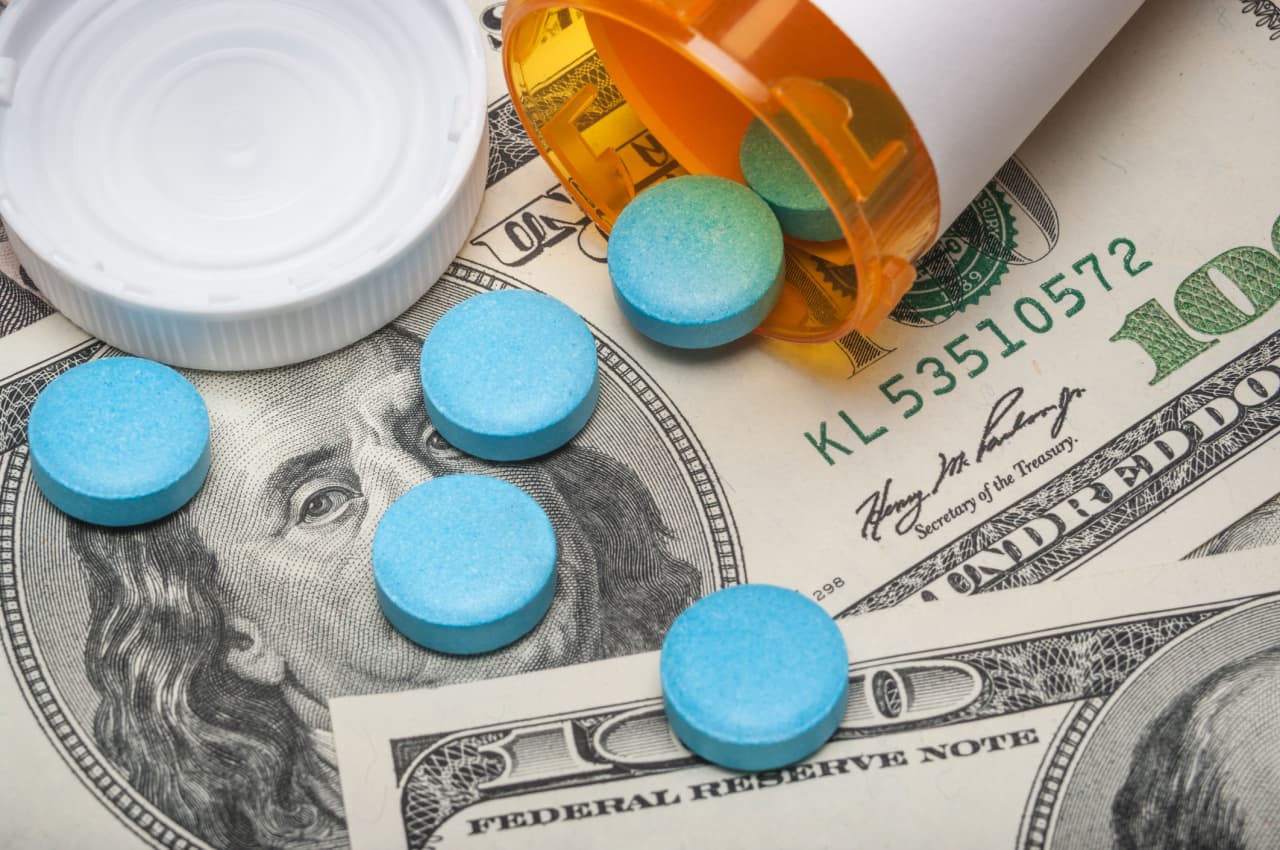
Medicare prescription drug costs are projected to increase by 50% in 2027. Experts advise beneficiaries to actively manage their plans during open enrollment to mitigate these financial impacts.
The Looming Medicare Cost Surge: A 2027 Reality Check
Recent projections indicate a significant financial challenge for Medicare beneficiaries, with prescription drug costs expected to rise by 50% by 2027. This anticipated hike represents a substantial shift in the healthcare landscape, forcing seniors and those on disability to re-evaluate their long-term financial planning. As drug prices fluctuate and policy frameworks shift, understanding the trajectory of these costs is essential for maintaining access to necessary medications without compromising personal financial security.
The Importance of Proactive Enrollment
The core message for beneficiaries is clear: do not remain passive during open enrollment periods. Sitting on the sidelines—essentially allowing an existing plan to auto-renew without comparison—is a strategy that may prove increasingly costly. By failing to audit coverage options annually, individuals risk being locked into plans that no longer offer the most favorable pricing structures for their specific medication regimens, especially as the 2027 fiscal cliff for drug costs approaches.
Analyzing Market Drivers
Several factors contribute to these rising costs, including the complex interplay between pharmaceutical pricing, pharmacy benefit manager (PBM) negotiations, and the evolving structure of Medicare Part D. As the market prepares for the 50% increase, the burden of cost-sharing is expected to shift more heavily onto the consumer. Beneficiaries must pay close attention to formulary changes, which dictate which drugs are covered and at what tier, as these details are often the primary drivers of out-of-pocket expenditure.
Strategic Financial Planning
To mitigate the impact of these rising costs, experts recommend a rigorous review of current drug usage against the projected coverage of available plans. This involves analyzing the 'total cost of care,' which includes monthly premiums, deductibles, and co-payments. By leveraging the open enrollment window, participants can switch to plans that provide better coverage for their specific prescriptions, potentially offsetting the brunt of the projected 2027 increases.
Future Implications and Conclusion
The trajectory of Medicare drug costs suggests that the era of 'set it and forget it' healthcare coverage is coming to an end. As we look toward 2027, the gap between those who actively manage their benefits and those who do not will likely widen in terms of financial health. Ultimately, the responsibility rests on the beneficiary to remain informed and vigilant, ensuring that their chosen coverage remains aligned with both their medical needs and their budgetary constraints in an increasingly expensive landscape.
Verification Required?