Why you should never wring your woollen shawl while washing it
Source Entity
The Indian Express
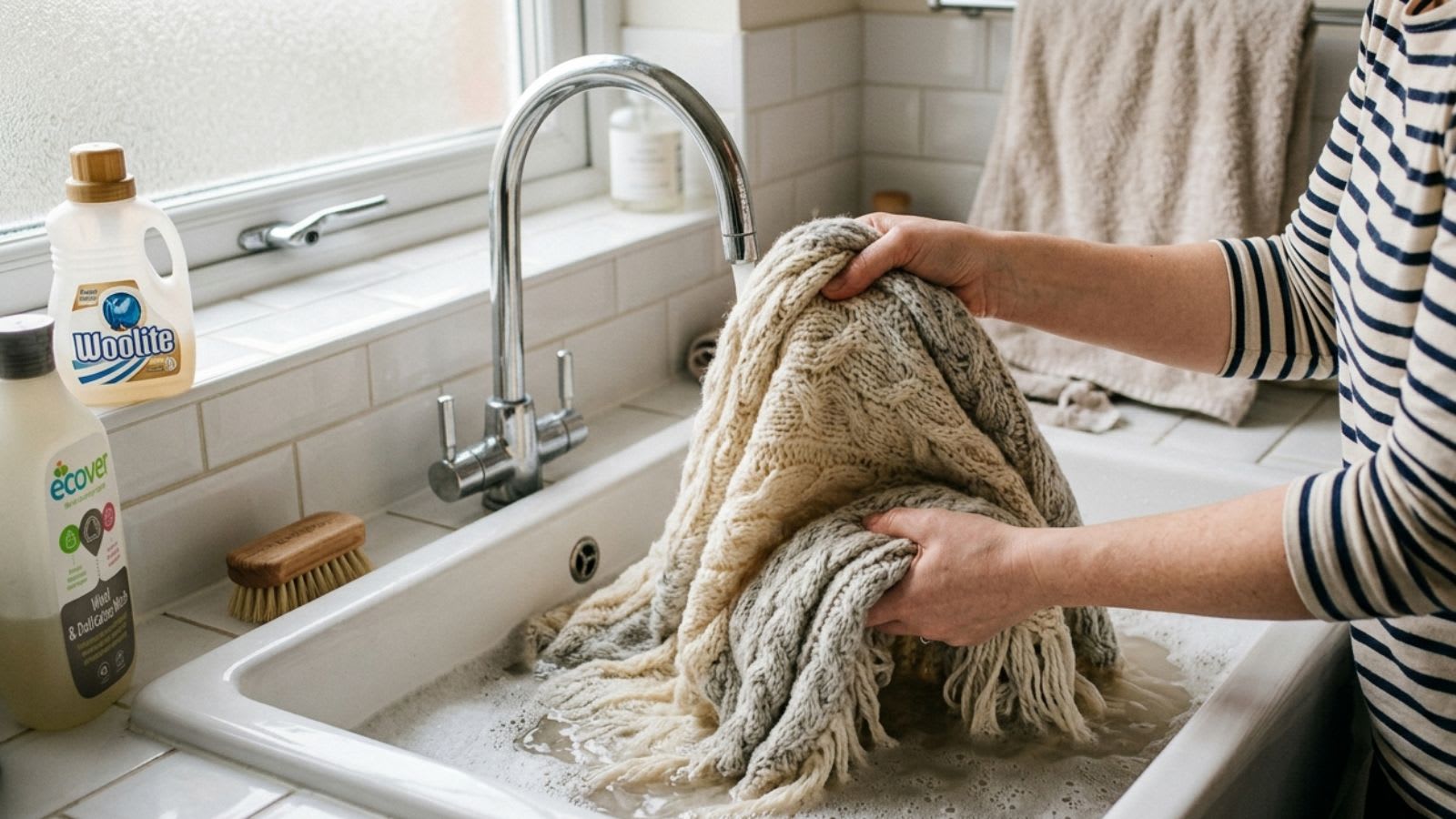
Proper care for woollen garments requires avoiding heat, friction, and wringing to prevent fiber damage. Expert advice suggests that most woollens can be safely washed at home with gentle handling techniques.
The Art of Wool Care: Preserving Your Winter Wardrobe
As the winter season approaches, woollen garments such as shawls, jackets, and blazers transition from seasonal storage back into our daily rotation. While these pieces are essential for warmth and style, the maintenance of delicate natural fibers often causes significant anxiety for owners. The fear of shrinking or ruining an expensive wrap frequently leads to unnecessary dry cleaning expenses or, conversely, improper washing that leads to permanent damage.
Understanding Woolen Fiber Mechanics
Contrary to popular belief, the primary enemy of wool is not water itself, but rather the physical and thermal stress applied during the cleaning process. According to Nabanita Ghosh, Co-Founder & Director of Abritee, wool is a resilient material that can be effectively managed at home. The critical insight into fiber longevity lies in understanding that wool structures are highly sensitive to heat, friction, and mechanical agitation.
The Dangers of Wringing and Friction
When washing woollen shawls—ranging from delicate pashminas to heavy-duty wraps—the process of wringing is the most common cause of structural failure. Wringing exerts intense mechanical pressure on the individual wool fibers, causing them to lock together through a process known as felting. Once these fibers have interlocked due to friction and twisting, the garment loses its elasticity and shape, resulting in irreversible shrinkage.
Temperature and Chemical Considerations
Beyond physical handling, the role of temperature cannot be overstated. Exposure to high heat during washing or drying cycles accelerates the contraction of wool fibers. To maintain the integrity of a garment, one must prioritize a "gentle" approach. This involves using cool to lukewarm water and avoiding harsh scrubbing motions that mimic the effects of wringing, thereby keeping the fiber scales smooth and intact.
Expert Recommendations for Longevity
Expert guidance suggests that with the right technique, most woollens are not only washable at home but can actually have their lifespan extended through proper care. By eliminating the aggressive habits of wringing and high-heat washing, owners can protect their investments. The emphasis should always remain on treating the fabric with care, ensuring that the natural properties of the wool are preserved for many winters to come.
Conclusion: A Sustainable Approach to Fashion
Ultimately, caring for your woollen apparel is a matter of technique rather than specialized equipment. By acknowledging that wool thrives in gentle environments and suffers under harsh mechanical stress, consumers can confidently maintain their wardrobes. Adopting these simple, expert-backed practices ensures that your winter staples remain in pristine condition, offering both sustainability and long-term value.