Telangana FMGs to resume peaceful protest from November 4 over stipend disparity
Source Entity
India Latest News: Top National Headlines Today & Breaking News | The Hindu
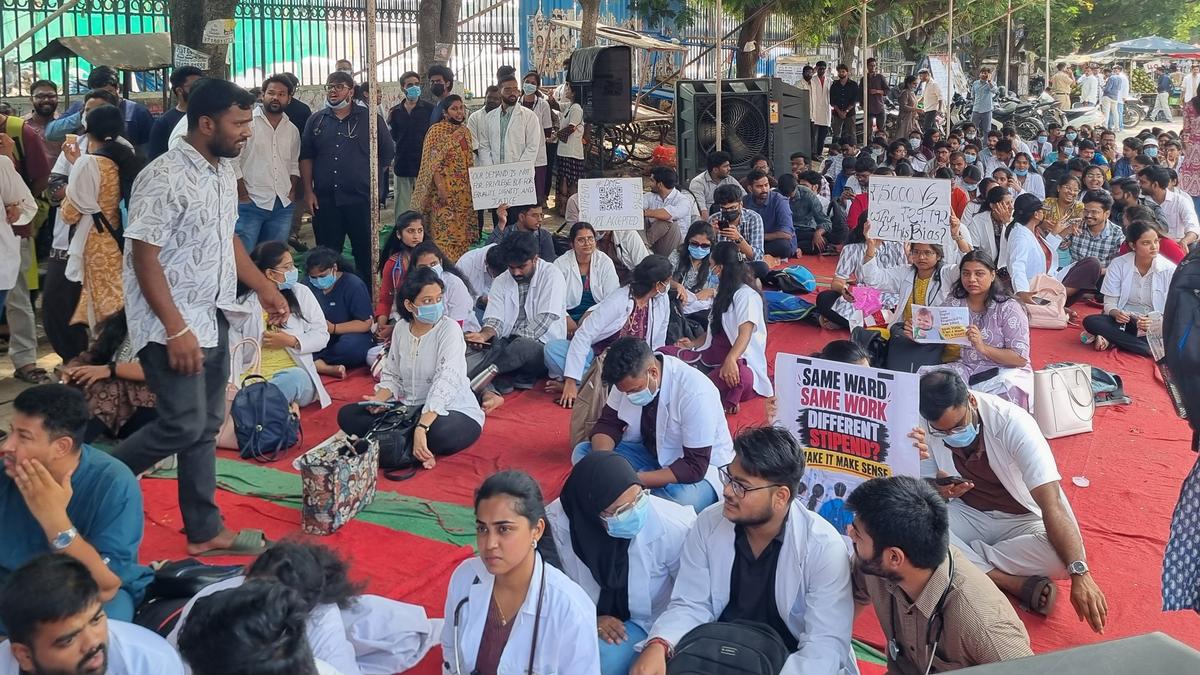
Foreign Medical Graduates in Telangana are resuming peaceful protests on November 4 due to the lack of official action regarding stipend parity. Despite multiple meetings with the Health Minister, interns report receiving no written assurances or formal government orders.
The Resumption of Protests by Telangana FMGs
Foreign Medical Graduates (FMGs) currently undergoing mandatory internships in Telangana have announced the resumption of their peaceful protest, effective November 4. This decision comes after a 10-day hiatus intended to provide the state government with a window to address long-standing grievances. The core of the dispute rests on the persistent stipend disparity between FMGs and their counterparts, the Indian Medical Graduates (IMGs), who have historically received higher remuneration for the same clinical duties.
Breakdown in Communication and Trust
The decision to return to the streets follows a series of unproductive interactions between student representatives and state officials. Despite high-level meetings, including a significant encounter at the residence of Health Minister C. Damodar Raja Narasimha in Sangareddy on October 24, the interns report that they have not received any tangible progress. The lack of a written commitment or a formal Government Order (GO) has left the medical interns feeling disillusioned by the bureaucratic inertia surrounding their professional status.
The Need for Stipend Parity
Stipend parity is not merely a financial request; it is a matter of professional equity. FMGs, who undergo rigorous training to serve the public health sector, often face significant economic burdens. By demanding equal pay for equal work, these interns are highlighting the necessity of standardized compensation models within medical education. Without an official circular or concrete policy shift, the current disparity remains a point of contention that undermines the morale of medical professionals entering the workforce.
Bureaucratic Hurdles and Policy Delays
In the context of public administration, the issuance of a Government Order is the fundamental mechanism through which policy changes are enacted. The frustration expressed by the FMGs stems from the gap between verbal assurances provided by political leadership and the lack of administrative documentation. When ministerial promises do not translate into bureaucratic action, it creates a cycle of distrust, leading to the escalation of peaceful protests as a tool for public accountability.
Future Implications for Medical Education
This protest highlights the broader challenges in integrating Foreign Medical Graduates into the domestic healthcare ecosystem. As the demand for healthcare services in Telangana grows, the equitable treatment of all medical interns—regardless of their place of graduation—is essential for sustaining a robust medical workforce. The outcome of this protest will likely serve as a litmus test for how the state government manages labor issues within the medical sector and whether it can implement inclusive policies for international medical degree holders.
Conclusion
The resumption of the agitation by Telangana's FMGs underscores an urgent need for the state government to move beyond verbal promises. To resolve this impasse, clear, written directives are required to ensure that medical interns receive the fair compensation they are entitled to. As the protests begin on November 4, the focus remains on whether the government will finally formalize the parity that has been requested, thereby ensuring the stability of the state's medical internship programs.
Verification Required?