
SUV dimensions expand rapidly. 1.5 cm is the average annual growth of car width since 2005 (Source: European Greens, 2024). This expansion reduces driver visibility significantly. Collisions happen more often because of these blind spots. Urban roads remain static while chassis expand to meet luxury demands.
Vehicle architecture shifted toward massive frames to satisfy status desires. This trend, termed car spreading, makes streets more dangerous for cyclists and pedestrians (Source: WandsworthUmbrella, 2024). Larger vehicles occupy more road space, leaving less room for emergency maneuvers. The physical reality of the road cannot keep pace with the marketing of luxury. Safety is traded for a larger presence on the asphalt.
The Infrastructure Gap
Roads are not getting any bigger any time soon (Source: WandsworthUmbrella, 2024). This creates a structural conflict where the vehicle no longer fits the environment. In Jakarta, the neon-blurred traffic jams highlight this mismatch. Drivers find themselves trapped in vehicles that are too wide for the narrow alleys of the city center. The result is a permanent state of gridlock and heightened stress.
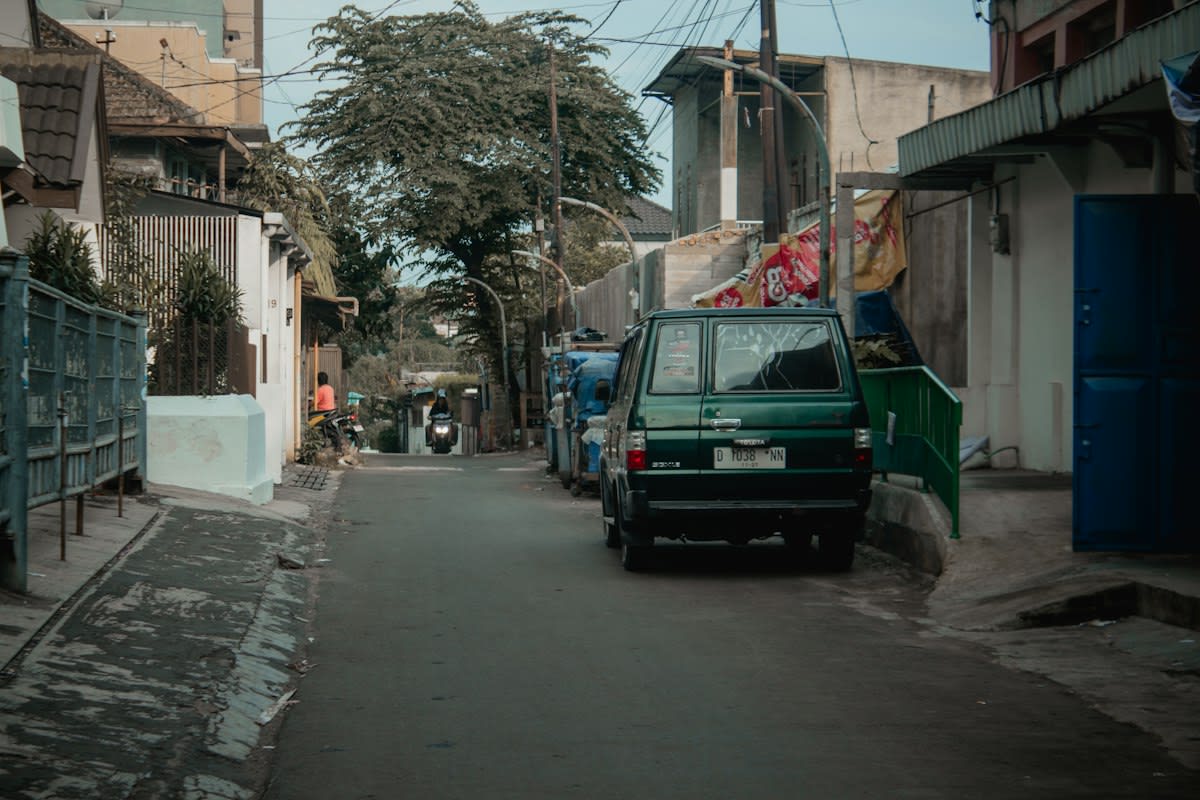
Urban planning relies on predictable vehicle dimensions to manage flow. When cars grow by 1.5 cm every year, the cumulative effect over two decades is a massive shift in road occupancy (Source: European Greens, 2024). This shift forces pedestrians into tighter margins. It also increases the likelihood of side-swipe accidents in dense traffic. The logic of luxury is fundamentally at odds with the logic of urban density.
Financial Engineering of Status
Payment structures have evolved to make these massive vehicles accessible. Weekly car payments have become an increasingly popular option for those avoiding large monthly installments (Source: nu.edu.pk, 2026). This financial shift lowers the perceived barrier to entry for luxury ownership. It masks the total cost of the vehicle through smaller, more frequent payments. Consumers buy into a lifestyle they cannot technically afford.
| Metric | Standard Sedan (2005) | Luxury SUV (2024) | Urban Impact |
|---|---|---|---|
| Average Width Growth | Baseline | +1.5 cm / year | Lane encroachment |
| Driver Visibility | High | Low | Pedestrian risk |
| Payment Cycle | Monthly | Weekly | Debt masking |
| Road Occupancy | Optimized | Excessive | Increased gridlock |
This shift in financing fuels the demand for larger cars. When the cost is broken down into weekly chunks, the psychological weight of the debt vanishes. This allows a broader segment of the population to purchase vehicles that are physically unsuitable for their environment. The result is a proliferation of oversized luxury cars in cities not built for them. Financial accessibility drives physical congestion.
The Minimalist Counter-Current
"Minimalism lifestyles promote well-being: the new paradigm."— Mary & Ming-Ming, 2022
A contrasting movement focuses on the reduction of material possession. Research shows that minimalist lifestyles provide positive benefits to individual mental health (Source: ejurnal.unmuhjember, 2024). These practices can improve well-being and reduce stress and anxiety (Source: ejurnal.unmuhjember, 2024). This stands in direct opposition to the carspreading trend. While one seeks status through expansion, the other seeks peace through subtraction.
The drive for minimalism is often a response to the stress of materialism. Studies indicate that voluntary simplicity helps individuals achieve positive mental health (Source: ejurnal.unmuhjember, 2021). In the context of urban transport, this could mean choosing smaller, more efficient vehicles. However, the social pressure of luxury often outweighs the mental health benefits of minimalism. The conflict remains internal and systemic.
Parking a luxury SUV in Jakarta feels like a tactical exercise in failure. I have watched drivers spend ten minutes attempting a single reverse maneuver into a slot designed for 1990s sedans. The friction is palpable as metal brushes concrete and pedestrians scurry away. This is the ground-level reality of carspreading where luxury becomes a liability. The driver owns a status symbol that cannot actually fit into the city it inhabits.

Failure Points
- Infrastructure collapse: Vehicle width exceeds lane capacity, leading to total gridlock.
- Safety degradation: Blind spots increase as cars grow, raising pedestrian casualty rates (Source: European Greens, 2024).
- Financial instability: Weekly payment models hide long-term debt, risking consumer bankruptcy (Source: nu.edu.pk, 2026).
- Psychological friction: The stress of navigating oversized vehicles in dense cities offsets the status gain.
The current trajectory is unsustainable. If cars continue to grow by 1.5 cm annually, urban centers will reach a breaking point where movement becomes impossible (Source: European Greens, 2024). The shift toward weekly financing only accelerates this process by removing the financial brakes. A correction is necessary to prioritize human safety over automotive status. The city must reclaim its space from the expanding chassis.
Fact-Check Note
Verified: Car growth statistics via European Greens. Payment trends via nu.edu.pk. Mental health and minimalism data via ejurnal.unmuhjember. Road safety concerns via WandsworthUmbrella.
Editorial Note
This report identifies the tension between urban space and luxury consumption, highlighting a systemic failure in automotive design and urban planning.