Inside Chicago's battle against the synthetic drugs flooding the US
Source Entity
BBC News
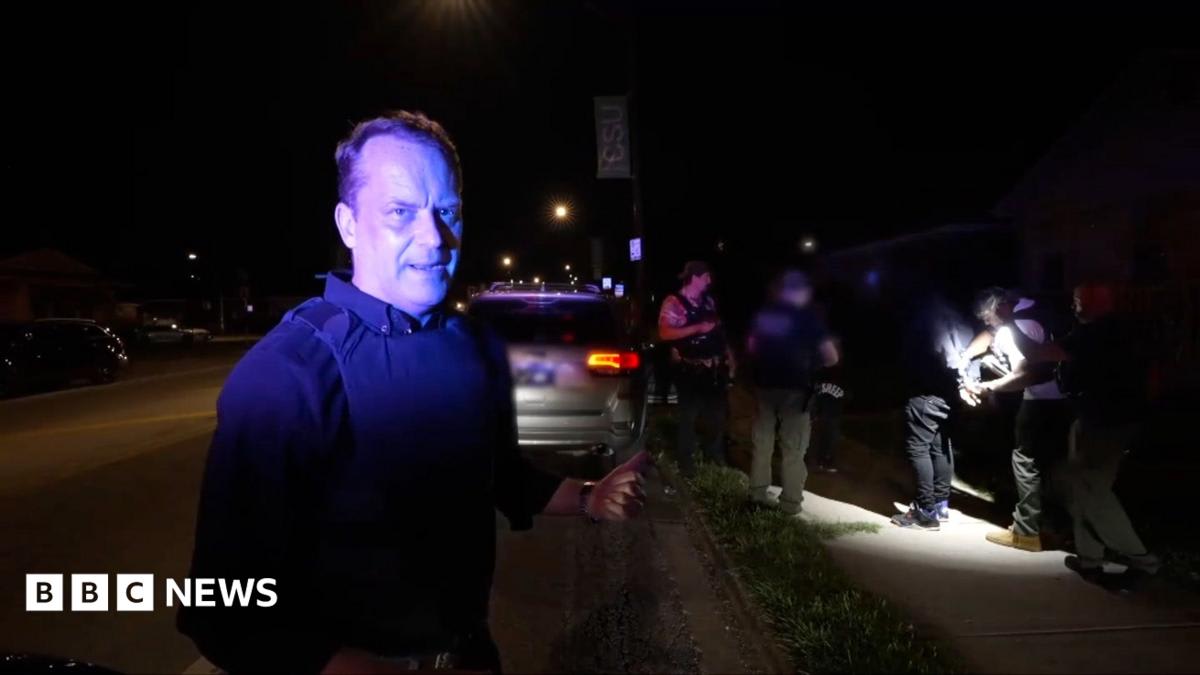
Chicago is currently at the center of a worsening US synthetic drug crisis, driven by potent substances like the animal tranquilizer 'tranq'. Despite a recent decline in overall overdose deaths, authorities remain concerned about the rising prevalence of these cheaper, lethal alternatives.
The Evolving Landscape of the American Drug Crisis
A new wave of synthetic drugs is currently sweeping across the United States, creating a complex and shifting landscape for public health and law enforcement. As reported by the BBC, communities in Chicago’s South Side are serving as a critical frontline in this battle, witnessing firsthand the devastating human impact of these substances. This surge represents a precarious moment in the nation’s decades-long struggle with substance abuse, as the nature of available narcotics continues to evolve in ways that challenge traditional intervention methods.
The Shift Toward Synthetic Potency
While the national conversation regarding drug-related fatalities has seen a glimmer of hope—with overdose deaths dropping from a peak of 110,000 in 2022 to approximately 70,000 last year—the emergence of more powerful synthetic alternatives threatens to undermine this progress. Authorities are particularly alarmed by the proliferation of cheaper, high-potency drugs that are increasingly accessible. Among the most concerning is the rise of 'tranq,' an animal tranquilizer that is being illicitly integrated into the drug supply, further complicating treatment and emergency response efforts.
Political and Legislative Responses
The federal government has signaled an aggressive shift in its approach to addressing these threats. Earlier this year, President Donald Trump pledged a significant crackdown on the drug cartels responsible for distributing these substances. A key component of this strategy includes the move to proscribe many of these criminal organizations as terrorist entities. This policy shift aims to leverage broader national security tools to dismantle supply chains that have historically proven resilient against standard law enforcement tactics.
Localized Impacts in Chicago
Chicago’s South Side serves as a stark microcosm of the national crisis. The presence of journalists like Quentin Sommerville and camera journalist Darren Conway highlights the visceral, on-the-ground reality of these communities as they contend with the fallout of synthetic drug prevalence. These local efforts reflect the broader struggle of urban centers across the country to provide adequate support, medical care, and social resources to those caught in the cycle of addiction amid an influx of increasingly lethal substances.
Future Trends and Challenges
Looking ahead, the trajectory of this crisis remains uncertain. The transition from traditional opioids to synthetic and veterinary-grade drugs presents a moving target for regulators and healthcare providers. If the trend of falling overdose deaths is to be sustained, the focus must shift toward mitigating the specific dangers posed by these synthetic compounds. The success of the proposed crackdown on cartels will likely be measured by the ability of federal authorities to disrupt the flow of these specific chemical precursors, a task that requires both international cooperation and robust domestic public health policies.
Conclusion
In summary, the United States stands at a critical juncture. While the reduction in total overdose deaths is a positive indicator, the emergence of synthetic drugs like tranq necessitates a reevaluation of current strategies. The ongoing battle in Chicago is representative of a larger, systemic challenge that requires a multi-faceted approach—combining aggressive law enforcement, community-based support, and a deep understanding of the chemical threats currently flooding the American market.