Delhi SIR: Thousands line up at special camps ahead of deadline
Source Entity
Latest News: Todays Latest News Headlines from India & World | Hindustan Times | Hindustan Times
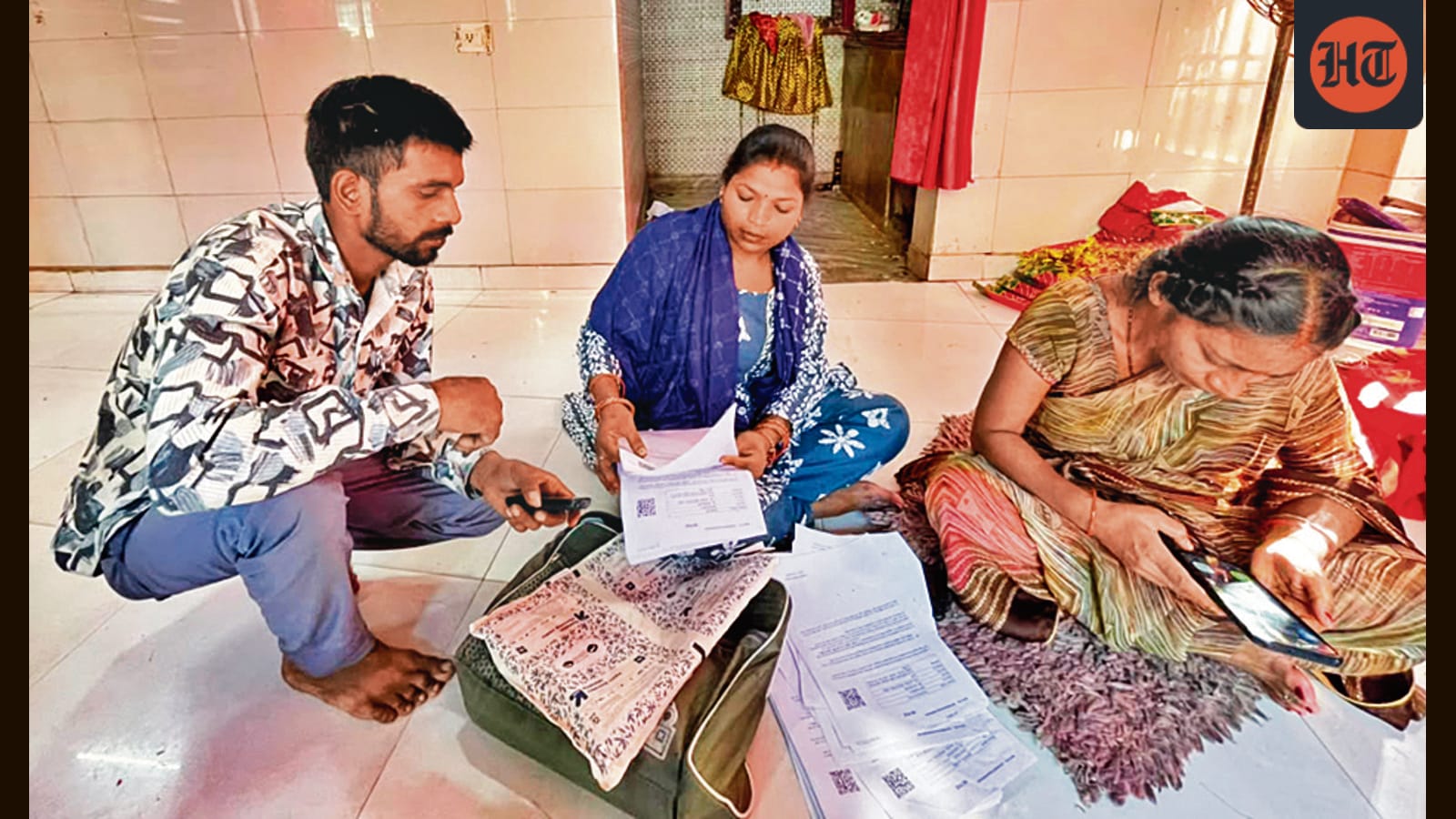
Thousands of Delhi residents are rushing to Special Intensive Revision (SIR) camps to reclaim their voting rights after being removed from electoral rolls. With a deadline of October 30, nearly 448,000 applications have been filed to address administrative hurdles.
The Crisis of Electoral Inclusion in Delhi
The recent surge of citizens at Special Intensive Revision (SIR) camps across Delhi highlights a significant friction point in the democratic process. With approximately 4.7 million names removed from draft electoral rolls, the logistical challenge of ensuring universal suffrage has become a pressing concern for the Election Commission. These camps, held on October 18 and 25, serve as a final safeguard for voters to rectify discrepancies before the October 30 deadline.
The Impact of Administrative Hurdles
At the heart of this issue are administrative barriers, particularly regarding address verification. The case of individuals like Ram Dev Prasad, whose name was removed following a Booth Level Officer (BLO) visit to a registered address, underscores the fragility of the voter roll maintenance process. When verification protocols fail to account for complex living situations or temporary absences, citizens are inadvertently disenfranchised, necessitating these intensive, last-minute interventions.
Analyzing the Scale of Disenfranchisement
The volume of applications—nearly 448,000 requests for inclusion—indicates that the removal process has caused widespread public concern. While some locations like the Delhi Technological University campus experienced lower turnout, the consistent flow of applicants in areas like Pillanji Village demonstrates a genuine public effort to engage with the electoral system. This disparity in turnout may suggest varying levels of awareness or different localized challenges in navigating the verification process.
Broader Implications for Democratic Participation
The reliance on physical camps to correct digital-age administrative errors points to a hybrid system still struggling to balance efficiency with accuracy. If a significant portion of the 4.7 million removed voters fails to re-register by October 30, the final electoral roll could face scrutiny regarding its representativeness. The integrity of an election is predicated on the accuracy of its rolls; thus, these SIR camps are not merely bureaucratic exercises but essential components of electoral legitimacy.
Future Trends and Reform
Looking forward, the Election Commission may need to re-evaluate the threshold for name removal and the efficacy of BLO verification visits. As Delhi continues to undergo rapid urbanization, address mobility will remain a constant variable, challenging static record-keeping methods. Future trends suggest a need for more robust, perhaps technology-integrated, verification systems that are more forgiving of address-related discrepancies, ensuring that administrative errors do not become permanent barriers to the ballot box.
Conclusion
The current scramble to meet the October 30 deadline is a stark reminder of the responsibilities held by both the state and the citizen in maintaining a healthy democracy. While the SIR camps provide a necessary avenue for redressal, the sheer number of applications suggests that systemic improvements in voter roll management are required to prevent such large-scale exclusion in future election cycles.
Verification Required?