‘Why is there a discrepancy’: Queries, confusion mark Ghaziabad SIR special drive
Source Entity
Drishti Jain
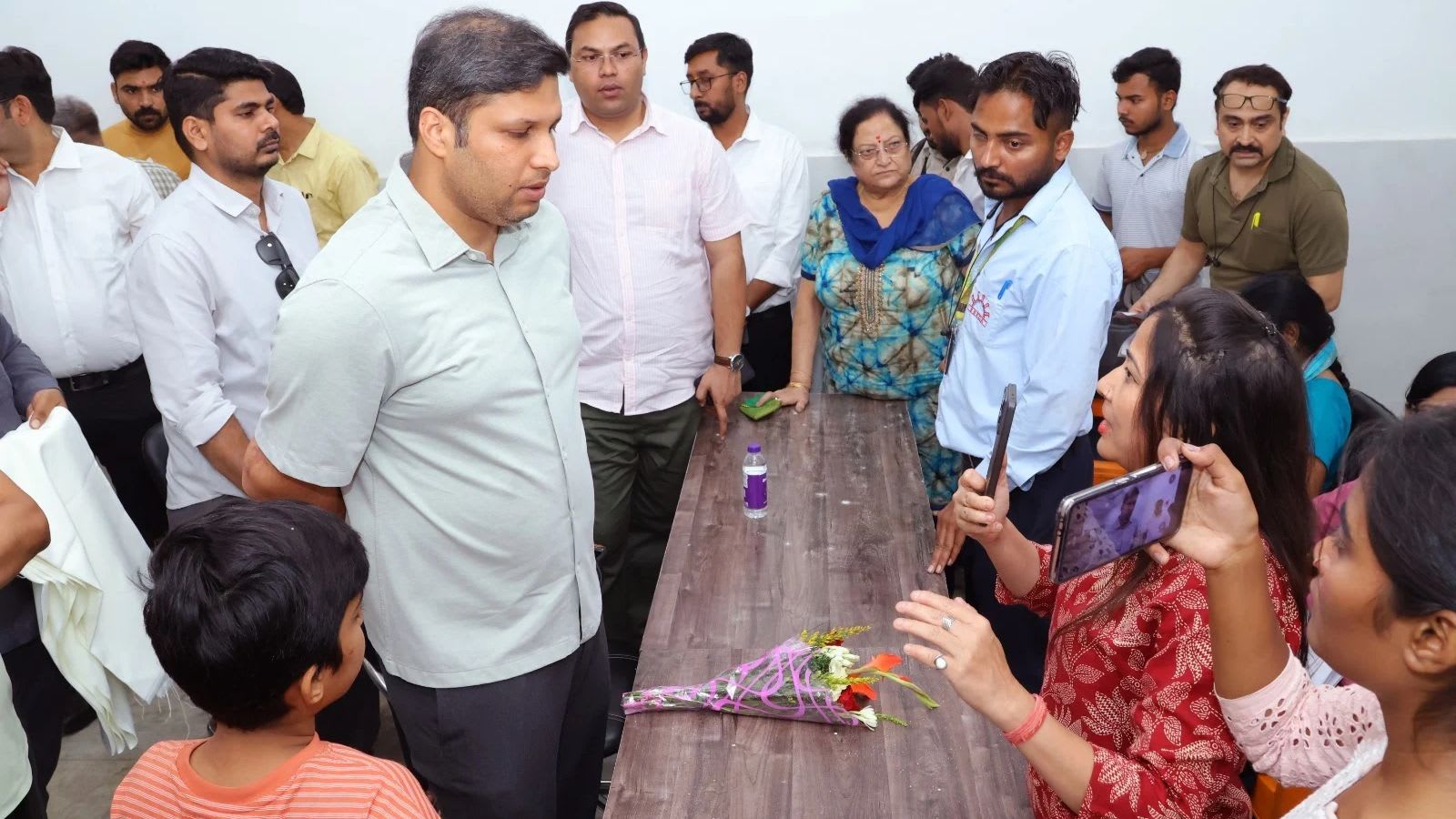
Residents in Ghaziabad's Indirapuram are facing confusion and administrative hurdles after being struck from the electoral roll following a Special Intensive Revision exercise. Families are now forced to re-register as voters, highlighting systemic discrepancies in the recent electoral list updates.
Administrative Confusion During Ghaziabad’s Electoral Revision
Recent reports from Ghaziabad’s Indirapuram neighborhood have shed light on significant administrative friction following the Special Intensive Revision (SIR) exercise conducted in April. Residents, including long-term voters, have found themselves unexpectedly removed from the electoral rolls, leading to widespread confusion and a scramble to restore their voting rights through the submission of Form 6.
The Human Impact of Bureaucratic Errors
The human cost of these discrepancies is best exemplified by local families forced to return to registration offices with essential documentation, such as Aadhaar cards and academic records. For many, the process of proving their previous status as active voters is not just a bureaucratic hurdle but a source of frustration, as they are required to re-register despite having participated in previous electoral cycles without issue.
The Role of Documentation in Civic Participation
There is a poignant irony in how residents are now relying on historical voting slips as evidence of their civic history. By keeping these slips, families are attempting to create a paper trail that contradicts the recent updates to the electoral roll. This reliance on physical records highlights a lack of trust in the digital or administrative systems that govern voter eligibility, as individuals seek to validate their presence in the system against the deletions made during the SIR process.
Systemic Discrepancies and Transparency
The sudden removal of names from the electoral list in major urban centers like Ghaziabad and Lucknow raises critical questions regarding the transparency and accuracy of the Special Intensive Revision exercise. When large numbers of citizens are disenfranchised overnight, it necessitates a rigorous audit of the verification procedures used during these revisions. The discrepancy between the previous electoral rolls and the finalized April list suggests either a failure in data migration or an overly aggressive verification process that penalized eligible citizens.
Broader Implications for Electoral Integrity
Electoral integrity relies heavily on the accessibility of the democratic process. When administrative errors prevent eligible voters from participating, it undermines the legitimacy of the entire electoral framework. The current situation in Ghaziabad serves as a reminder that the maintenance of voter rolls is as critical as the voting process itself, and that administrative transparency is essential to maintaining public faith in democratic institutions.
Future Outlook and Administrative Accountability
Moving forward, it is imperative for election officials to address the concerns of the affected residents in Indirapuram with urgency. Beyond merely processing individual re-registration forms, there is a need for a broader investigation into why these discrepancies occurred. Unless the systemic issues behind the April revision are identified and rectified, the risk of similar administrative failures in future election cycles remains high, potentially leading to further voter alienation.