Delhi air set to worsen to ‘poor’ for first time this season
Source Entity
TNN
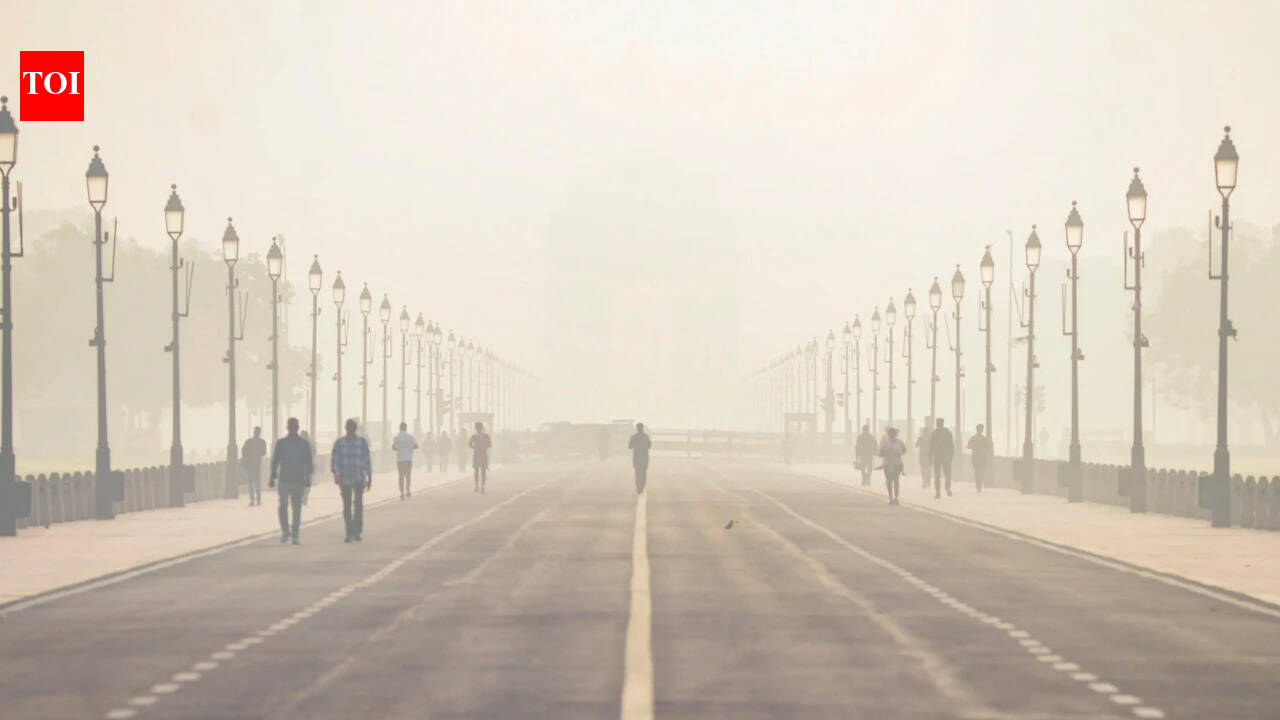
Delhi's air quality is projected to decline to the 'poor' category as the impact of stubble burning rises from 0.2% to 12%. This shift marks the first significant seasonal deterioration in air quality for the capital.
Delhi Faces Seasonal Air Quality Decline
Delhi is bracing for a significant shift in its environmental conditions as air quality is projected to deteriorate to the 'poor' category for the first time this season. While current atmospheric conditions have kept pollution levels relatively stable, meteorological forecasts suggest an imminent change that will impact the health and daily lives of millions of residents in the National Capital Region.
The Role of Stubble Burning
The most critical factor driving this downward trend is the seasonal practice of stubble burning in neighboring agricultural states. According to current data, the contribution of crop residue burning to Delhi’s particulate matter levels is currently negligible, standing at approximately 0.2%. However, the transition in wind patterns and the intensification of post-harvest farming activities are expected to cause this figure to surge to nearly 12% by Wednesday.
Meteorological and Seasonal Context
This phenomenon is a recurring environmental challenge that Delhi faces annually during the transition from autumn to winter. As temperatures begin to drop and wind speeds decrease, the atmosphere loses its ability to disperse pollutants effectively. This trapping effect, combined with the spike in external emissions from stubble burning, creates a perfect storm for air quality degradation that consistently challenges public health infrastructure.
Broader Implications for Public Health
When air quality enters the 'poor' category, it poses an immediate risk to vulnerable populations, including those with respiratory issues, the elderly, and children. The shift from a negligible impact to a 12% contribution from agricultural fires highlights the sensitivity of the airshed to regional cross-border emissions. This underscores the difficulty in managing air quality through local measures alone, as external factors play a dominant role in the capital's pollution profile.
Future Trends and Mitigation Challenges
Looking ahead, the reliance on seasonal agricultural patterns suggests that Delhi will continue to face these cyclical pollution spikes until systemic changes in agricultural waste management are fully implemented. The jump to 12% is merely the beginning of the peak season, and policymakers will likely face increased pressure to coordinate inter-state agricultural policies to mitigate these impacts. Future efforts will depend heavily on the effectiveness of machinery distribution to farmers and the enforcement of burning bans during the critical winter months.
Conclusion
In summary, the transition of Delhi’s air quality to 'poor' is a direct consequence of the predictable increase in stubble burning. While the current impact is minimal, the rapid rise to a 12% contribution level by mid-week serves as a warning of the challenging air quality season ahead. Addressing these regional environmental stressors remains a complex, long-term endeavor for authorities.