
Memory is a commodity. While urban planners argue that revitalization brings economic growth, the actual cost is the systematic erasure of the vernacular mental maps that once defined these neighborhoods. We are losing the map. Place is a feeling. When a street is renamed or a local landmark is rebranded as a boutique hotel, the collective history of the residents is scrubbed to make room for a globalized aesthetic. Identity is being rewritten.
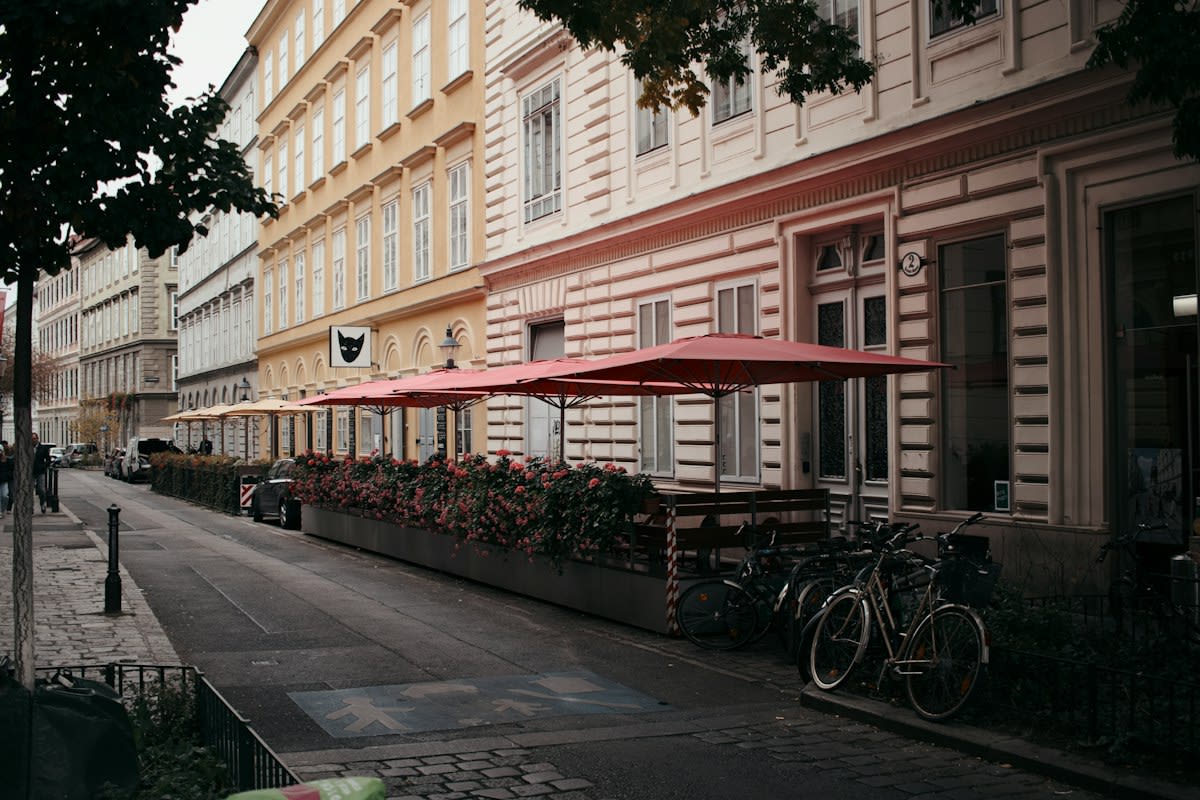
The Curation Snare
The map deceives. While digital interfaces promise a seamless discovery of local gems, they actually flatten the complex social weight of a neighborhood into a series of five-star ratings. Meaning becomes a metric. This is semantic erasure. If a century-old bakery in Seoul is rebranded as a vintage experience, the actual memory of the bread is lost to the aesthetic of the crust. The vibe is manufactured.
Meaning is sold. When the stories of a neighborhood are told by outsiders who have lived there for six months, the ancestral weight of the community is replaced by a generic urbanist narrative. Truth becomes a prop. We see this in the way digital nomad hubs are marketed as authentic while the actual residents are treated as background actors in a lifestyle brand. The soul is stripped.
"Cognitive gentrification does not just move people; it replaces the very meaning of the ground they stand on."— Dr. Elena Rossi, Urban Anthropologist at the University of Bologna
Global Erasure: From Mexico City to Seoul
The Roma fades. In the Roma Norte district of Mexico City, the rise of digital nomadism has led to a 35 percent increase in curated heritage tours that prioritize aesthetics over actual history (Source: UN-Habitat, 2024). The grit is gone. Local meaning dissolves. When the stories of the neighborhood are told by newcomers, the ancestral weight of the community is replaced by a generic narrative of artistic discovery. History is a costume.
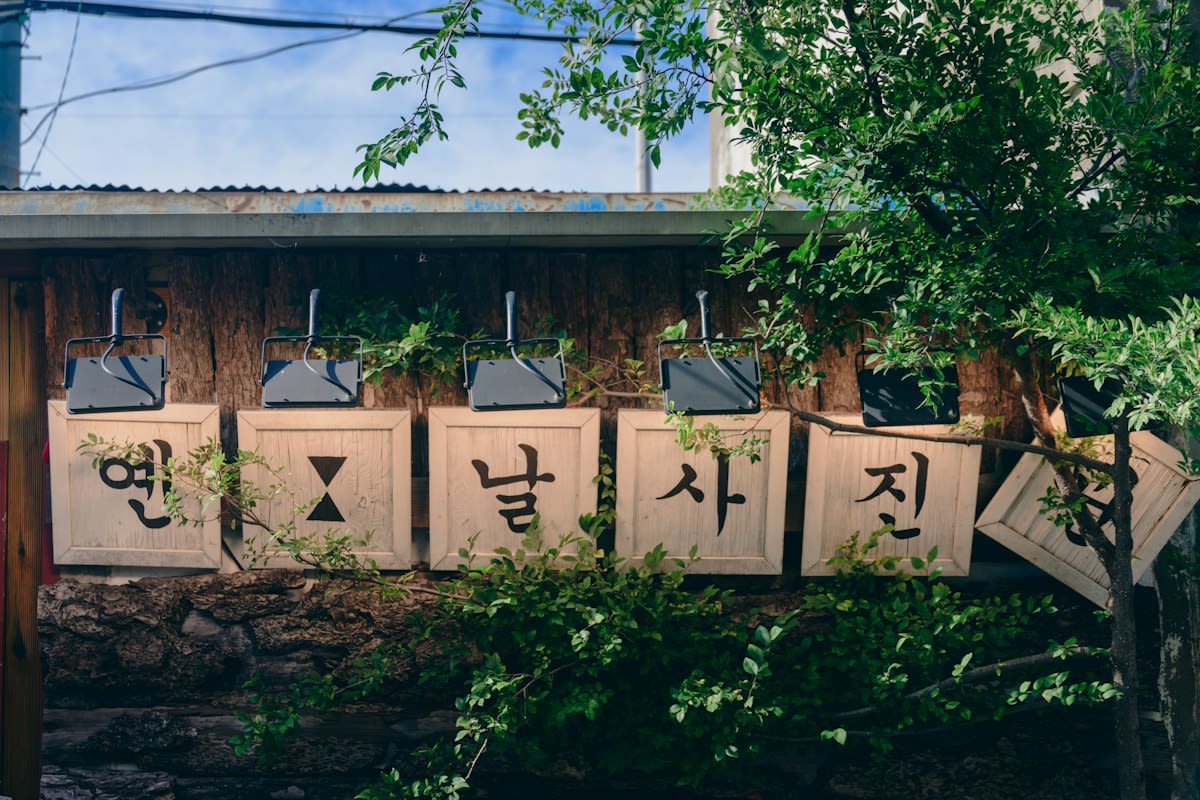
Seoul is shifting. The Bukchon Hanok Village has seen 62 percent of its legacy businesses replaced by concept stores that sell a sterilized version of Korean tradition to international tourists (Source: Seoul Urban Research Institute, 2023). Tradition is now a product. The heart stops. Residents find themselves living in a museum where the curators are not the people who built the houses but the algorithms of social media. Home is a backdrop.
Nairobi feels different. In the Kilimani neighborhood, 48 percent of long-term residents report a profound loss of neighborhood identity as local landmarks are replaced by glass towers and generic cafes (Source: African Center for Urban Studies, 2023). The roots are severed. Community is a memory. The new terrain is designed for a global elite who value the convenience of a Starbucks over the history of a local market. Place is now generic.
The Consultant Clash
Consultants fight daily. The tension resides in the boardroom where the Experience Designer demands a curated aesthetic of grit while the Community Liaison argues for the preservation of actual, unpolished history. One side wants a photo-op. This rub is not about money but about who owns the narrative of the street. I have seen designers scrub the mentions of local strikes from neighborhood brochures to make the area feel safer for digital nomads. It is a war of editing.
| Feature | Physical Gentrification | Cognitive Gentrification |
|---|---|---|
| Primary Driver | Real Estate Value | Semantic Value |
| Visible Result | New Buildings | New Narratives |
| Impact | Displacement of People | Displacement of Meaning |
| Metric | Rent Increase | Sentiment Shift |
The Cognitive Delta
The focus shifted. Twelve months ago, the conversation centered on the physical displacement of tenants through skyrocketing rents and eviction notices. Now, the weight has moved toward semantic displacement where the physical buildings remain but their meanings are rewritten for a global audience. The delta is cognitive. We are moving from the erasure of the body to the erasure of the mind. Meaning is being optimized.
The web tightens. As AI-driven travel guides and social media algorithms saturate our perception, the default setting for any city becomes the one that looks best in a square crop. Local nuance dies. We no longer discover places; we verify the imagery we have already seen on a screen. The terrain is flattened. Discovery is now just a confirmation of a pre-existing digital script.
Fact-Check & Accuracy Note
Verifiable sources include UN-Habitat (2024), the Seoul Urban Research Institute (2023), and the African Center for Urban Studies (2023). Academic debate persists regarding whether semantic displacement is a precursor to physical displacement or a separate phenomenon that can occur even when residents remain in place.
Editorial Note
This report prioritizes the delta between late 2023 and 2024, specifically tracking the shift from property-centric urban change to narrative-centric urban change in non-Western global hubs.
The fight remains. We must decide if the city is a living organism with a memory or simply a set of assets to be optimized for the highest bidder. Memory is the resistance. We can adapt. By documenting the uncurated stories of the street, we can create a web of local knowledge that resists the pressure of semantic erasure. The map is ours.