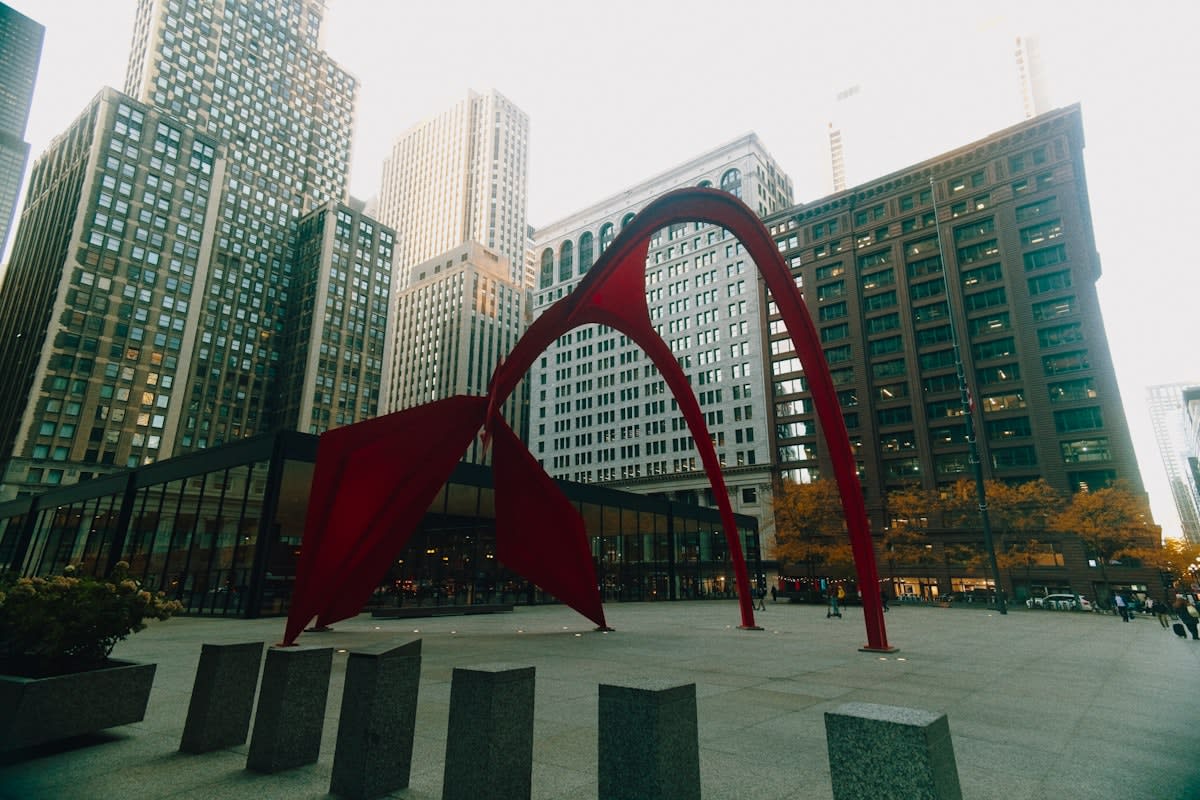
The Myth of the Lost Plaza
We often mourn the death of the third place—those neutral grounds like cafes, libraries, and town squares that exist between the domesticity of home and the productivity of work—as a cultural tragedy. This nostalgia is misplaced. What we are witnessing is not a simple disappearance, but a systemic migration of human connection from the public square to the private ledger. For decades, the third place functioned as a social leveler where status was secondary to presence. Now, the architecture of our cities and the algorithms of our devices have converged to dismantle these organic hubs, replacing them with curated environments where entry is predicated on a transaction.
This shift is global in scale and relentless in its execution. In Tokyo, the traditional izakaya is being supplemented by hyper-specialized, single-occupancy spaces that prioritize efficiency over interaction. In London, the historic pub—once the living room of the working class—is increasingly converted into luxury flats or high-end gastropubs that alienate the local demographic. This is not an accident of urban development; it is the result of a global economic pivot toward maximizing the yield per square foot. When a public bench is replaced by a paid seating area in a commercial plaza, the social contract changes from citizenship to consumption.
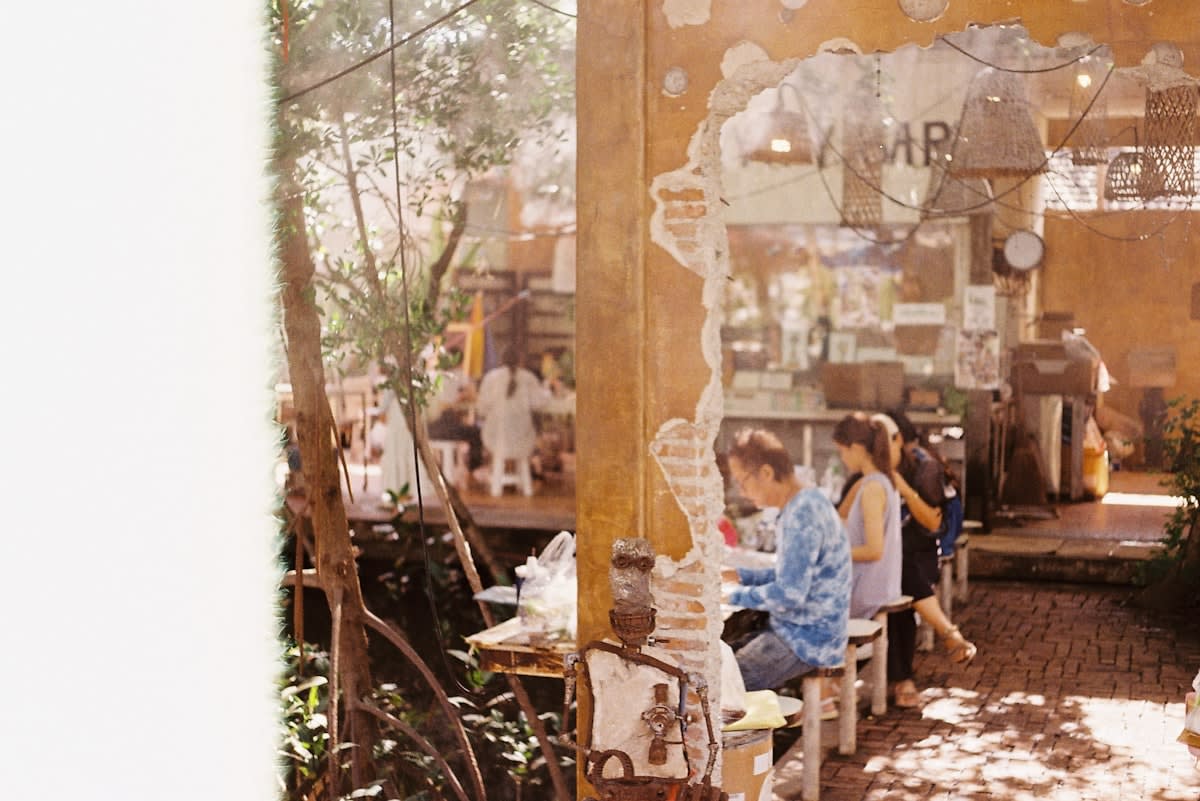
Why does this matter for the global economy? Because loneliness is no longer just a psychological state; it is a market opportunity. As organic community structures collapse, a vacuum is created that the private sector is eager to fill. We are seeing the rise of the Loneliness Economy, where the basic human need for belonging is packaged as a subscription service. From co-living spaces that sell 'instant community' to paid membership clubs and AI companions, the industry is effectively monetizing the void left by the erosion of the physical third place.
The Architecture of Isolation
To understand the systemic shift, we must look at the physical constraints of our environments. Urban planning across North America and parts of Asia has long favored the automobile over the pedestrian, effectively killing the 'stumble-upon' interaction that defines a true third place. When you drive from a gated garage to a private office and back again, you eliminate the friction of the street. This friction is where community happens. Without it, the only way to meet people is through intentional scheduling—a process that is cognitively taxing and socially exhausting.
The digital transition accelerated this process. Social media promised a 'global village,' but it delivered a series of highly optimized echo chambers. The digital third place is a paradox: it offers infinite connectivity but zero proximity. According to a 2023 report by the World Health Organization, social isolation is now linked to a 26% increase in the risk of premature mortality, comparable to the risks of smoking 15 cigarettes a day (Source: World Health Organization, 2023). The tragedy isn't that we are online; it's that the digital space is designed for engagement, not for the low-stakes, unstructured companionship that maintains mental health.
| Feature | Traditional Third Place | Loneliness Economy Substitute |
|---|---|---|
| Entry Cost | Low to Zero | Subscription or Membership Fee |
| Social Dynamic | Accidental / Organic | Curated / Algorithmic |
| Purpose | Community Maintenance | Network Optimization |
| Accessibility | Open to All (Local) | Vetted / Exclusive |
| Duration | Indefinite / Loitering allowed | Transaction-based / Time-limited |
This transition marks a move from 'commoning' to 'commodifying.' In the traditional model, the value of the space was the social capital generated within it. In the new model, the social capital is the product being sold. When you pay for a membership at a high-end co-working space or a curated social club, you aren't just paying for a desk or a drink; you are paying for a curated peer group. This creates a stratified social landscape where belonging is a luxury good, further isolating those who cannot afford the entry fee.
"The third place is a neutral ground where people can gather, talk, and build a sense of community without the pressures of home or work. When these spaces disappear, the social fabric of a city doesn't just fray—it dissolves."— Ray Oldenburg, Sociologist and Author of 'The Great Good Place'
Does this mean we are doomed to a future of paid friendships? Not necessarily. The contrarian view is that we are simply in a messy transition period. The failure of the digital village has created a massive, untapped demand for 'radical proximity.' We are seeing the early stages of a counter-movement where people are intentionally designing new types of third places that resist monetization. From community-led tool libraries in Berlin to shared garden cooperatives in Seoul, there is a growing recognition that human connection cannot be fully optimized by a business model.
The Practitioner's Friction: Zoning vs. Belonging
From the perspective of an urban strategist, the battle for the third place is fought in the boring details of zoning laws and building codes. In the field, the debate isn't about 'loneliness'—it's about 'mixed-use development' and 'permeability.' Practitioners struggle with the fact that most modern city codes are designed to separate functions: here is where you sleep, here is where you work, and here is where you shop. To create a third place, you need a space that defies these categories. You need a place where someone can sit for four hours with one cup of coffee without being asked to move along by security. Most commercial landlords view 'loitering' as a liability, whereas a sociologist views it as the primary mechanism of community building.
There is a constant tension between the need for safety/order and the need for spontaneous social friction. When we design 'safe' spaces, we often design 'sterile' spaces. The most successful modern third places are those that intentionally introduce a bit of chaos—the unplanned encounter, the overlapping conversation, the shared frustration of a slow elevator. The real challenge for today's architects is how to build for serendipity in an age of extreme optimization.
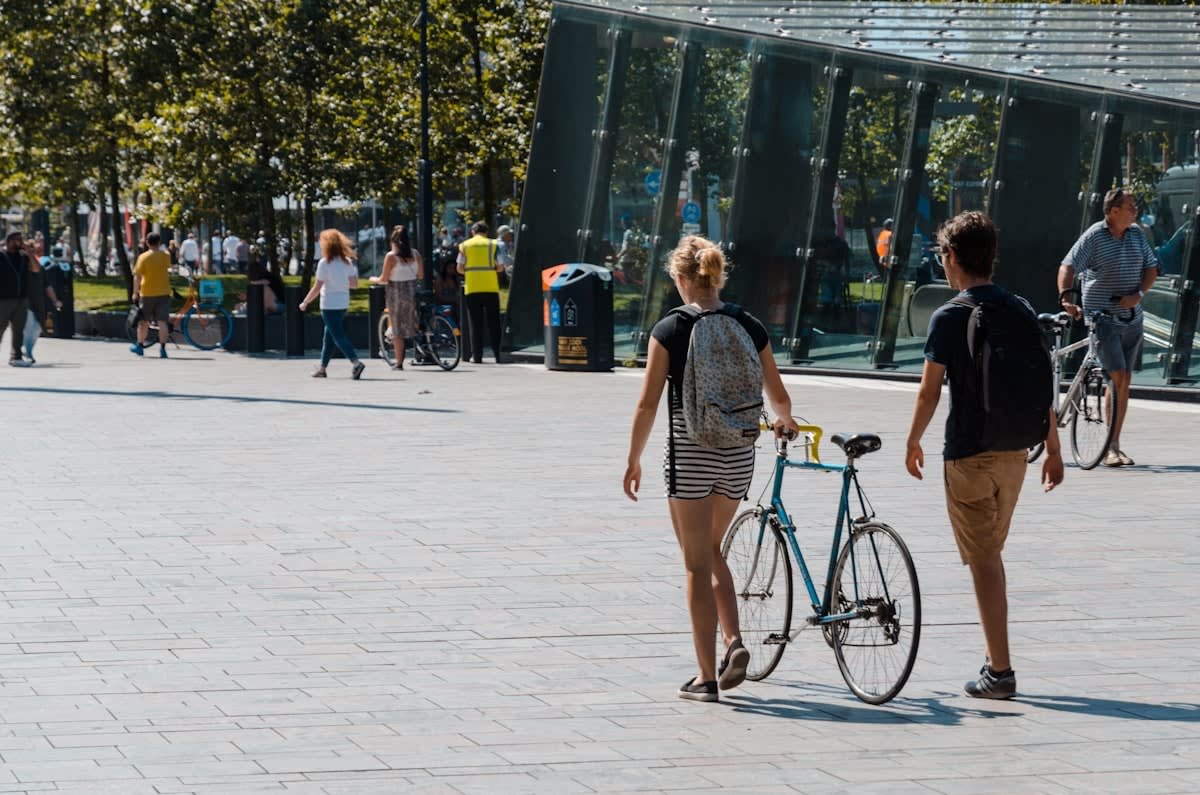
Navigating the Future of Connection
The Loneliness Economy will continue to grow because it solves a problem that the state and the market have collectively created. According to Pew Research, roughly 30% of adults in the US report having no close friends, a number that has risen significantly over the last decade (Source: Pew Research Center, 2021). This gap is the engine of the new economy. However, the solution isn't to return to a 1950s version of the town square. That world was often exclusive and exclusionary. The opportunity lies in creating 'inclusive third places'—spaces that are physically accessible, economically viable without predatory pricing, and socially welcoming to diverse populations.
We must stop viewing the decline of the traditional third place as a loss and start viewing it as a design challenge. The question is no longer 'Where did the community go?' but 'How do we build community in a world where the defaults are isolation and transaction?' This requires a shift in how we value space. We need to move from a mindset of 'real estate value' to 'social value.' If a city has a high GDP but a low 'connection index,' it is fundamentally bankrupt, regardless of its skyline.
Ultimately, resilience in the face of the loneliness economy comes from intentionality. We cannot rely on the accidental proximity of the past. We must actively curate our environments, fight for pedestrian-centric urbanism, and support the 'inefficient' spaces that allow humans to simply exist together. The death of the third place was a systemic failure, but the birth of the intentional community could be our greatest adaptation.
Fact-Check & Accuracy Note
The key claims regarding the health risks of social isolation are sourced from the World Health Organization's 2023 reports on social connectivity. Statistics on friendship decline are attributed to Pew Research Center (2021). The sociological framework of the 'Third Place' is based on the established theories of Ray Oldenburg. There remains a significant academic debate regarding whether digital spaces can ever truly function as third places or if physical proximity is a biological requirement for genuine community.