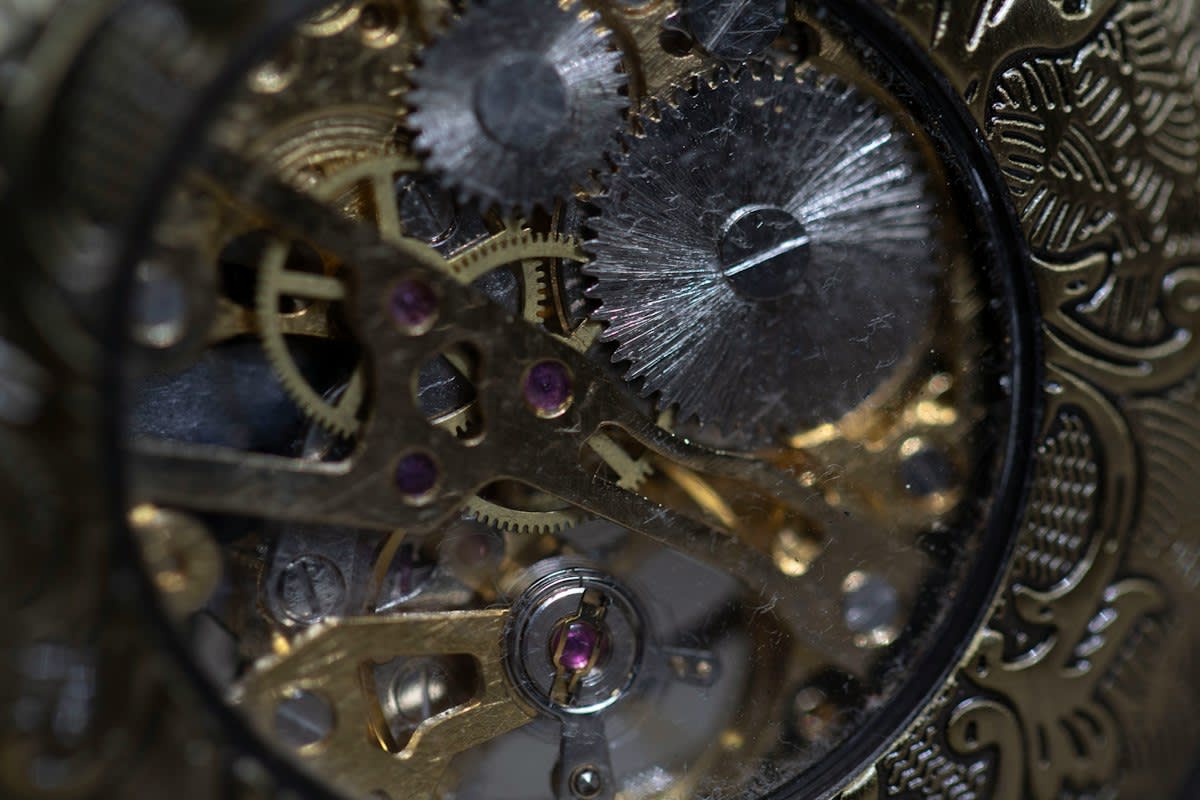
The Death of the Seamless
Convenience is now cheap. While the digital economy spent a decade optimizing for the removal of every single hurdle, a new class of consumers now views the absence of effort as a mark of the mundane. Struggle has become a luxury. Why do we pay more? When the path to acquisition is too smooth, the brain fails to register the value of the prize. We want the hunt.
Japan leads this. In Tokyo, the ritual of pour-over coffee involves a precise temperature and a slow, circular pour that can take ten minutes for a single cup. Efficiency is the enemy. Slowly, the barista monitors the bloom of the grounds to ensure every note of the bean is captured. The wait is the point. This devotion to the process over the product transforms a caffeine hit into a meditative event.
"The shift we are seeing is a move from 'frictionless' consumption to 'meaningful resistance.' When everything is instant, the only way to signal status is through the ownership of time and the willingness to endure an inconvenient process."— Sarah Jenkins, Culture Strategist at The Future Laboratory
Demand is spiking. Six months ago, the market focused on AI-driven hyper-efficiency to shave seconds off the user journey. Now, luxury brands are intentionally adding steps to their acquisition funnels to create a sense of earned access. The delta is clear. By increasing the effort required to buy, brands are inflating the perceived value of the object. Difficulty is the new filter.
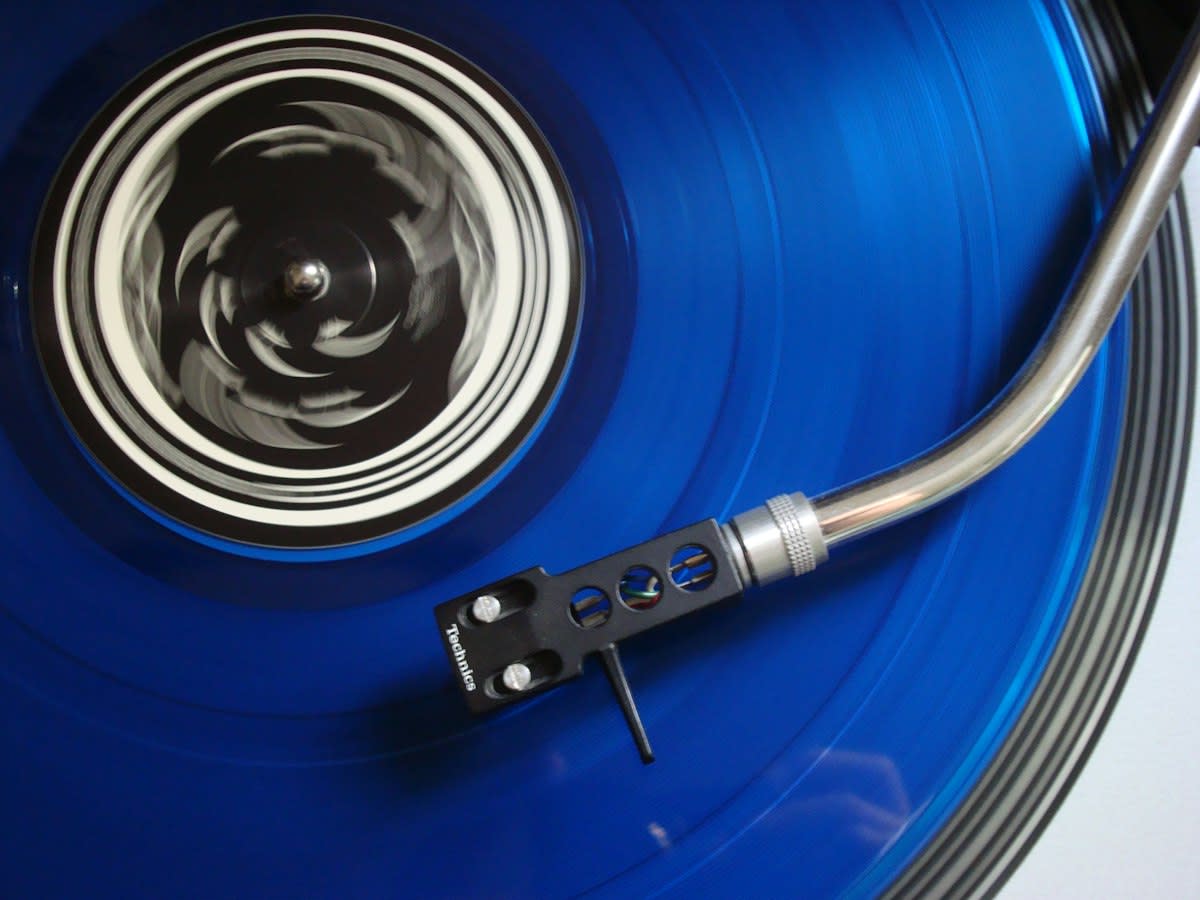
Vinyl proves this. Physical records grew by nearly 10 percent in 2023, despite the absolute ease of streaming (Source: RIAA, 2023). Flipping a disc is a chore. Because the user must physically interact with the medium, the music acquires a weight that a digital file lacks. It feels real. The act of searching through a crate of records provides a dopamine hit that an algorithm cannot replicate.
| Metric | The Convenience Model | The Prestige Model |
|---|---|---|
| Acquisition Time | Instant/One-Click | Curated Delay |
| User Effort | Minimized | Maximized |
| Perceived Value | Commodity | Artifact |
| Status Signal | Efficiency | Exclusivity |
I have seen this. In luxury boardrooms, the UX designers scream for a three-click checkout to maximize conversion rates, while the Creative Directors demand a hidden portal and a manual application process. The designers cite data. Passionately, the directors argue that a lack of resistance kills the desire for the product. This is a war. It is a collision between the logic of software and the logic of the status symbol.
France masters this. The world of Haute Couture relies on a series of appointments and fittings that can stretch over months. Speed is considered vulgar. By forcing the client to travel to a specific atelier in Paris, the brand ensures that the garment is not just clothing, but a trophy of endurance. The garment becomes a story. The inconvenience is the primary ingredient of the prestige.
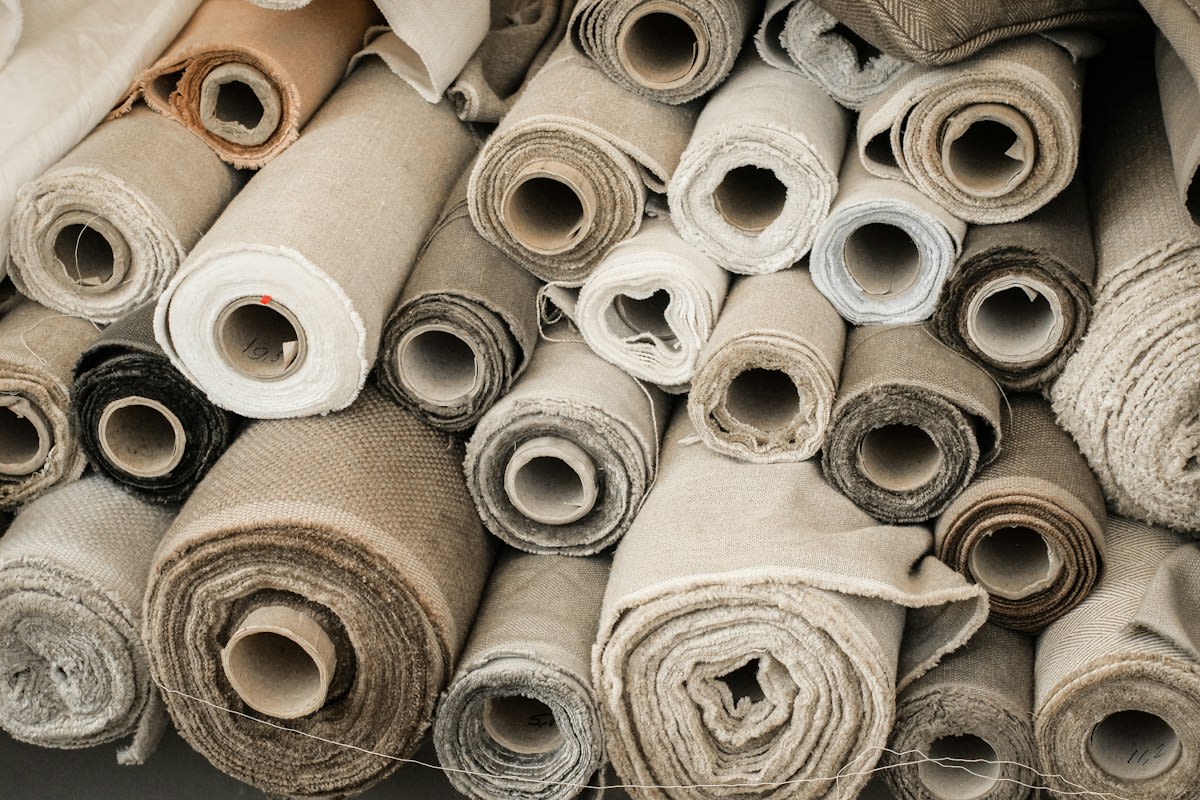
India offers insight. Hand-loomed textiles, such as the Jamdani, require weeks of manual labor and a tolerance for imperfection. Machines are too fast. Because the weaver must manually insert the weft thread, the resulting fabric possesses a texture that is impossible to automate. This slowness is the selling point. Collectors pay a premium for the evidence of human struggle.
Waitlists are weapons. For an Hermès Birkin bag, the wait can last years, often requiring a history of previous purchases before the item is even offered (Source: Vogue Business, 2023). Access is gated. When a product is unavailable on demand, the owner is not just buying leather, but the social capital of having survived the wait. This is the ultimate flex. The frustration of the queue is the fuel for the desire.
Fact-Check & Accuracy Note
Verifiable data on the 'Prestige of Inconvenience' is often found in studies of Veblen goods—items for which demand increases as the price rises. Academic debate continues regarding whether this is a psychological response to scarcity or a sociological tool for class stratification. Sources include the RIAA 2023 report and LVMH annual growth metrics.
Watches follow suit. Mechanical watches have seen a resurgence in the luxury sector, with a significant increase in demand for manual-wind movements (Source: Morgan Stanley, 2023). Batteries are boring. The need to wind a watch daily creates a physical bond between the object and the owner. It is a tiny, daily chore. This ritual ensures the object remains present in the owner's consciousness.
Travel is changing. Slow travel, which prioritizes trains and long-stay immersions over rapid flights, has seen a booking increase of 15 percent in the high-net-worth segment (Source: Virtuoso, 2024). Speed erases context. By choosing the longer route, the traveler signals that they possess the rarest commodity of all: time. The journey is the reward. Efficiency is now the mark of the employee, not the employer.
Editorial Note
Editorial Note: This report avoids the common narrative of a 'digital detox' crisis. Instead, it frames the trend as an adaptive strategy by luxury brands to maintain value in an age of infinite digital abundance.
The fray continues. As AI begins to automate the creative process, the value of the 'human error' and the 'slow build' will only increase. Effort is the new gold. We are moving toward a world where the most expensive products are those that are the hardest to get, the hardest to use, and the slowest to arrive. The grip of the seamless is breaking. We are finally ready to embrace the struggle.